Turning Challenges into Champions’ Moments.
Sport can connect people, break stereotype and influence the perception of human potential in society. The Paralympic sport powerfully illustrates this with athletes who are competing at the highest level in a variety of sports. They are judged by their ability, preparation, strategy and performance, not by any stereotype of disability.
The Paralympic movement has become a huge international sporting forum. It offers sporting opportunities at the elite level for athletes with qualifying impairments and promotes increased accessibility, representation and participation in sport globally.
Understands the structure and purpose of the Paralympic Movement
The Paralympic Games is an international multi-sport competition for athletes who have a legally recognized disability. The movement is inclusive of athletes who have physical, visual and intellectual disabilities in sports that are in accordance with the specific eligibility criteria.
The modern Paralympic movement emerged following the Second World War when the use of sport was considered to be a core component of the rehabilitation programme for injured service personnel. The first Paralympics were held in 1960 in Rome. The event has since grown into the celebration of top athletic feats worldwide.
Breakdown of Barriers - More Than Medals
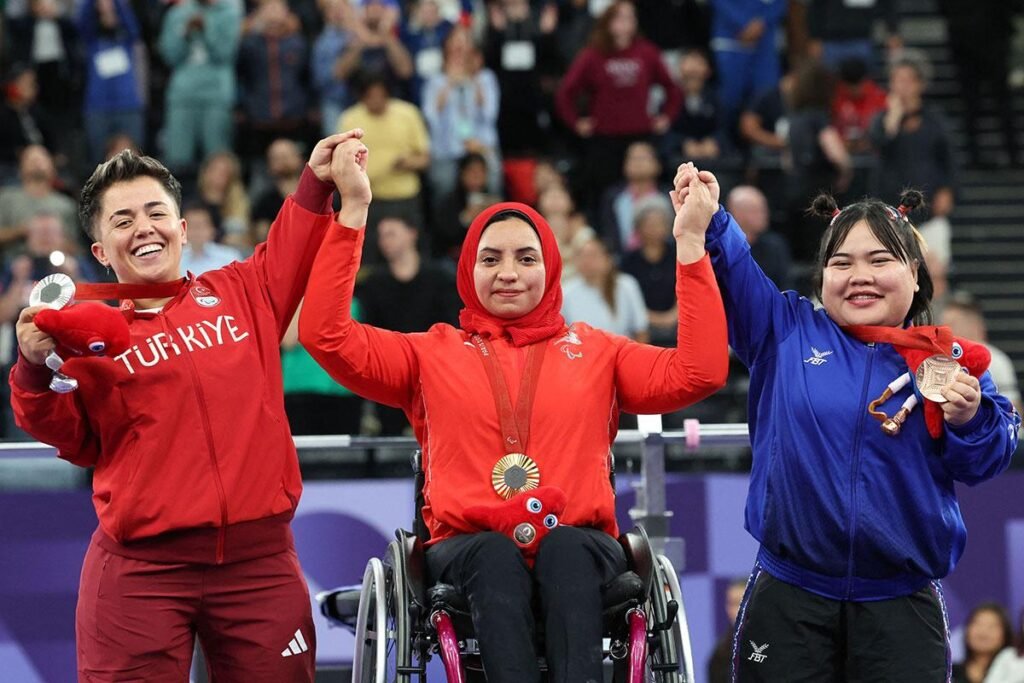
Each competition is a chance to break stereotypes about disability. Athletes prove that disability is not an excuse for not having sporting dreams, skills or potential.
They also highlight issues outside of the stadium, such as poor accessibility of public spaces, lack of sports facilities, and inequitable funding, as well as the lack of opportunities for young disabled participants. While visibility is important, real change will be achieved through day-to-day actions.
Sports that have caught the world's eye
The Paralympic sport is an umbrella for multiple sports—all having different techniques, rules and requirements. Athletes develop speed, strength, accuracy, stamina and tactical awareness.
Events consist of wheelchair rugby, para badminton, para cycling, boccia, goalball, para powerlifting and para table tennis. These sports illustrate the diversity of sport in the Paralympics.
Classification and Fair Competition
One of the major aspects of Paralympic sport is classification. Athletes are evaluated according to the rules of the sport to determine the degree of disability to the sport specific activities.
The goal of classification is to develop meaningful competitions by categorising athletes based on relevant activity limitations. The system varies from sport to sport since there are different skills involved when playing athletics, wheelchair basketball, or swimming.
While classification systems are constantly being reviewed and refined in the light of sporting knowledge, this process is vital for competitive fairness.
Technology Behind Athletic Performance
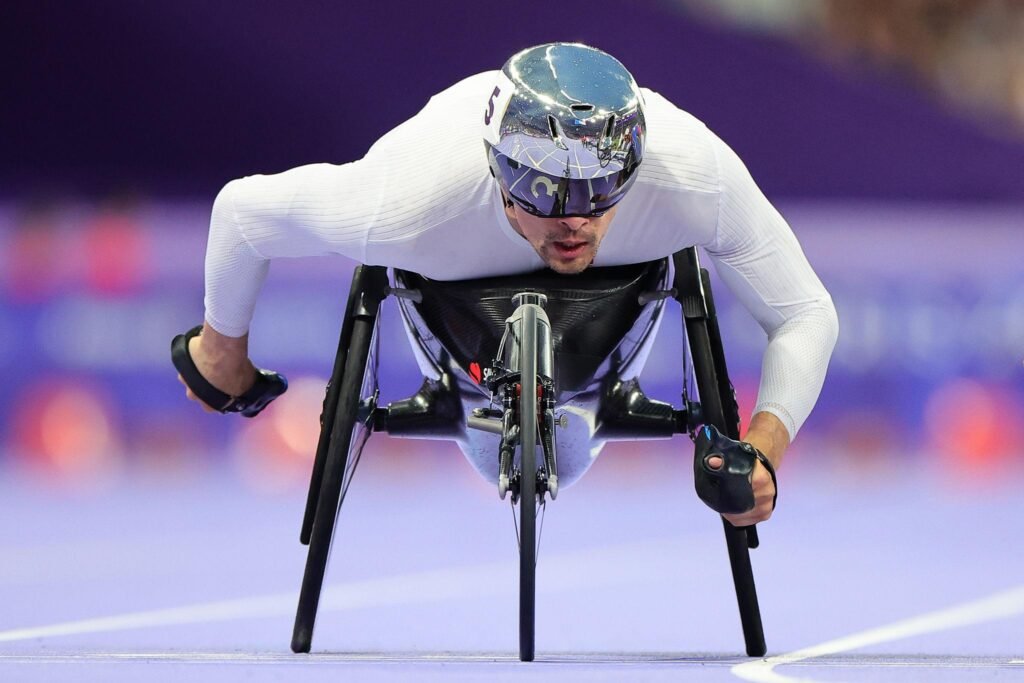
In lots of Paralympic sports, equipment is important. Racing wheelchairs, sport-specific prostheses, adapted bicycles and other specialist equipment developed to meet the needs of individual athletes and specific events.
Coaches, engineers, technicians and sports scientists aim to enhance the efficiency, comfort and performance of athletes. But it can be costly to have the right equipment, which can be a disadvantage for athletes with limited financial support.
One of the key elements to achieving greater inclusion in elite sport is the use of greater access to equipment, maintenance and technical skills.
The Athletes and Their Stories
Every outcome comes with a narrative of training, competing, and failure, followed by personal aspirations. Paralympians have a variety of backgrounds and career entry paths into sport. Many find their calling within rehab programmes, while some take to it in the school, community clubs or established sporting routes.
Sports stars like Tatyana McFadden (wheelchair racing), Ellie Simmonds (para swimming) and Markus Rehm (para athletics) have raised the profile of Paralympic sports through their success.
Their stories can inspire audiences, but also athletes should be recognized as professionals and have their sporting skills treated equally as other top-tier athletes.
Funding, Sponsorship and Professional Opportunities
Coaching, medical support, training facilities, travel and specialist equipment are all needed for elite athletes. These costs may be able to be met through funding by sporting organisations, public programmes and sponsors to enable athletes to compete internationally.
Commercial partnerships also allow brands to promote inclusive sport and reach other audiences. The best relationships are not built on a single promotional campaign, but rather on value-added, long-term athlete development and products that are available to athletes across the country and investment that is sustained over time.
Professional access and equal access to sponsorships are still crucial to developing competitive paths at varying levels of income and across various regions.
Inclusion Beyond the Stadium
Paralympic sports can have much more influence than winning a medal. Sporting events can prompt schools, clubs, public authorities and businesses to rethink their approach to access to facilities and participation of people with disabilities in the community.
Being able to access entrances, have reliable transport, inclusive coaching, changing rooms that are suitable and have affordable equipment can make or break someone being able to access sport.
A large competition can generate awareness, but the follow-up is important to ensure that facilities and opportunities are accessible after the competition.
Media Coverage and Global Recognition

Paralympic sport is more visible to the international community thanks to television, online publications and social media. Highlight videos, interviews and behind-the-scenes footage can engage fans and give them insight into what it takes to be a top athlete in a specific event.
However, there are still relative disparities in the visibility of sport, country, and competition. Sometimes the coverage is too much on personal problems rather than tactics, records and technical excellence.
Good sports journalism makes Paralympians the athletes they are, and their performance, training, and competition is given the respect it deserves.
Contradicts the Paralympic Movement Still Faces
There have been some improvements, there are still a lot of problems. These range from unequal funding, restricted grassroots programmes, inaccessible infrastructure, varying media coverage, to a lack of inclusive coaches.
Travel may also be an obstacle for athletes, and there can be equipment expenses as well as restricted training time and opportunities in proper settings. Long before athletes reach the pinnacle of competition, social stigma can make participation more challenging in some places.
These challenges need to be met through cooperation of governments, sports organisations, schools, sponsors, broadcasters and local communities. Opportunity from the outset, inclusion grows.
The Next Generation of Paralympic Sport
Early identification of talent and nurturing athletes through their development is the key to the future of Paralympic sport. More young people should be able to have the opportunity to experience competition through school, accessible sports programmes and community clubs.
Fostering greater interest and involvement can begin to change the early stages of participation through better coaching, available venues, reliable equipment, and increased media exposure. Countries with lower resources can also benefit from sports pathways with the help of international cooperation.
Its aim is not only to build a team of future champions, but to build a sporting culture that allows disabled people to be involved, compete and progress at all levels.
Conclusion: Redefining What Is Possible
The Paralympic sport demonstrates the possibilities of talent, preparation and determination combined with opportunity. They are athletes that are engaged in competition for records, titles and medals, as well as challenging assumptions about disability and access.
But their achievements in themselves are sporting and are deserving of recognition. Meanwhile, the broader movement reminds communities that inclusion is not just a matter of admiration, it’s about a community having access to facilities, fair resources, equal opportunities and meaningful representation.
However, the legacy of Paralympic sport will also judged not only by the performances at international events but by the number of people who can participate in sport and follow their dreams without unhelpful barriers.