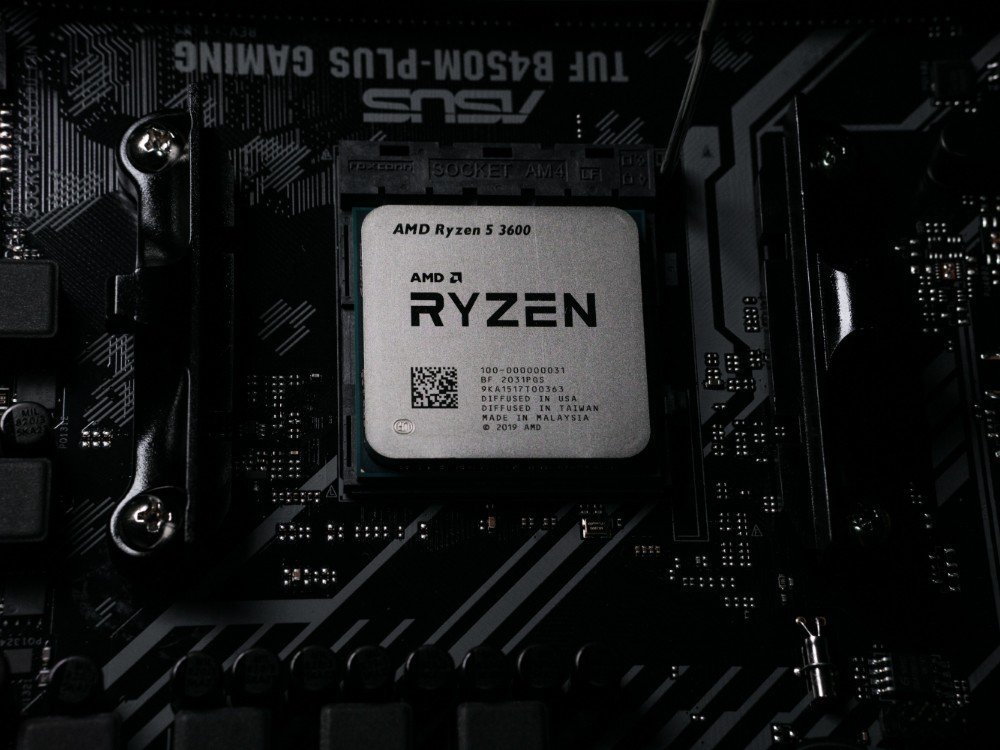
Chip Supply Constraints Could Disrupt Holiday Demand.
Why semiconductor supply constraints can put pressure on PC makers, retailers and shoppers just as seasonal demand begins to rise.
As the festive shopping season approaches, computer manufacturers face a familiar challenge: the availability of the tiny components that power modern devices. A shortage of key chips can complicate production plans, limit the number of computers available to retailers and make it harder for businesses to match popular products with consumer demand.
The impact depends on which components are constrained, how much inventory manufacturers already hold and how quickly suppliers can respond. A supply squeeze does not automatically mean every computer will become more expensive or disappear from shelves. It can, however, make the market less predictable at a time when buyers are actively comparing deals and planning purchases.
Why computer makers depend on a steady chip supply
A modern PC is built from a network of components, including processors, memory, storage controllers, power-management chips and other specialised semiconductors. These parts are not always interchangeable. A manufacturer may have enough processors to assemble one model but still be unable to complete another because a different component is missing.
Chip production is also unusually difficult to scale quickly. Semiconductor manufacturing requires specialised facilities, highly controlled processes and substantial investment. Even when a company decides to increase output, additional capacity and qualified components can take time to reach the wider market.
Beyond the fabrication plant, chips must be packaged, tested, shipped and integrated into finished products. A delay at any point can ripple through a computer maker’s production schedule.
Why the festive season raises the stakes
Seasonal shopping periods bring a concentration of promotions, gift purchases and business spending. Retailers plan inventory months ahead, while manufacturers try to balance production with forecasts for laptops, desktops and gaming PCs. When supply is tight, a small forecasting error can leave stores with too much of one configuration and too little of another.
Computer firms may respond by prioritising their most popular products, adjusting launch schedules or offering fewer configurations. Retailers, meanwhile, may have to update delivery estimates or shift promotional budgets toward products they can reliably obtain. These are possible responses to supply pressure, not proof that every market is experiencing the same shortage.
Could prices rise for computers and laptops?
Price changes depend on several forces at once. If component costs rise and supply remains limited, manufacturers may face pressure on their margins. If demand is strong and alternatives are scarce, some of that pressure can reach consumers. But competition, existing stock, currency movements and retailer discount strategies can offset or delay price increases.
That is why a shortage should not be treated as a guarantee of higher prices across the board. Some models may become harder to find, while others remain widely available or receive seasonal discounts. Buyers should compare the total value of a device rather than assuming that every price will move in the same direction.

Which parts of the computer market could feel it first?
Laptops and mainstream PCs rely on carefully coordinated component orders and high-volume production. When a widely used part is delayed, manufacturers may need to adjust their production schedules or focus on models for which components are more readily available.
Gaming computers and high-performance systems require several specialised components, and buyers often look for specific combinations of processors, graphics capabilities, memory and storage. A shortage of even one component can limit the availability of complete systems within certain price ranges, reducing choices for customers.
Businesses and educational institutions often purchase computers in large batches and require consistent configurations across their devices. Longer delivery times can disrupt equipment replacement plans, employee onboarding and scheduled deployments, even when individual computers remain available to retail customers.
How retailers and manufacturers can respond
Companies can improve resilience by diversifying suppliers where possible, maintaining more realistic inventory buffers and sharing demand forecasts earlier across the supply chain. They may also qualify alternative components, though engineering, compatibility and certification requirements mean substitutions are not always simple.
Retailers can help customers by showing accurate stock information, communicating delivery windows clearly and offering comparable alternatives. Transparent updates are particularly important during major sales periods, when a promotion is of little value if the advertised device cannot be delivered on time.
What shoppers can do before buying
Consumers do not need to rush into buying a computer simply because of headlines about chip shortages. To make seasonal shopping easier, they should first identify their essential performance requirements and distinguish them from optional features. Comparing similar models based on processor generation, memory, storage, display quality and warranty can help them choose the best value rather than relying on model names alone.
Buyers should also verify product availability and delivery dates before placing an order, as a listed item may not be ready to ship immediately. Keeping alternative models and manufacturers in mind can make it easier to find a comparable computer if the preferred option is unavailable. Before purchasing a substitute or placing a pre-order, consumers should carefully review the return policy and understand the applicable conditions.
The outlook: resilience matters as much as capacity
Chip supply is shaped by a broad set of factors, from manufacturing capacity and logistics to demand from data centres, smartphones, vehicles and industrial equipment. These competing needs can change the availability of particular components over time. The situation also varies by chip type, supplier and region, making broad predictions difficult.
For computer companies, the festive season will test how well they forecast demand, manage inventory and communicate with customers. For shoppers, the most useful approach is to watch actual availability and pricing for the specific device they want rather than treating a global shortage headline as a universal market forecast.
Ultimately, semiconductor supply is not simply a factory issue. It affects product planning, retail strategy and consumer choice across the technology market. The companies best prepared to adapt are likely to be those that build flexibility into their supply chains—and give customers clear information when conditions change.