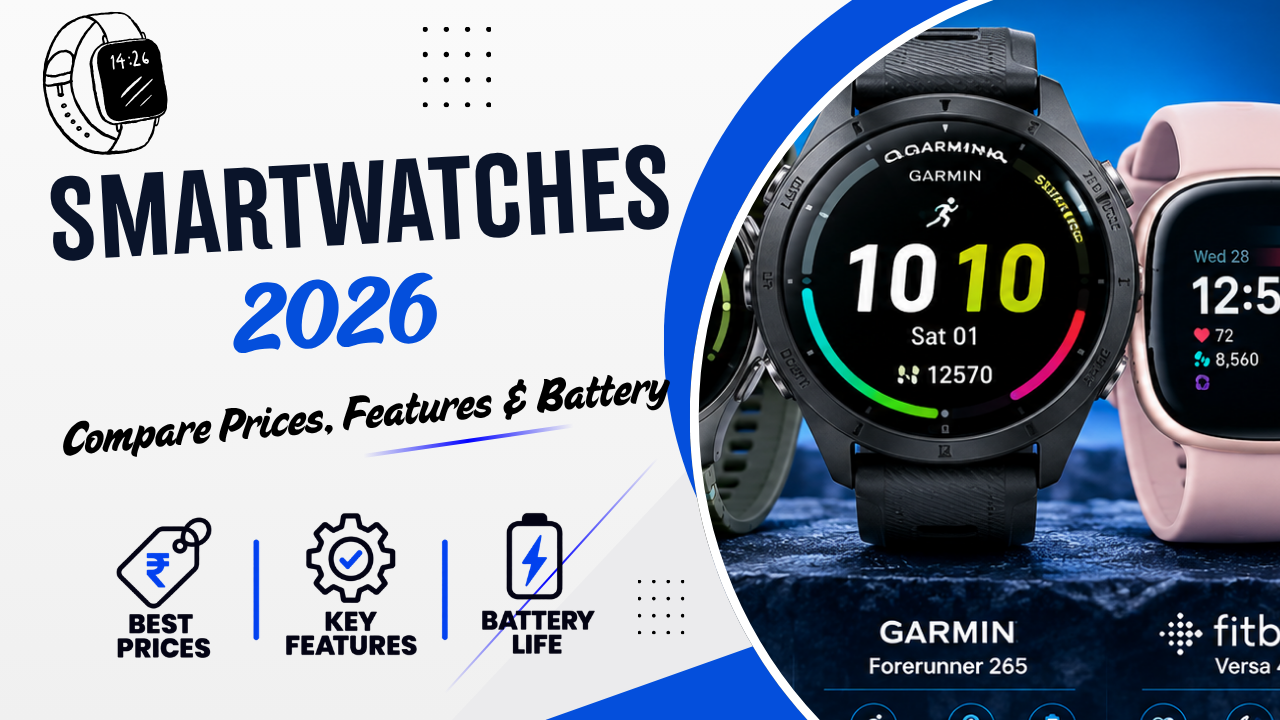
Find the perfect smartwatch for your lifestyle.
When it comes to smartwatches in 2026, selecting the right device is essential.
Smartwatches can do much more than simply tell the time. They track daily activity, record workouts, display messages, and help users monitor their health. For many people, a smartwatch is a convenient extension of their smartphone. For others, it is an important tool for fitness, outdoor activities, and everyday life.
The smartwatch market now offers a wide range of options for different lifestyles. Apple, Samsung, Garmin, OnePlus, Google, and Amazfit each take a different approach to design, performance, and connectivity. The challenge is no longer finding a watch with enough features, but identifying one that offers the features you actually need.
The Smartwatch Is a New Way to Stay Connected with the World
Smartwatches have revolutionised the way people interact with technology every day. Instead of reaching for a phone to check notifications, read messages, manage calls, or access selected applications, users can perform these tasks with a quick glance at their wrists. This makes everyday digital activities more convenient, especially for people who are frequently on the move.
Smartwatches have also moved beyond communication. Activity tracking, sleep monitoring, and workout analysis have made them useful for people who want to understand their daily routines. However, their usefulness depends on the accuracy of the measurements and whether users can apply the information to make meaningful changes.
The Next Generation Focuses on Health and Fitness
Smartwatches have become increasingly important for health and fitness. Heart-rate monitoring, sleep tracking, and activity measurements can help users identify patterns in their routines. Workout modes and training statistics also provide additional information about performance and progress for people who exercise regularly.
However, more data does not always mean better results. Different devices use different sensors, measurement methods, and analytical tools. Users should focus on the information that is valuable to them rather than choosing a watch simply because it offers a large number of health features.
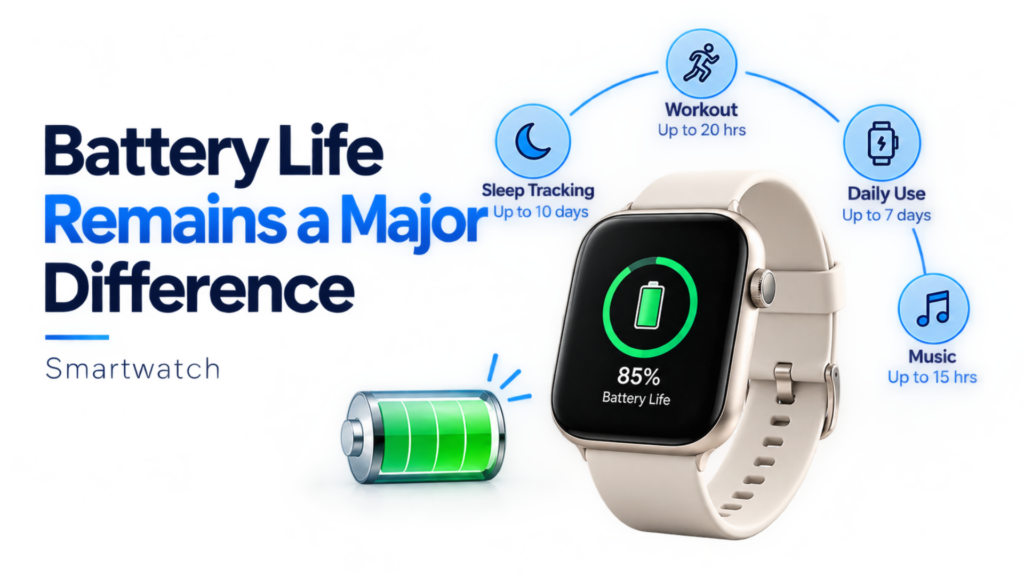
Battery Life Remains a Major Difference
One of the most important differences between smartwatches is how frequently they need to be charged. More advanced devices may require more frequent charging, particularly when GPS, cellular connectivity, or continuous monitoring is used regularly. Other models focus more on battery endurance and may be better suited to people who prefer longer periods between charges.
Battery performance also affects how a watch fits into everyday life. People who want to track their sleep may need to plan charging around their usual routines. For travellers, runners, and outdoor enthusiasts, a reliable battery can be just as important as the display or smart features.
Six Smartwatches to Consider in 2026
The Apple Watch Series 11, Samsung Galaxy Watch 8, Garmin Venu 4, OnePlus Watch 3, Google Pixel Watch 4, and Amazfit Balance 2 represent different approaches to smartwatch design. Some focus on smartphone integration, while others appeal to users who prioritise training, fitness tracking, or battery life.
The Apple Watch Series 11 is particularly interesting for iPhone owners who want connected everyday features and health monitoring. The Samsung Galaxy Watch 8 and Google Pixel Watch 4 are options for users interested in the Android and Google ecosystems. The Garmin Venu 4 may suit fitness enthusiasts, while the OnePlus Watch 3 and Amazfit Balance 2 are worth considering for users who value battery endurance alongside smartwatch functionality.
Why Smartphone Compatibility Matters
A smartwatch is not a standalone device. Its usefulness often depends on the smartphone it connects to, the applications it supports, and the services available in the user’s region. Certain features may only work with specific operating systems or compatible devices, making a watch less practical than it initially appears.
This is why compatibility should be checked before comparing specifications. iPhone users may prefer the integration offered by Apple, while Android users should examine the options available for their particular smartphones. A watch that works smoothly with existing devices can provide a better everyday experience than one with numerous features but limited compatibility.
GPS and Outdoor Features Open New Possibilities
GPS is an important feature for runners, cyclists, and people who enjoy outdoor activities. On compatible smartwatches, it can record routes, estimate distances, and track movement during exercise. Some models also offer additional navigation features that can be useful when exploring unfamiliar places.
However, GPS accuracy depends on several factors, including the device, the surrounding environment, and the positioning technology used. Dual-band GPS can improve positioning accuracy under suitable conditions, but it does not guarantee perfect results everywhere. When choosing a smartwatch for outdoor use, it is important to consider real-world performance rather than relying solely on technical specifications.
More Features Do Not Always Mean a Better Smartwatch
Smartwatch manufacturers continue to introduce new applications, sensors, displays, and connectivity options. These improvements create more possibilities but can also make choosing the right device more complicated. Someone who mainly wants notifications and basic activity tracking may not benefit from the same features as a dedicated runner or a user interested in detailed health measurements.
The most useful smartwatch is the one that fits its owner’s lifestyle. Comfort, ease of use, battery life, and software support can have a greater impact on long-term satisfaction than an impressive specification sheet. Understanding these priorities makes it easier to distinguish essential features from unnecessary extras.
What Buyers Should Consider Before Making a Purchase
Before buying a smartwatch, customers should consider smartphone compatibility, battery life, fitness requirements, and budget. Display quality and comfort are also important, particularly for people who plan to wear their devices throughout the day or overnight. Checking whether essential applications and functions are supported can help prevent disappointment after purchase.
Health measurements deserve special attention. Features such as ECG and blood oxygen estimation may not be available on every model, and their availability can vary by region. Although these tools can provide useful information, they should not replace professional medical advice or testing.
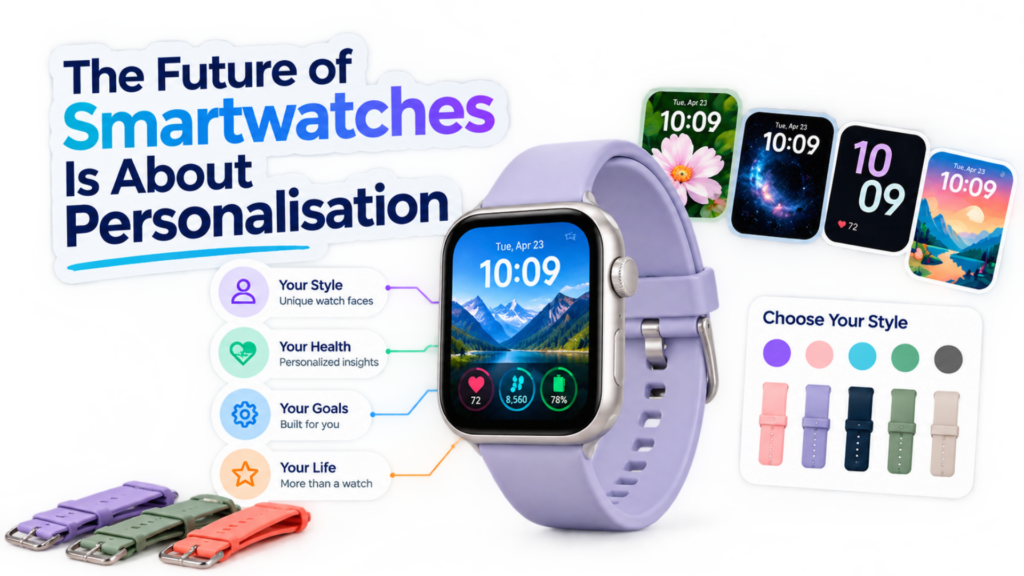
The Future of Smartwatches Is About Personalisation
Smartwatches are becoming increasingly integrated into everyday digital life. Their development is not simply about adding more sensors or making displays brighter. It is also about making information easier to understand, improving connections between devices, and helping users access the features that matter most to them.
As the market continues to develop, battery performance, software integration, fitness analysis, and personalised experiences are likely to remain important considerations. The challenge for manufacturers is to combine these capabilities without making devices unnecessarily complicated or uncomfortable to wear.
Choosing the Right Smartwatch for Your Lifestyle
There is no single smartwatch that suits everyone. The Apple Watch Series 11 may appeal to iPhone users, while the Samsung Galaxy Watch 8 and Google Pixel Watch 4 offer alternatives for Android users. The Garmin Venu 4 places greater emphasis on fitness and training, while the OnePlus Watch 3 and Amazfit Balance 2 are worth considering for people who value battery endurance.
The best decision comes from understanding personal priorities before comparing models. By considering compatibility, health and fitness features, GPS, battery life, comfort, and price, buyers can find a smartwatch that fits naturally into their daily routines rather than paying for features they rarely use.