Google’s Self-Designed Tensor Chips Will Power Its Next Generation of AI
Google is taking another major step in artificial intelligence by developing its own specialized chips to support increasingly powerful AI systems. As demand for tools such as Gemini continues to grow, the company is investing in custom hardware designed to make AI faster, more efficient, and easier to scale.
These processors, known as Tensor Processing Units (TPUs), are an important part of Google’s long-term strategy. Instead of relying entirely on chips developed by other manufacturers, Google is designing hardware specifically for the demanding workloads behind modern artificial intelligence.
Why Google Is Developing Its Own AI Chips
Artificial intelligence requires enormous computing power. Training large AI models and responding to millions of user requests can consume significant amounts of energy and computing resources.
Google’s custom-designed TPUs are built to handle these tasks more efficiently. By developing both hardware and software, the company can optimize how its AI models operate and make better use of its data centers.
This approach also gives Google greater control over its technology infrastructure. As competition intensifies between major technology companies, custom processors are becoming increasingly important for managing costs, improving performance, and reducing dependence on external hardware suppliers.

Introducing Google’s Next-Generation Tensor Chips
At its Cloud Next event in April 2026, Google introduced its eighth-generation TPUs, featuring two specialized processors: TPU 8t and TPU 8i. Each chip is designed for a different stage of AI computing.
The TPU 8t focuses on training large AI models. It is designed to handle demanding calculations and support massive computing systems, helping developers build advanced AI technologies.
The TPU 8i, meanwhile, is optimized for inference. This is the process that allows an already-trained AI model to generate answers, interpret information, and complete tasks when someone uses it.
Google says the new generation offers substantial improvements in computing performance and energy efficiency compared with earlier systems. These developments could help support more complex AI applications while reducing the resources required to operate them.
What This Means for Gemini and AI Users
Google’s investment in custom chips is closely connected to its ambition to improve AI services, including Gemini.
As AI assistants become capable of handling more complicated requests, they need to process information quickly and reliably. Future AI tools may increasingly manage multi-step tasks, assist with research, help developers write code, and automate certain business activities.
Specialized chips can help make these experiences more responsive by reducing delays and supporting larger workloads.
Google’s TPU technology also plays an important role in Google Cloud. Businesses and developers can use Google’s computing infrastructure to train and operate AI models without building their own large-scale data centers.
However, faster hardware alone does not guarantee better AI results. Software improvements, model design, data quality, and safety measures remain equally important.
Competition in the AI Chip Market Is Growing
Google is not alone in developing its own processors. Microsoft and other major technology companies are also investing in custom AI hardware to support their cloud platforms and AI services.
Nvidia remains a major supplier of AI computing hardware, but the growing popularity of in-house chips reflects a wider industry shift. Technology companies increasingly want processors tailored to their specific needs rather than relying exclusively on general-purpose solutions.
For Google, this strategy could provide a competitive advantage by connecting its AI models, software, cloud services, and hardware into a more integrated system.
Nevertheless, manufacturing advanced chips at scale remains challenging. High production costs, supply-chain limitations, and rising electricity demand will continue to influence how quickly companies can expand their AI infrastructure.
What Comes Next for Google’s AI Technology?
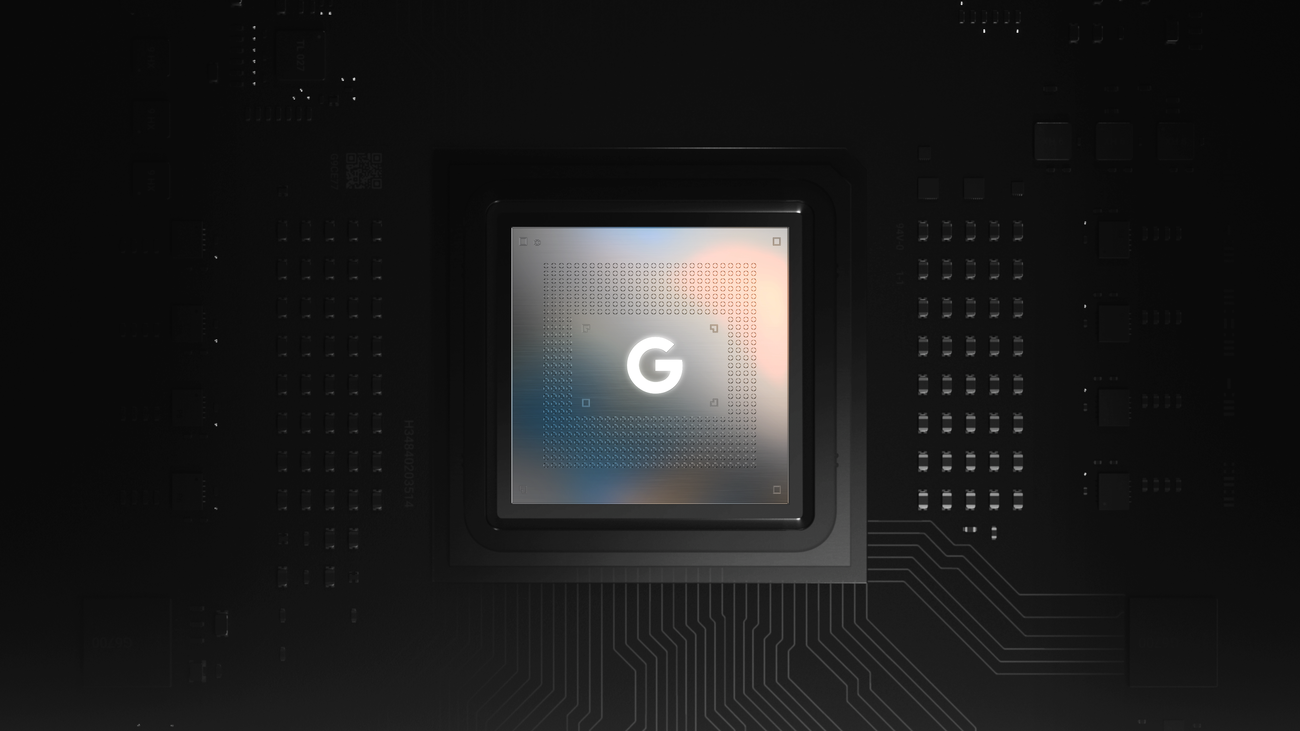
Google’s custom Tensor chips demonstrate how the future of artificial intelligence depends on more than software alone. Behind every sophisticated AI assistant is a network of processors, data centers, cooling systems, and energy infrastructure.
As Google continues developing specialized hardware, its goal is to support increasingly capable AI systems while improving efficiency.
The broader impact will depend on how successfully these chips translate technical improvements into useful products for consumers and businesses. For now, Google’s latest TPU generation highlights a clear direction for the industry: companies are building their own computing foundations to compete in the next phase of artificial intelligence.