How a Chinese-Made Toy Gets to a US Retailer
Walk into almost any toy store in the United States, and there is a good chance you will find toys carrying the familiar label “Made in China.” From plastic playsets to educational games and cuddly toys, Chinese factories continue to play a major role in supplying the American toy market.
According to figures cited in industry reports, China accounted for 78.3% of US toy imports in 2024. The value of toys imported from China reached approximately $9.8 billion last year, highlighting how important the country remains to the global toy supply chain.
But how does a toy travel from a factory in China to a shelf in an American store? And how much of the money customers spend actually reaches the manufacturer?
Inside China's Toy Manufacturing Industry
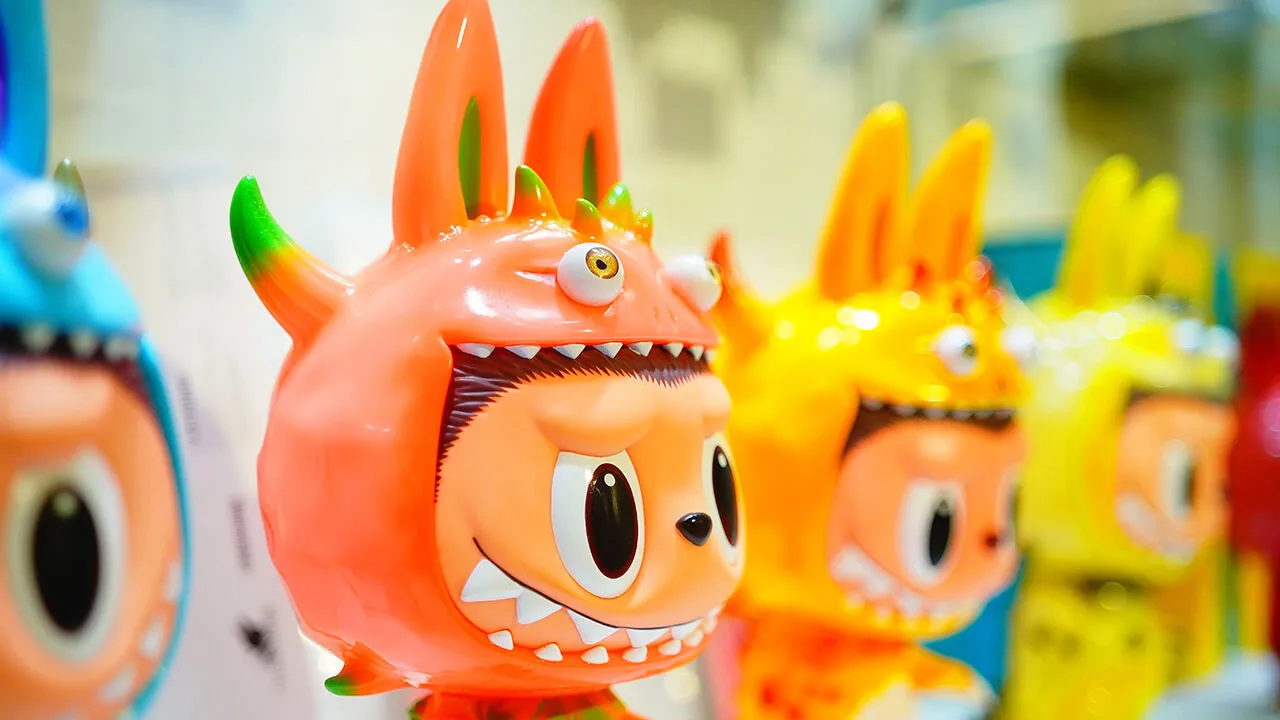
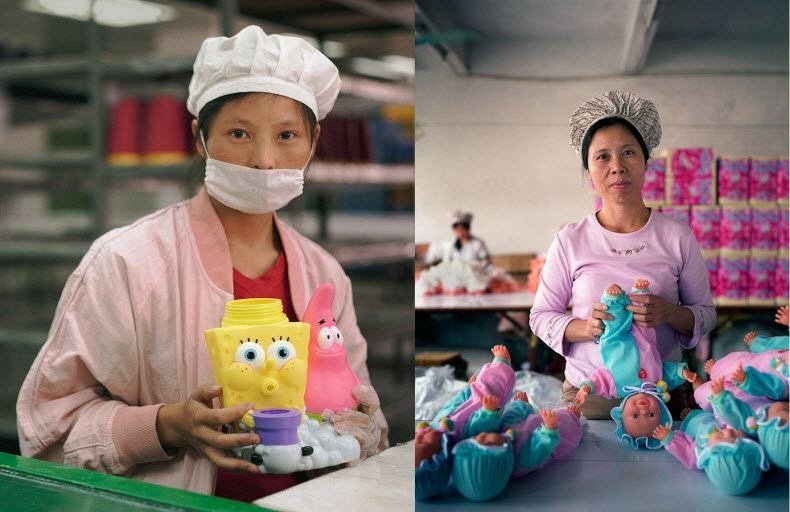
Guangdong province in southern China is one of the world’s major toy manufacturing centres. In cities such as Dongguan, factories produce millions of toys for international brands and retailers.
The process usually begins with a design provided by a toy company. Manufacturers create prototypes, test different versions and develop the moulds needed to produce plastic components.
Getting a toy ready for mass production can take one to two years, particularly when customers request repeated design changes. Once the final design receives approval, mould production may take around a month, followed by several months of manufacturing.
One Chinese manufacturer, Mihox, reportedly produces approximately 55 million toys annually for the American market.
Despite the large production volumes, factory owners receive only a small share of the final retail price. For a toy selling for $30 in the US, the manufacturing cost may be around $6. This amount must cover materials, workers’ wages, production expenses and the factory’s profit.
Shipping Toys Across the Pacific
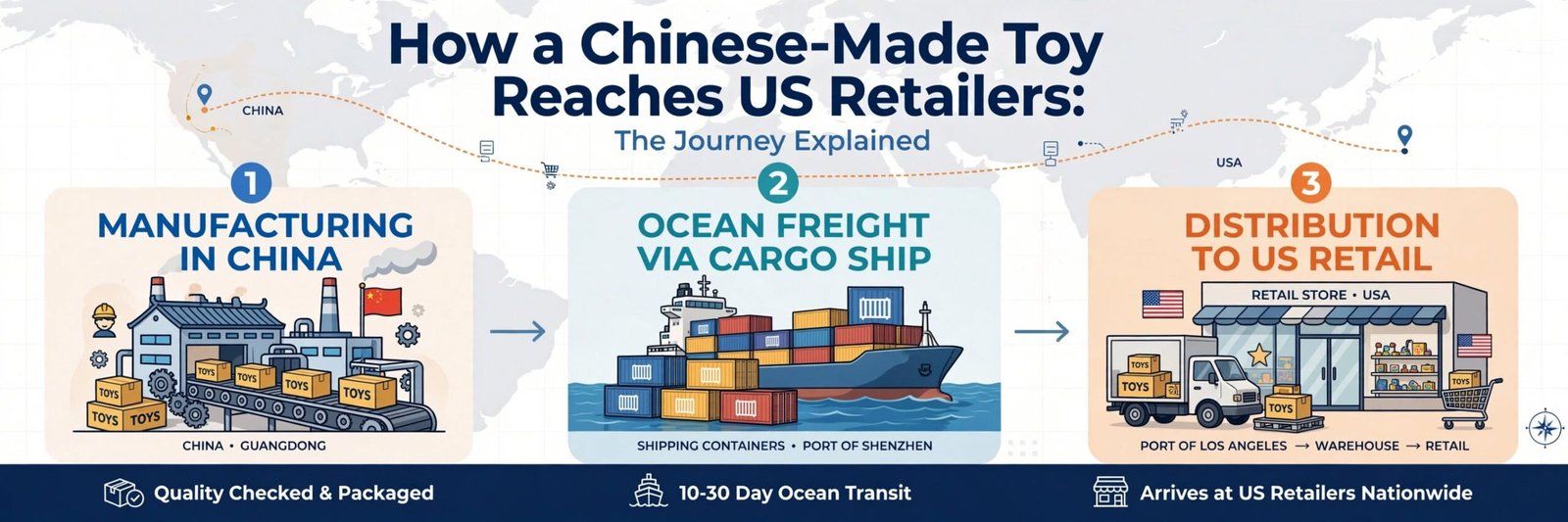
After production, toys are transported by truck to major Chinese ports, including Shenzhen. From there, they are loaded into shipping containers and sent overseas.
The journey to the US West Coast typically takes around 15 days by sea, while shipments to the East Coast can take 25 to 30 days, according to logistics industry estimates.
Shipping, insurance and related transportation expenses can add considerably to the overall cost. For a toy manufactured for $6, freight costs of approximately 60 cents would bring the combined manufacturing and transportation cost to $6.60.
This is also why toy companies begin preparing for the Christmas shopping season months in advance. Products must leave factories early enough to reach warehouses and stores before demand peaks.
Tariffs Add Another Cost
When Chinese-made toys arrive in the United States, importers may also have to pay tariffs. These charges can increase the cost of bringing products into the country.
Using the 12.5% tariff rate cited in the report, a toy manufactured for $6 would incur a tariff of 75 cents. That brings the combined manufacturing, shipping and tariff cost to approximately $7.35.
However, actual tariff rates can vary depending on the product and the trade rules in effect when the shipment enters the country.
US importers typically pay these duties directly, although businesses may respond by adjusting their prices, margins or sourcing strategies.
Where Does the Remaining Money Go?
For a toy sold at $30, the estimated $7.35 covers manufacturing, shipping and the stated import tariff. The remaining $22.65 does not automatically become profit.
That money must help cover warehousing, distribution, marketing, product development, retailer expenses, employee salaries and other business costs. Retailers and toy brands also need to earn a profit to keep their operations running.
Why China Remains Important?
Although manufacturers in other countries may offer lower labour costs, China benefits from established supplier networks, experienced workers and factories located close to one another. This makes it easier to coordinate different stages of production.
As the Christmas season approaches, these connections help keep toys moving from production lines to store shelves.
The journey of a simple toy reveals how global trade works in practice. Behind every price tag is a complex network of manufacturers, shipping companies, importers and retailers, each contributing to the final product customers take home.