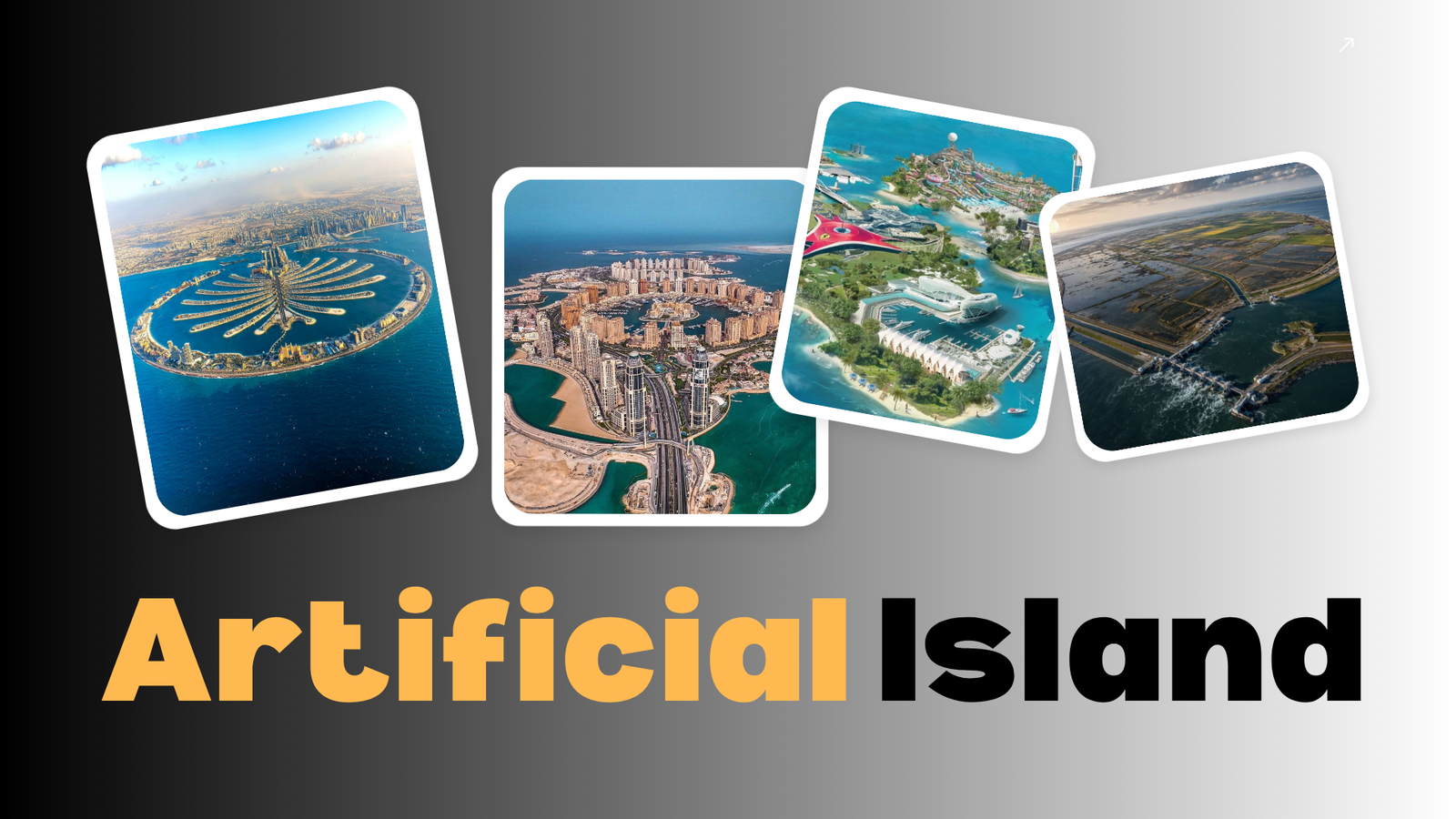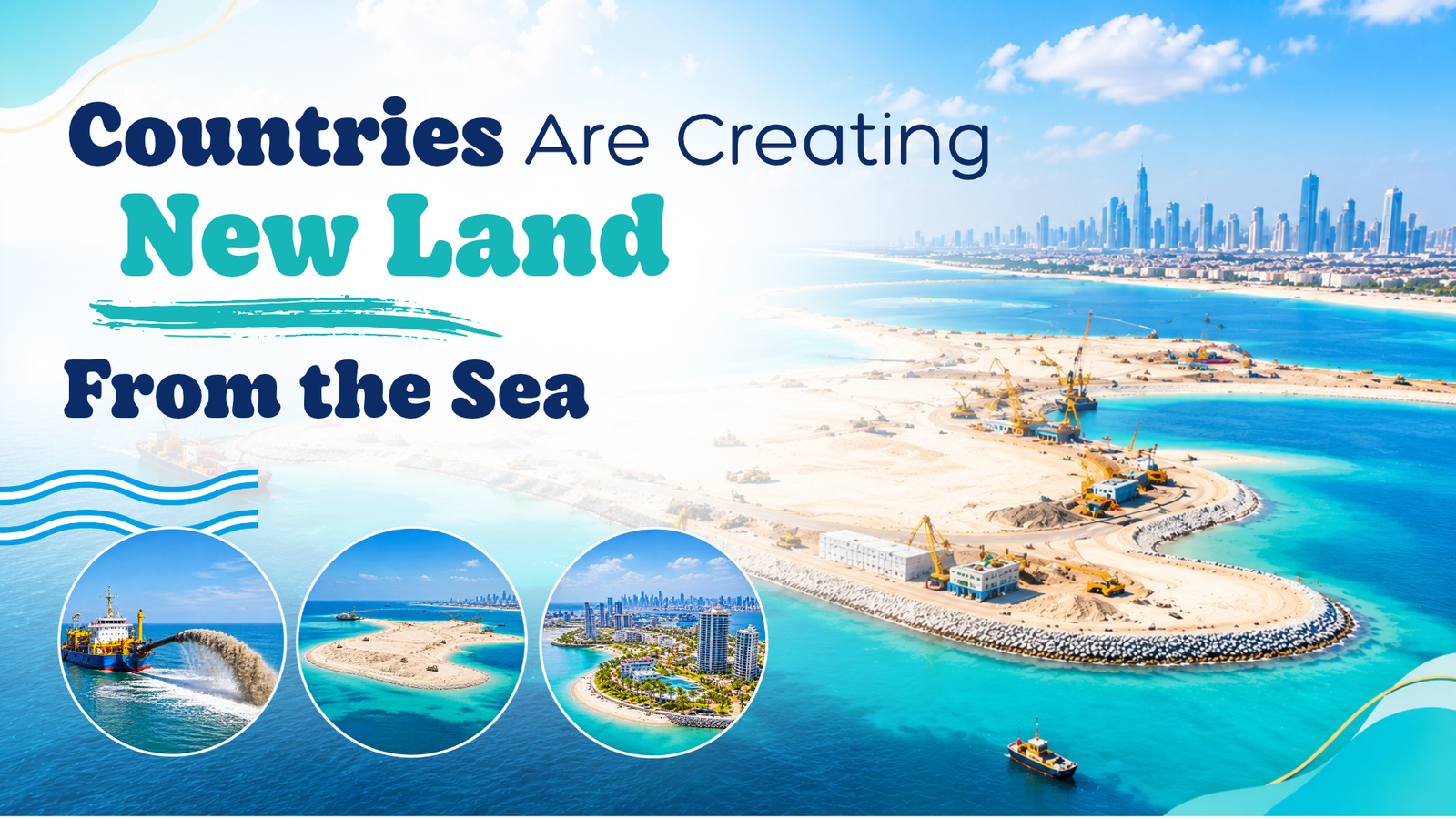
Land reclamation transforms seas into new opportunities.
Worldwide, cities grow as populations grow and a demand for housing, businesses and infrastructure grows with them. To satisfy these needs some countries are resorting to the sea, to gain more land. The oceans along the coasts are getting transformed into places for urban development, transportation and commerce through modern engineering.
Land reclamation is now altering the way countries are designing their cities, and dealing with scarce land. These projects highlight the potential of contemporary construction and the significance of environmental conservation and sustainability, posing questions about the approach to safeguarding the environment while building modern structures.
The Significance of Creating Land From the Sea
Land is one of the valuable resources for economic growth and urban development. Spatial planning, especially with regard to space for housing, roads, airports, and industrial facilities, can be difficult in the case of densely-populated countries. Another alternative is to reclaim land to make useful areas along coasts.
Governments are often investing in such projects to facilitate the growth of their cities and develop transport links and attract business. But the construction of new land is a highly costly endeavor, and needs to be carefully planned and studied before it is undertaken, to ensure that the sea conditions are adequate.
How Land Reclamation Works
A series of engineering processes are involved in the engineering of land out of sea. The location is analysed to check if it is appropriate based on the following: a study of the seabed, water depth, wave movement and environmental conditions. The sea bed can then be raised above sea level using sand, rock and so on.
The reclaimed area is made ready for construction through protective barriers and drainage systems and soil stabilisation techniques. The ground should also be capable of supporting safely structures and infrastructure. The total time of the project varies from a few years to many years depending upon the project size and location.
The Countries That Are Making Great Strides
The government of Singapore has resorted to reclamation of its small territory, and to accommodate housing, ports and industrial development. Dikes, drainage and polders have a long history in the Netherlands as a means for the creation and protection of the land. But the UAE has built man-made islands such as Dubai’s Palm Jumeirah as tourist centres, housing and commercial centres.
The examples show various approaches for addressing needs for development in countries. The techniques are different, but engineering skills, investment and long term planning are all important to the successful project.
Economic and Environmental Advantages and Problems
The reclaiming of land can provide the opportunity for the business, transport systems, tourism and urban development. Ports and industrial facilities can facilitate trade and employment and new residential areas can cater for the increase of population. These types of projects may also bring in investment where there is an actual economic requirement.
But reclamation will have an impact on the marine habitat, disrupt coastal ecosystems and impact water quality. Sediment transport and/or ocean currents can also affect nearby coastlines. These environmental risks need to be considered by governments before approving large-scale developments and any measures put in place to protect the environment.
The Future of Coastal Development
New challenges are arising for reclaimed land due to rise in sea-level, coastal erosion, and other alterations in climate. Newly developed areas need to be safe and useful to the economy and need to be able to withstand the future environmental pressures.
Some risks could be mitigated with modern engineering, better drainage and better coastal protection. These measures, in combination with environmental assessments and sustainable planning, will become crucial in light of the growing number of countries which are now looking to expand their coastline.
Balancing Development With Nature
The creation of new land out of sea provides a chance for countries to overcome land shortage and boost economic development. Engineering solutions have proven to be able to create valuable space for communities and businesses in coastal areas in projects around the world in Asia, Europe and the Middle East.
However, sustainability is key to long-term success, with a focus on balancing development with sustainability and taking environmental responsibility. Taking into account construction expenses, marine ecosystems and climate risks can make informed decisions to decide whether land reclamation is the best method of the future for their country.