Bringing Nations Together Through the Power of Football.
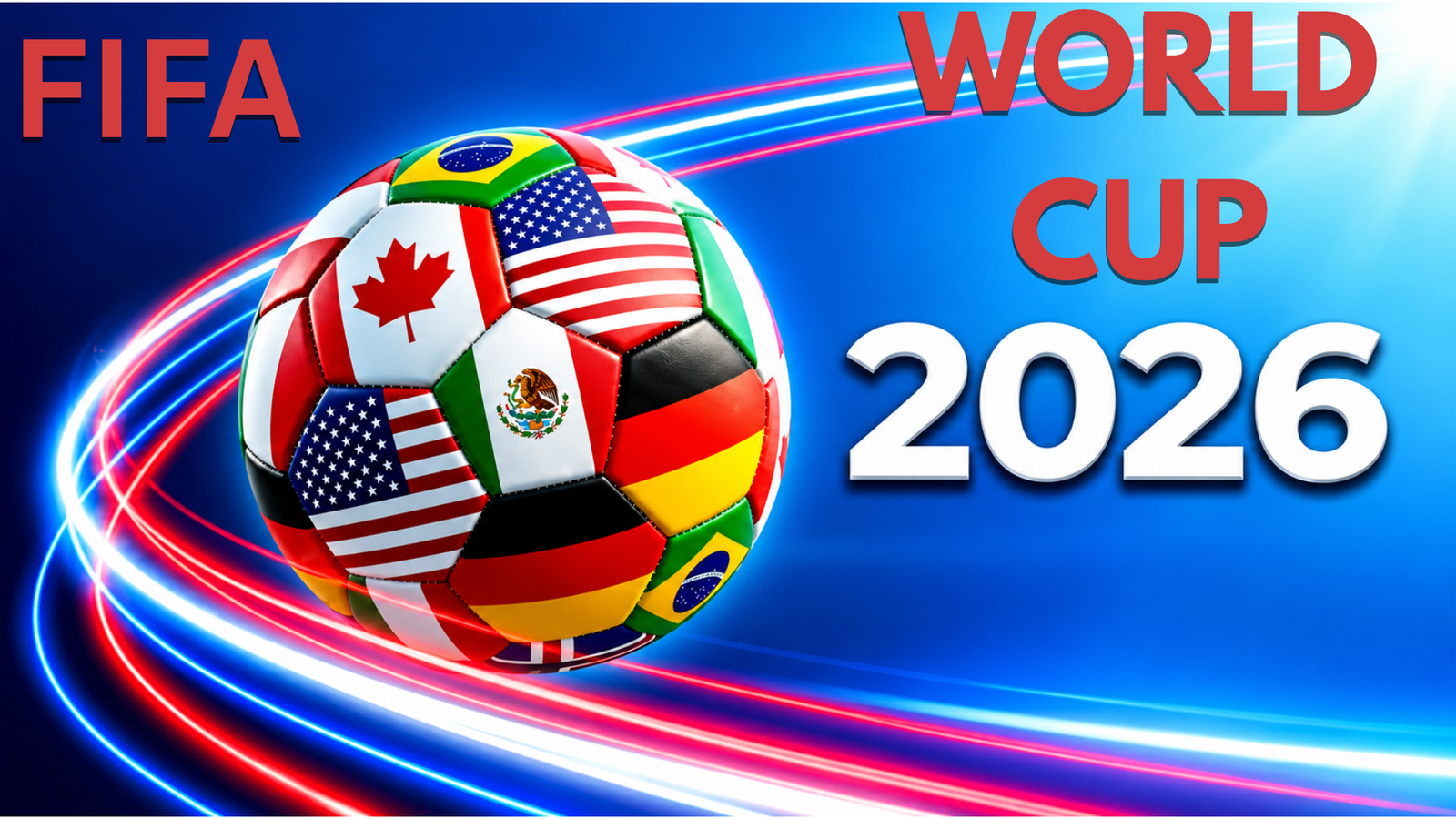
A football match is not the only aspect of the FIFA World Cup. It’s a place for national identity, sporting dreams, travel, business and popular culture. The 2026 edition took that concept to a larger level, moving games to Canada, Mexico and the United States.
The tournament was played from 11 June to 19 July 2026, and featured an expanded knockout stage and a 48 team field. It created an impact on the pace of the competition and provided extra opportunities for more national teams to play on the grandest football stage. The key changes in the format of the tournaments are described in FIFA’s tournament format overview.
1. A larger World Cup alters the game
48 teams participated instead of 32, for the first time. The teams were split into 12 groups of four and the top two of each group and eight of the best third-placed teams went through to the Round of 32. Because of this extra knockout round, the eventual champions would face the double burden of having to win eight matches.
The larger layout resulted in more setups, more action, and more exposure for growing football markets to connect with the rest of the world. It also prioritized squad depth, and the ability to recover and manage a long tournament.
2. One shared stage.Three countries, one shared stage
The tournament was co-hosted by Canada, Mexico and the United States in 16 cities. The cross-border format transformed the World Cup into a continental event, bringing together various football cultures, languages, traditions of the stadiums and fan communities.
The host-city mix was an opportunity for a multitude of experiences for fans, offering everything from traditional football lanes in Mexico to large stadiums and entertainment venues in the United States and rapidly expanding soccer arena in Canada. Organizing travel, lodging, security and transportation for a large group was also a logistical hurdle.
3. The sport transcends cultural boundaries
National Colours, chants, match-day traditions and the celebrations of players spread far beyond the confines of a stadium in a World Cup. There are families sitting around the screens, fans are making fan zones and fans post their experiences with photos, short videos, and live reactions.
Social platforms make it easier to create collective memories for the world. A goal, a result, an amazing fan celebration may be a conversation across continents in mere minutes. It is a tournament that is followed, not just by the score, but by stories, humour, music and the community.
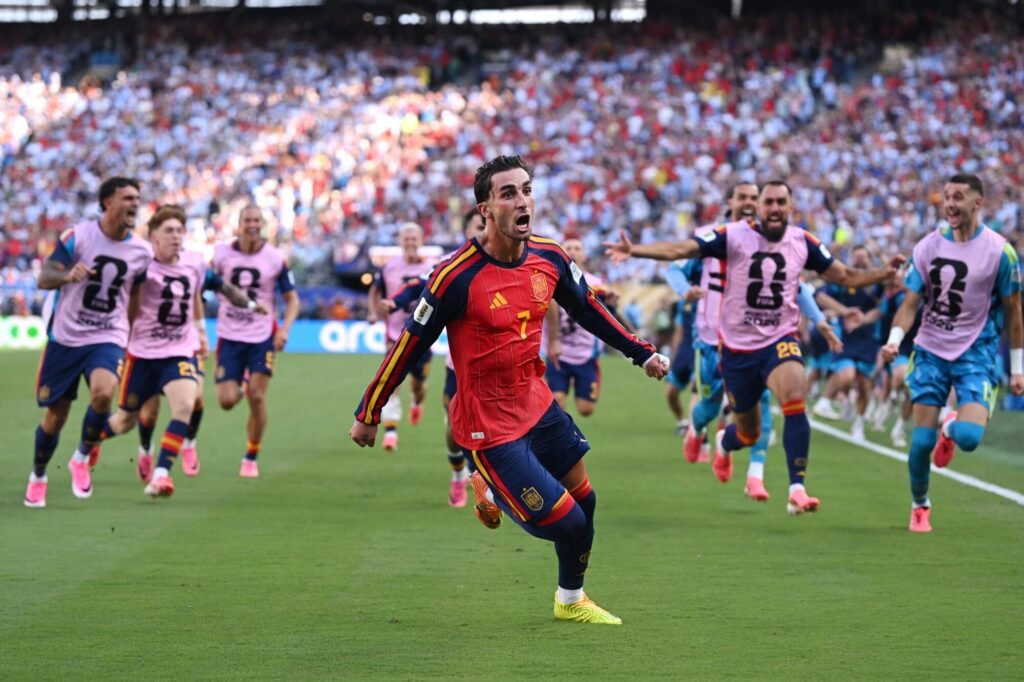
4. The stadium serves as a hub for the community
Demand grows in many sectors including hotels, restaurants, transport, retail and event production and tourism as a result of large sporting events. Winners use the money in host cities, and broadcasters and sponsors can target huge international audiences with the tournament. Visitors can benefit local businesses if they visit neighbourhoods as well as official venues.
Economics, however, doesn’t guarantee equality of returns. Event-related revenues and public costs, infrastructure demands, crowd control and the possibility that benefits might accrue to few businesses must be considered in the context of cities. Facilities and visitor attention after the final whistle are key to long-term value.
5. New tests for coaches and players
The extended competition is more challenging for the top players. The campaign shifts to recovery, planning for travel, rotation and injury prevention. Coaches have to consider keeping their team in the same formation, but also preparing a larger group for varying opponents and situations.
The tournament can also be a once-in-a-lifetime event for those players from countries that are appearing for the first time. Excellent performance can help raise the international profile of a player, gain new fans and inspire the next generation at home.
6. The technology, and the modern experience of the fan
Data, innovation in broadcasting and digital access are the driving forces of modern football. Video analysis provides a tool for coaching, workload management by video helps teams track workloads, and improved broadcasts allow viewers to understand tactics and important decisions. Fans can have access to live games, highlights, stats, and chat on various devices at home.
While technology can help the game to be more easy to follow, the fundamentals remain the same: good officiating, good access to coverage and a match experience that maintains the game at the heart of the experience. The more an innovation is focused on fairness and understanding, the more it is useful, the more valuable it is.
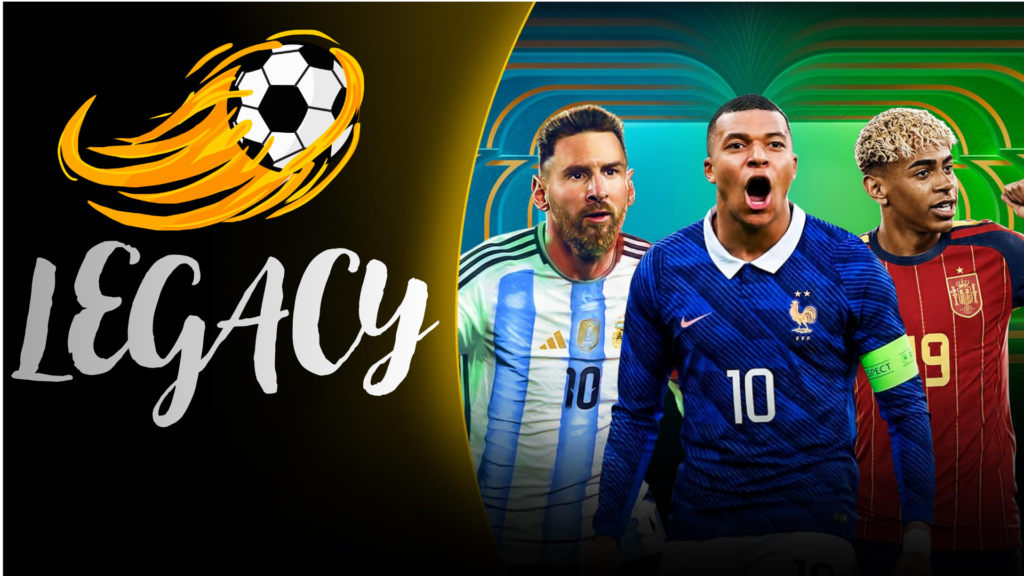
7. Inclusion, Access and the "Legacy" question
The wider the field the more range of opportunities for the countries to feel represented and for supporters to feel represented. But inclusion is also about the affordability, accessible spaces, safe travel, facilities for the disabled fan and opportunities for the local community to be involved. A global event should be open to its TV distribution, but open to the experiences it can create as well.
A World Cup is more than a tournament, it’s a legacy that lasts a long time. Benefits can include better tourism interest, greater involvement of young people, better public space, and better grassroots programmes. It is the challenge of organisers and host cities to ensure that the period of international attention is followed by benefits beyond the event.
8. The 2026 tournament's impact on the future of football.
The 2026 World Cup ended up showing the scope and scope of organising a big championship in three nations with 48 teams. It expanded the size of the tournament and increased the challenges around scheduling, travel and player health and event management. Those lessons will inform the future planning of sports events, worldwide.
But for supporters, the final indicator is more straightforward: epic games, new heroes, story lines you wouldn’t expect, and the sense that football is a way to unite two people who might otherwise have nothing to do with each other. Sustainability, accessibility and fairness – preserving that sense of emotion is what the next generation of the World Cup will be rooted in.
The Last whistle is not the end
FIFA World Cup 2026 marked a pivotal moment in the history of sports on a global scale. It has introduced new possibilities, and new responsibilities, with its new format and three countries hosting it. Its legacy to players, fans and host communities will determine how long this era will be remembered for.