Sponsorships, Media Rights, and the Economics of Speed.
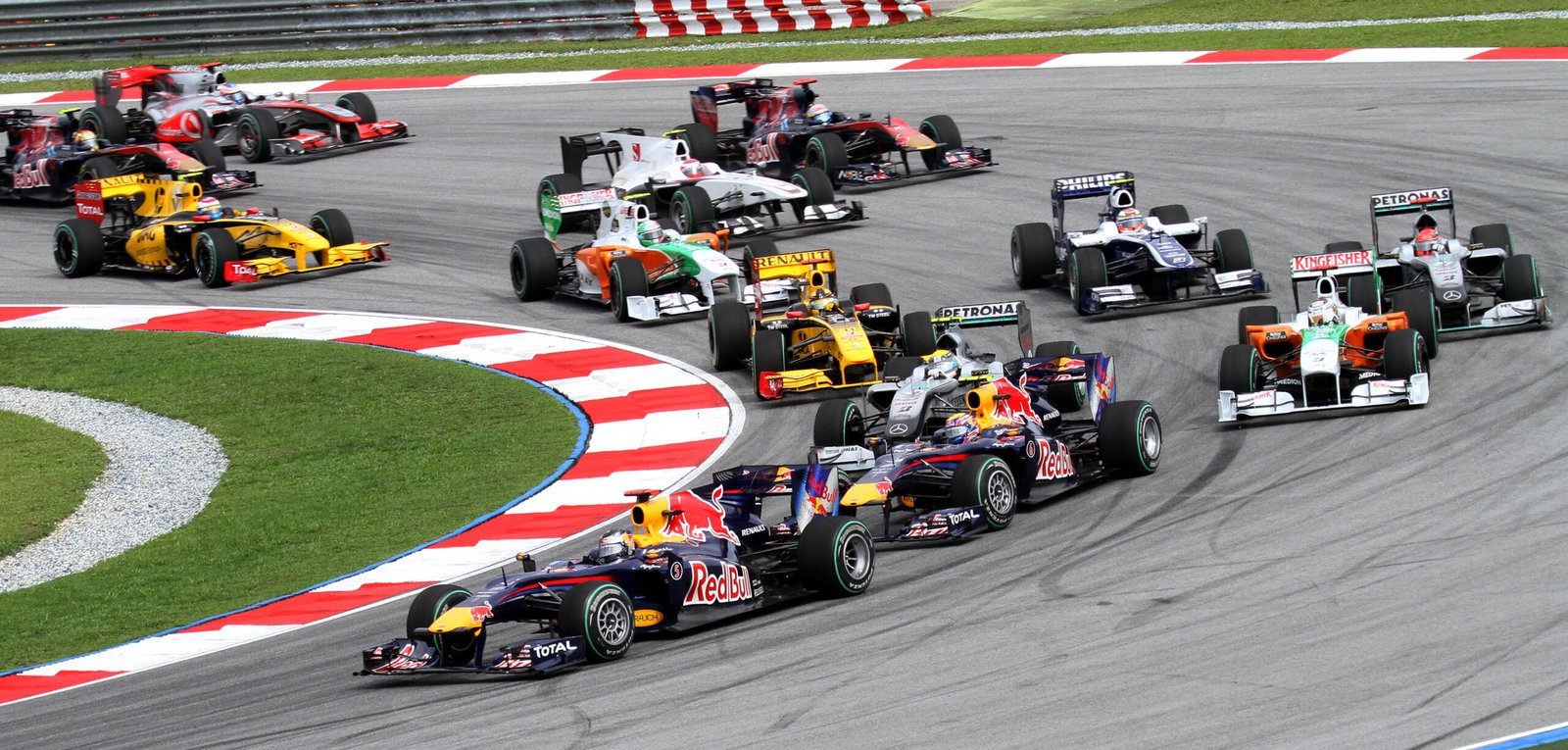
Formula 1 is more than a championship decided by speed, strategy and split-second decisions. Behind every Grand Prix is a global business connecting international brands, broadcasters, racing teams, host cities, technology companies and millions of fans.
From multimillion-dollar sponsorship agreements to worldwide media rights and premium race-weekend experiences, F1 has developed into one of the most commercially significant properties in international sport.
1. How Formula 1 Became a Global Sporting Business
Formula 1 began its World Championship era in 1950. Over the decades, it evolved from a European-centred racing championship into an international entertainment and commercial platform.
Television transformed the way audiences followed races, while international expansion brought new venues, sponsors and viewers. Digital media and behind-the-scenes storytelling have helped introduce the sport to people who may never have watched a full Grand Prix before.
Today, F1 combines elite motorsport with live entertainment, hospitality, technology and a year-round global media presence.
2. Where Does Formula 1 Make Its Money?
Formula 1 earns money through several connected commercial activities that generate revenue before, during, and after race weekends. One of its main income sources is media and broadcasting rights, as television networks and streaming platforms pay to show races, qualifying sessions, and other F1 content. Sponsorships and partnerships also play an important role, with global brands investing in opportunities to promote their products through the championship, teams, drivers, and racing events.
Another important source of income is race-hosting fees, which promoters pay to organise Grands Prix in their locations. Depending on the event and commercial arrangements, ticketing and hospitality can also contribute to revenue. In addition, Formula 1 earns money through merchandise, licensed products, digital subscriptions, and other commercial activities that help expand its business beyond race weekends and strengthen its global brand.
3. The Financial Scale of Formula 1
Formula 1’s financial growth demonstrates how a sporting competition can become a large international media and events business.
Formula 1 reported approximately $3.87 billion in revenue for 2025, compared with $3.41 billion in 2024. This reflects the commercial value of broadcasting, sponsorships, race promotion and other activities.
Revenue is not the same as profit. Organising races, producing broadcasts, servicing partners and distributing payments to teams all involve substantial costs.
4. Why Brands Invest Millions in F1 Sponsorships
Sponsorship is one of the most visible parts of the F1 business. Technology firms, financial companies, automotive suppliers, consumer brands and luxury businesses use the championship to reach international audiences.
A sponsorship package can include branding on cars and team clothing, trackside advertising, digital campaigns, hospitality access and promotional content with drivers. Partnerships can also create opportunities to demonstrate products or build relationships with business customers.
Why it matters: brands are not simply buying a logo placement. They are buying access to an international audience, an association with high performance and opportunities to engage fans across multiple channels.
5. Broadcasting Rights: Turning Races into Media Assets

A Grand Prix can be watched across television networks, streaming services and selected digital platforms. Broadcasters pay for rights because live sport attracts audiences, advertising and subscribers.
Formula 1 also creates value through race highlights, interviews, documentaries, archive footage and behind-the-scenes programming. These formats help keep fans engaged between race weekends.
The commercial challenge is to balance exclusive broadcasting deals with accessibility. Wider access can help grow the fan base, while premium coverage can generate subscription income and support the value of media rights.
6. The Economics of Hosting a Grand Prix
Hosting a Grand Prix is a major undertaking. Race promoters, local authorities and event partners must consider venue preparation, transport, safety, security, temporary infrastructure and hospitality.
In return, a race can attract international visitors, fill hotels, increase restaurant demand and generate global media exposure for a destination. Businesses may benefit from visitor spending, while host cities can use the event to strengthen their international profile.
However, the economic outcome depends on costs, public investment, visitor behaviour and contract terms. The presence of a Grand Prix does not automatically guarantee a net financial benefit for every host city.
7. Formula 1 Teams: Performance Meets Business
F1 teams operate like highly specialised engineering and performance businesses. They employ aerodynamicists, mechanics, strategists, data specialists, designers and commercial professionals.
Their income can include sponsorship agreements, payments linked to the championship’s commercial arrangements, manufacturer support and other partnerships. Their expenses include salaries, facilities, research, production, logistics and race operations.
Performance matters commercially, too. Successful results can increase visibility and strengthen a team’s appeal to sponsors, although a strong brand and competitive organisation can still be valuable during difficult seasons.
Financial regulations and cost controls also influence how teams allocate resources and compete over time.
8. Technology, Engineering and Innovation
Formula 1 is a showcase for advanced engineering. Teams work with aerodynamics, lightweight materials, energy recovery, power units, tyre performance and real-time data analysis.
Engineering is not just about building the fastest car. Teams must develop reliable systems, make rapid strategic decisions and transport people and equipment across a global calendar.
The wider automotive industry can also learn from motorsport’s work in simulation, energy management and materials. However, technology transfer is not automatic: road cars and racing cars have different budgets, regulations and design requirements.
9. Social Media, Streaming and the New Generation of Fans
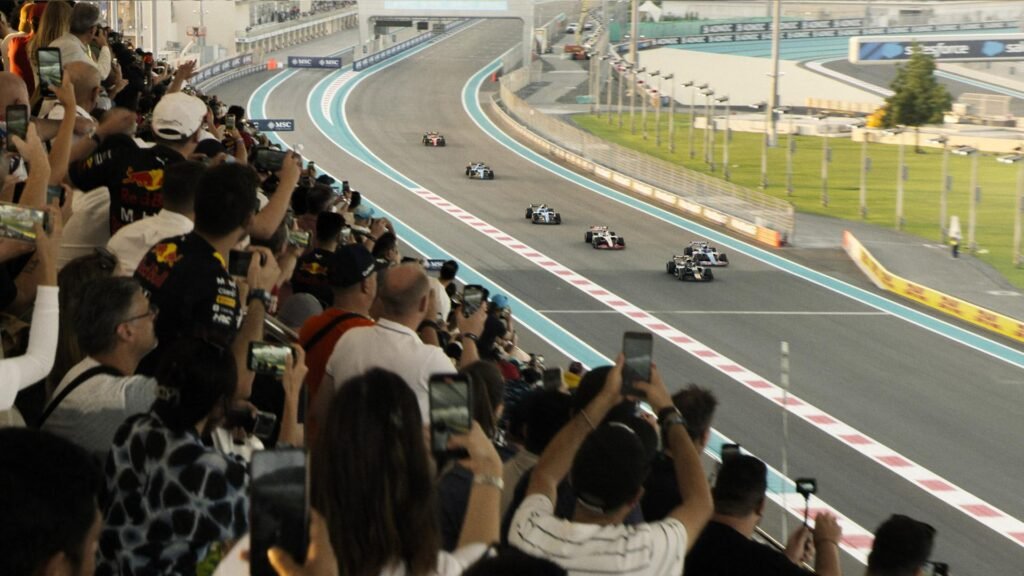
F1’s commercial relationship with fans no longer ends when the chequered flag falls. Short videos, driver interviews, team updates and behind-the-scenes stories make the sport accessible throughout the week.
Social platforms help fans discover rivalries, personalities and technical stories. Streaming documentaries and digital content can introduce new viewers to the people behind the helmets, making the championship easier to follow even for beginners.
This attention creates additional value for sponsors and teams, while giving Formula 1 more opportunities to develop its own digital channels, merchandise and fan experiences. The challenge is to turn online engagement into lasting interest rather than a temporary viral moment.
10. Risks and Challenges Behind the Glamour
Despite its global popularity, Formula 1 faces several business challenges that require careful management. High operating costs, including travel, engineering, staff salaries, and event production, demand significant financial resources. The sport also depends heavily on broadcasting agreements, sponsorships, and race-hosting contracts to maintain its commercial success.
In addition, international logistics, unpredictable weather, and geopolitical disruptions can affect race planning and operations. Environmental concerns, such as travel emissions and energy consumption, are also becoming increasingly important. Furthermore, a lack of close competition or prolonged dominance by a few teams can influence audience interest. Managing these challenges is essential for ensuring Formula 1’s long-term growth and commercial success.
11. The Future of Formula 1 as a Global Business
Formula 1’s future will depend on how effectively it connects racing, technology, media and live entertainment. New partnerships, digital products, premium hospitality and international markets offer opportunities for growth.
At the same time, the championship must preserve what makes it distinctive: elite competition, engineering innovation, driver skill and unpredictable race weekends. Commercial expansion is strongest when fans continue to see genuine sporting value.
The broader lesson is that Formula 1 is not simply selling races. It is building an international platform where sport, storytelling, technology and business reinforce one another.