Entertainment Without Borders, Competition Without Limits.
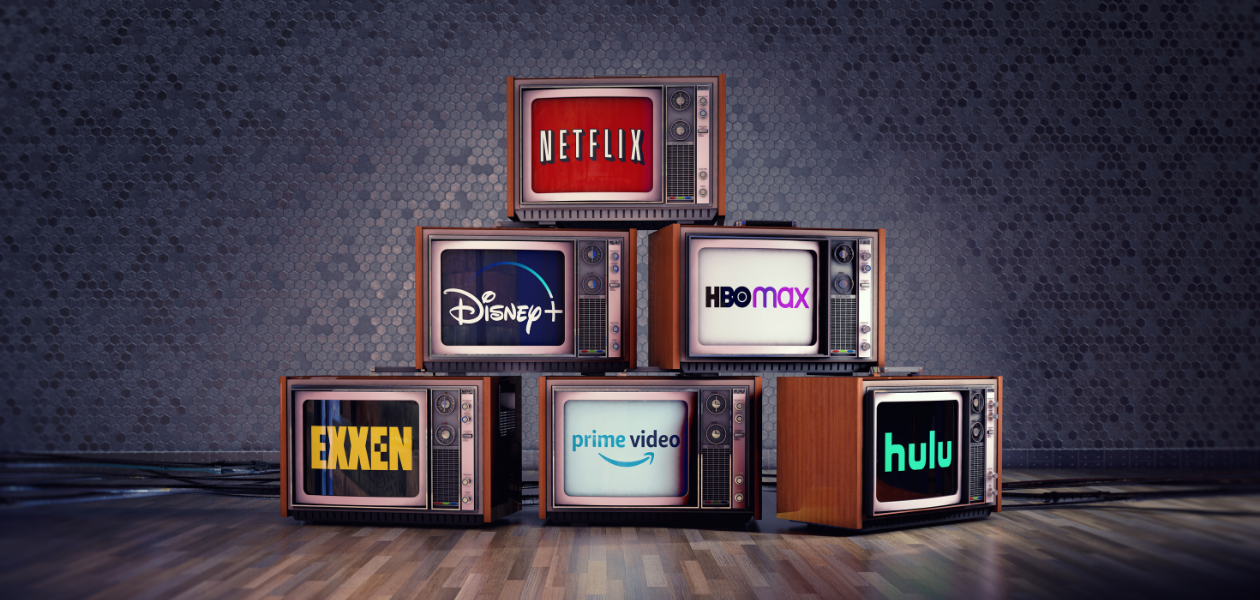
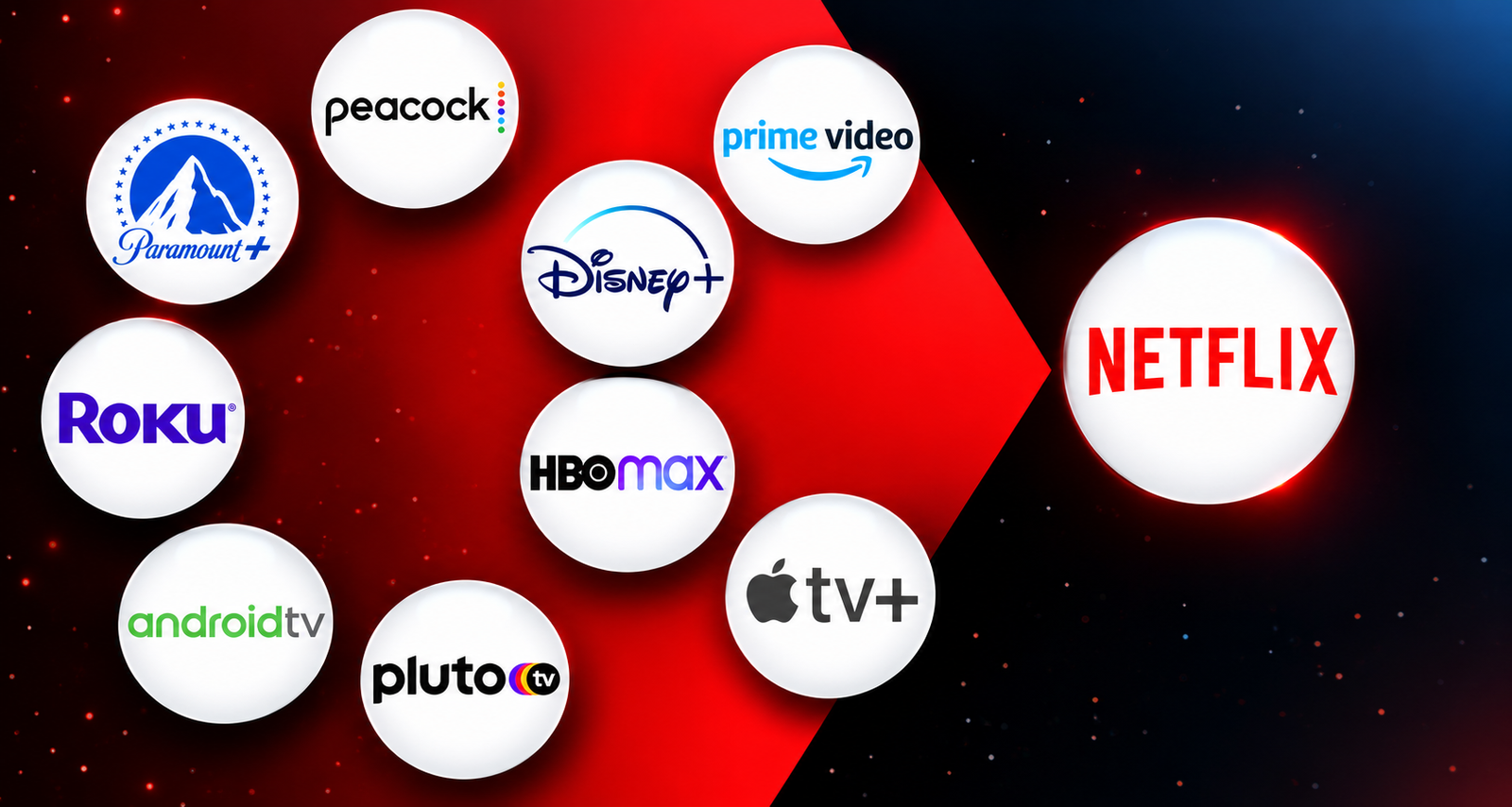
People’s entertainment is going from traditional tv to on-demand streaming, which makes the world’s largest streaming brands vying for attention, loyalty and a spot in the living rooms of consumers for good.
With a few clicks viewers can go from an engrossing crime drama to a family animation, to a live sporting event, or a documentary shot on another side of the world. Streaming has transformed entertainment into an always-available experience—and sparked a fierce contest over what people watch, what they pay and which services they keep.
The two giants Netflix and Disney+ are at the heart of this transformation, each brand having its own background, approaches and capabilities. One developed its identity as a wide-ranging catalogue and an ongoing flow of new works. The other is based on decades of beloved characters, proven franchises and a robust entertainment ecosystem. Their competition is a question of a much bigger scale: Who will define the fate of television?
The Streaming Wars started by the way
For many years, television programmes and cable packages decided the airing time of the viewer’s favourite shows. Streaming services disrupted that dynamic, allowing viewers to control time, place and device. A television, laptop, tablet or phone might be used to watch shows, and sometimes not at the regular time.
Netflix popularized subscription based online viewing and the full-season release is a staple in today’s entertainment. Existing studios and tech companies set up their own platforms and platforms as the model expanded, eager to deliver original productions and audiences to their own libraries.
With a set of global entertainment brands in its portfolio, Disney+ came into this increasingly saturated market with a clear edge. Upon its arrival, it made streaming a main competitor to household subscription – and a focal point of the media industry.
Netflix vs Disney+: Two Different Strategies
Both are competing for time in the leisure market and subscription revenues but have distinct brand identities. Netflix has established itself with a wide range of genres, foreign fare, docudrama, reality shows and half-hour old series. Its catalogue is designed to appeal to a variety of tastes, often suggesting titles to the viewer that they may not be familiar with.
There is a strong connection between Disney Plus and franchises as well as family entertainment. It can offer Disney animation, Pixar, Marvel, Star Wars, documentaries and others as per the market. With familiar characters and common storylines, people can keep subscribing between major releases.
Both options have unknown success rates. One thing that can be daunting with a large catalogue is if people don’t find something they like to watch, but a service running a franchise will need to keep delivering stories that will keep audiences engaged. What people see in the real sense is the value they see every month.
Original Content: The Most Powerful Competitive Tool
One of the best features of streaming services is having exclusive shows. If the series succeeds, it can become a conversation on the internet, a motivator to get new subscribers and can convince old ones to remain loyal customers. Seasons and movies can cause similar peaks of interest.
Original entertainment, however, costs a lot and is an unpredictable product. Not all big releases are successful, and a game with a great deal of hype in one market can not be the same success in another. To some extent, companies need to have to reconcile with bold projects with dependable programming, alternate genres and stories that resonate with assorted audiences.
Long term value is also attributed to the libraries. A beloved movie or previous season may be revisited years after it has been released, providing it with greater than one opportunity to reach a viewer. The best combination is strong catalogues, new releases plus smart promotion.
The Changing Habits of Viewers
Convenience is a must-have for audiences. Many like to watch at their own speed, pause and replay on different devices or watch multiple episodes all at once. Short-form video and social media also shape how viewers find out about shows: a moment for resonance, a discussion on social media, or a creator’s mention of a new show could make a show a moment for resonance or a talking point on social media.
However, with too many options comes the downside. There are a lot of services and releases to choose from and viewers can suffer from decision fatigue. They may look at longer times than they watch, replay their usual favourites or cancel one program that they enjoyed just because they watched one.
Households also differ. Some choose to broadcast children’s shows first, others go for specific franchises, and many alternate between platforms, depending on the shows that are available. Streaming services then have to comprehend not only the kinds of content that commences watching but also what keeps them hooked over time.
Subscription Prices, Bundles and Advertising
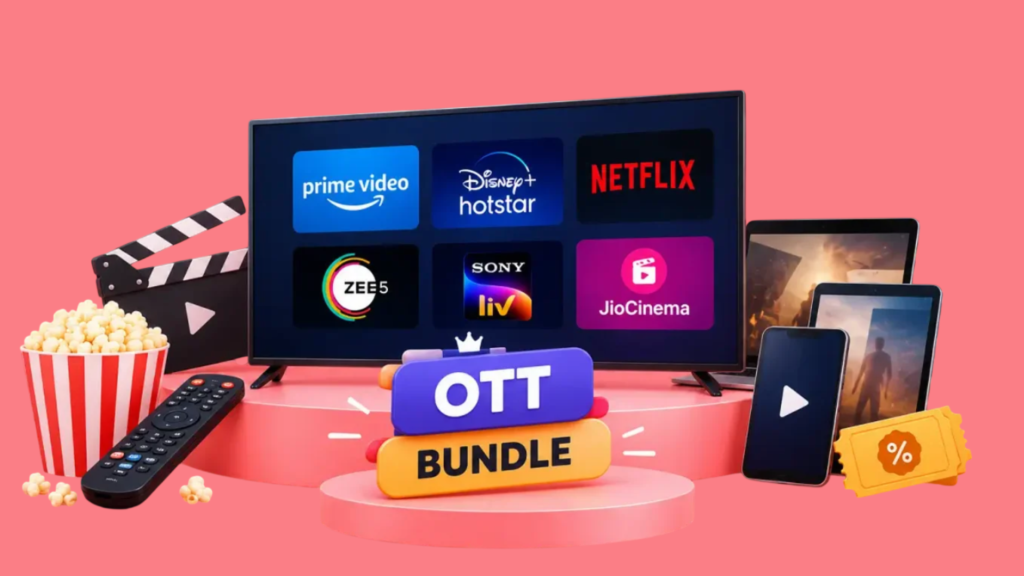
That all viewers will have to pay another monthly fee for an ad-free catalogue is no longer the streaming business’s only vision. Services have tried various subscription levels, ad-supported and ad-bundles plans that bundle entertainment with other products or services.
An ad-supported platform can be more accessible to viewers, and the ads can serve as a way to get viewers to a platform that would otherwise not afford them such a monthly payment. The trade-off is obvious: viewers have to make a choice regarding the perceived value of the convenience and the fewer interruptions as well as access to specific titles.
The challenge for platform is how to attract the right kind of subscribers while ensuring sustainable revenues. An increase in prices can lead to more revenue per customer, but can also lead to customer cancellations. Discounts and bundles can be effective in bringing more people to the use of telephones, but they must offer continuing value, not just promote one service over another.
The integration of technology into algorithms and personalised discovery
Recommendation systems impact people’s navigation through large libraries. History, search and interactions can be used to suggest programmes that are of interest to the individual based on their interests. If it’s implemented correctly, recommendations are expected to help users find content faster and at the same time discover content that is relevant to them.
However, personalisation isn’t limitless. A catalogue may become too short if it continues to be the same in every edition, and what people like one day, they do not like the next. A good discovery experience is one that offers a mix of known and unknown options and suggestions.
Reliable delivery of streaming technology is also critical, as is effective video compression, and the ability to access interfaces and play the content on a variety of devices. With the spread of viewing into new markets, a service needs to adjust to varying internet penetration, languages, accessibility needs, payment methods, etc.
Global Reach, Local Stories

Audiences have become more easily able to access entertainment content created outside their own markets through streaming platforms. A series produced for one country can reach a worldwide audience when the language is translated into subtitles and/or dubbing, and the product is promoted and spread through word of mouth. It opens up a new space for storytellers whose stories may have not gained an international audience.
Local productions can also add a regional relevance to platforms. The cultural details, the familiar settings, local languages can be as crucial as the international stars. Concurrently, global services have to select projects to invest in and market them in competitive markets.
The streaming wars are not just between two American brands, but also international. The market is distinct, with regional services, broadcasters and independent studios all bearing their own share of responsibility, and audiences with differing tastes, competing in a variety of different ways.
What's next for the streaming wars?
Content strategy, pricing, advertising, partnerships and technology will be key drivers for the next phase. Some services may specialize in packages or single programs, while businesses are still considering the investments that will gain them loyal viewers. Artificial intelligence could also impact recommendations, localization, and portions of the production process, but creativity and audience trust will still play a crucial role.
Packaging and distribution of entertainment may be altered due to consolidation and partnerships. Meanwhile, it’s hard to imagine that viewers will give up on the fundamental expectation that streaming should be easy to use, convenient, and create value for them. It will be the platforms that make their value clear that will be better placed to vie for attention.
Netflix and Disney+ are both strong in their respective ways, but neither is a company with a sure bet in the market. There can be new releases that move the conversation, a change in household budget, or a competitor service that provides a competitive option. The race to the finish line is not so much about a race to the finish line, as it’s about making it to the next month.
This is the conclusion of the course
The streaming revolution has driven greater control and choice for viewers and created a new tough business for entertainment companies. Netflix, Disney+ and other similar services need to bridge the gap between compelling narratives and affordable prices, user-friendly systems, and a film library that is desirable and interesting to navigate.
Finally, the best service isn’t always the one with the most launch volume, or the most titles. It is the one that keeps audiences happy that they have invested their time and money into. The remote is still in the hands of the viewers in the streaming wars.