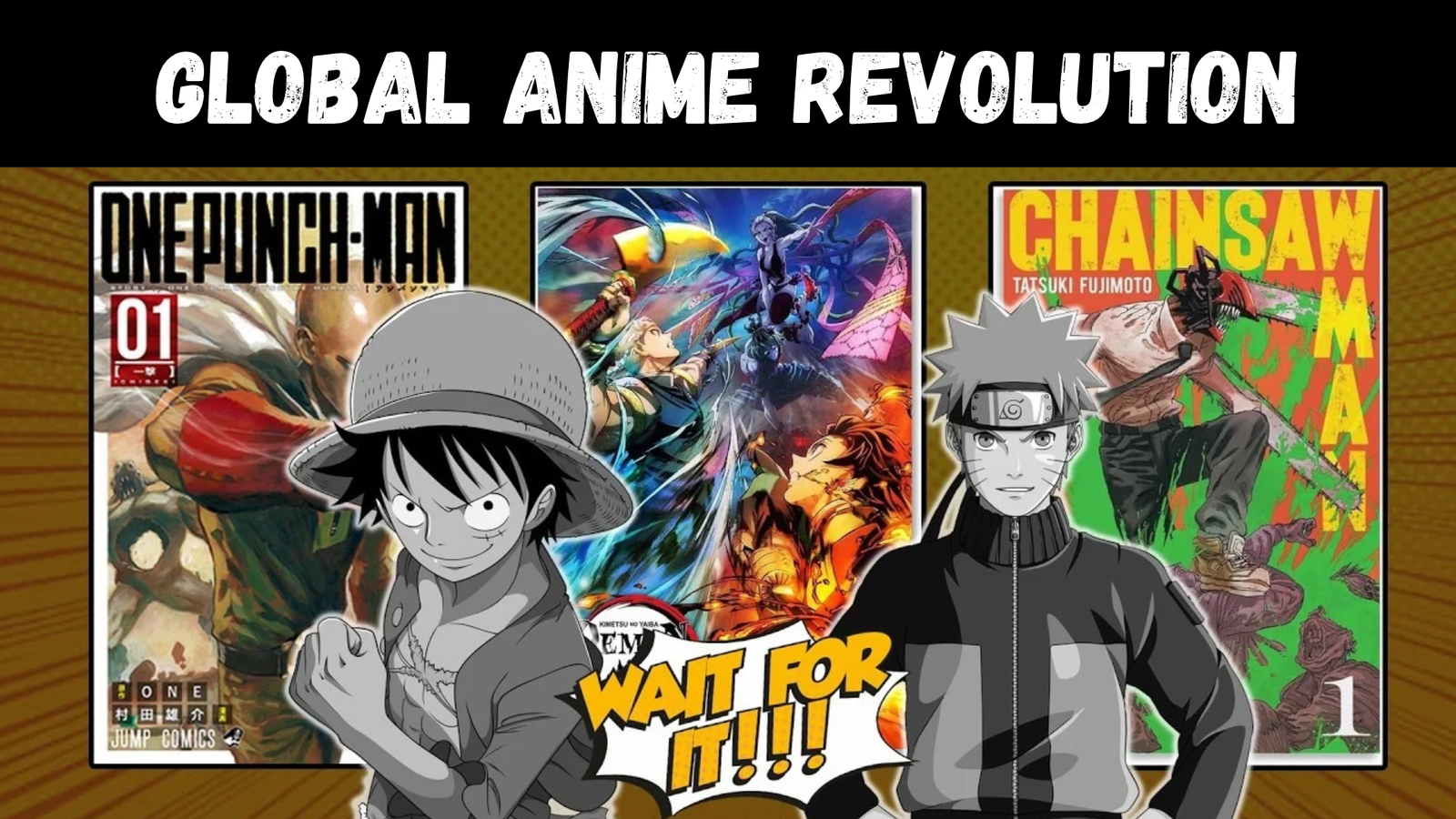
The Global Rise of a Japanese Pop Culture Powerhouse.
The journey of Japanese anime from regional success to global fame, bridging generations through narratives, digital platforms, and fervent fandom.
A hand-drawn character, a dramatic soundtrack and a story that feels much more like personal than entertainment: anime has evolved into much more than a way to entertain. Its impact stretches beyond Japan’s animation studios and onto screens around the world – it’s in the clothes, music, games, and tourism industry.Its impact is now spreading beyond Japan’s animation studios, into fashion, music, games, tourism and everyday digital culture.
Designed as a unique entertainment industry, it has become a common cultural phenomenon, created by artists, global fans and fan communities, all of which make their favorite stories come to life.
The Journey of Anime: From Japan to the World
It took time for Anime to build its global rise. Japanese animation has grown throughout the years, with techniques evolving and stories memorable. TV dramas and cartoons slowly began to spread outside of Japan, through overseas broadcasting, movie releases, home video, and a devoted fan following.
Old classics such as early international favourites introduced anime to younger viewers, and movies and TV shows that featured unique art styles and complex emotional narratives were gaining more and more popularity with diverse audiences. It wasn’t long after that that anime proved they could do more than just kids’ stuff.
Why streaming is the future of content
With the advent of digital streaming, anime is easier to find and view beyond borders. Consumers no longer have to trust that they will see the programs they want on television or that they will be available in some physical format. The presence of Japanese animation in the subtitles, dubbing and international catalogues has led to its introduction to people who did not know much about the animation at all.
Recommendation Systems can suggest genres to the viewer, based on things they like. International release dates for TV series can also be simultaneous or close together, so fans can join in conversations as the series is still ongoing.
The Global Anime Fan Community

Fans of anime aren’t just there to watch episodes. Likes comment on plot turns, create fan art, make fan picks, attend conventions and make new friends based on common interests. In the online community, users from various countries can connect with each other using identical characters and fictional worlds.
Cosplay is the process of turning imagination into reality. Fan artists have the possibility to produce their own interpretations of familiar worlds, and conventions provide the opportunity to come together with other creators, find merchandise, and embrace the medium as a community.
What Makes Anime Special?
Anime is not a specific style or genre. Its diversity is one of the main elements that makes it attractive to people of all ages and interests.
Anime offers a wide variety of genres to suit different interests and preferences. Action and adventure stories feature exciting journeys, rivalries, courage and spectacular battles, while romance and drama focus on relationships, personal growth and emotional experiences. Science fiction and fantasy explore imaginative worlds, futuristic technology and extraordinary possibilities. Slice-of-life anime, on the other hand, highlights everyday moments, friendships, family relationships and the simple experiences that make life meaningful.
Social Media: The Force that Drives Anime Trends
A series can be introduced to millions of potential viewers via short clips, fan edits, reaction videos, or through trends for music and character discussions. YouTube, TikTok, Instagram, and Reddit are just some of the platforms that provide various avenues for fans to discover, discuss, and reinterpret anime.
An iconic moment can go into the memeverse. Dance videos can be created using a soundtrack. Fan illustrations and cosplay can be affected by the character design. These creations will be circulated and those who haven’t seen the original sitcoms might be intrigued enough to begin.
Anime inspired music and lifestyle
Anime is now a part of the common visual culture. It’s not just about the screen — it’s about the fans’ interests as well, and they’re expressed in character-inspired outfits, graphic clothing, accessories, themed cafés and collectible figures.
Music is also a key link. Listening to opening themes or ending songs and film soundtracks can guide listeners towards Japanese pop and rock. Artist teams, fashion brands and entertainment companies can also unite to create an anime-inspired look for viewers who don’t watch anime shows on a regular basis.
Confessions of an Anime O'pologista
The anime industry is also an industry.Anime is also an industry. Commercial avenues involve film releases, streaming licenses, manga, video games, merchandise, music, and events and brand collaborations. If the story is successful, studios, publishers, distributors and retailers can all reap the reward by expanding the franchise.
New revenue streams and investment in animation can be provided by international demand. But production schedules, increased expectations, licensing and working conditions are key challenges. Being popular doesn’t always mean everyone in the studio or artist gets the same benefits.
Cultural Exchange: Japan's Impact on the World
Anime sometimes arouses curiosity in Japanese language, food, places, traditions and everyday life. Others start studying Japanese to understand a more fluent dialogue; others investigate the content of the manga or Japanese tourist destinations linked with their favorite story.
International fans also contribute to how anime is talked about, and marketed. It has a global identity through local conventions, translated releases and fan communities and regional viewing preferences. Cultural exchange is best achieved when visitors not only respect the cultural background of the art, but also understand that Japan is not just a series of clichés.
The Challenges Facing the Global Success
Popularity can go to the head of anime.With popularity come challenges. Dr. Strangelove, the industry has to account for the needs of the global market, and fans and platforms find themselves facing copyright issues, misinformation, and unequal access to official releases.
The anime industry faces several challenges despite its growing global popularity. Tight schedules and demanding workloads can put pressure on animation professionals, while copyright violations and piracy can negatively affect creators and official distribution channels. Licensing restrictions also make some anime titles unavailable in certain regions or languages. Additionally, as anime reaches international audiences, thoughtful translation and respect for Japanese culture and traditions are essential to ensure that its original meaning and cultural context are preserved.
The Future of Anime
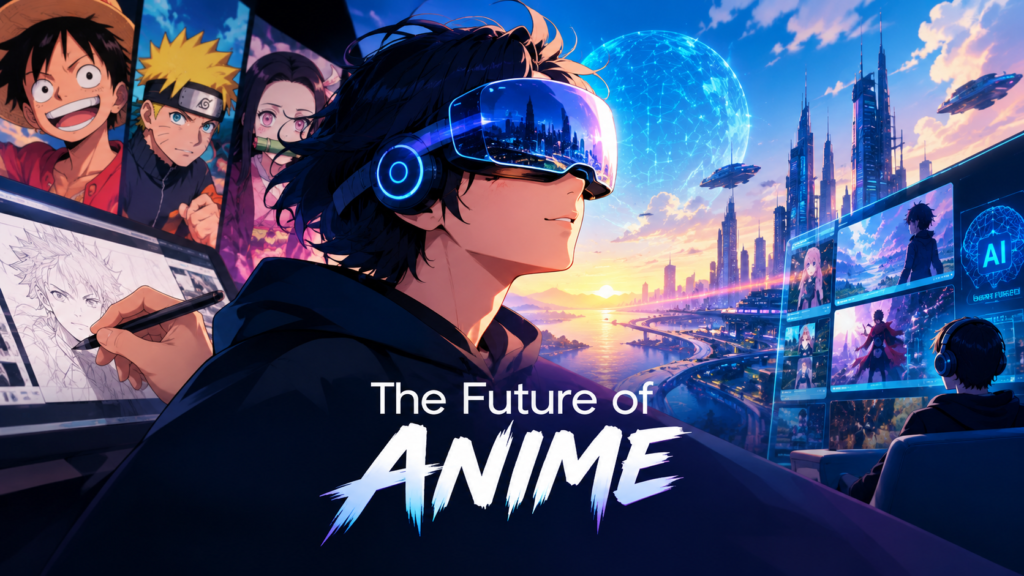
International collaborations, innovative distribution channels, shifting audience preferences, and digital advancements are likely to significantly influence Anime’s future trajectory.The future of Anime will be defined by global collaborations, emerging distribution strategies, changing viewer preferences, and technological innovations in production. While technology can be utilized in certain production processes, the human artist’s role in visual storytelling, direction and creative choice remains integral.
The growing access to anime in different markets could lead to a broader audience being exposed to different genres and creators. The challenge will be to increase access while maintaining the individual artists’ unique styles and personalities.
The section draws conclusions and connects the various aspects of the revolution together
The anime revolution isn’t just for the international success of Japanese animation. It shows that stories can bridge language barriers and that they can inspire creativity and can bring people together.
The ease of discovery with streaming, the speed of conversation with social media and watching with a fan community have changed all of that.
It will not only rely on technology or success in the market, but also on interesting stories, ingenuity and the communities that breathe life into these tales.
The Journey of Anime: From Japan to the World
It took time for Anime to build its global rise. Japanese animation has grown throughout the years, with techniques evolving and stories memorable. TV dramas and cartoons slowly began to spread outside of Japan, through overseas broadcasting, movie releases, home video, and a devoted fan following.
Old classics such as early international favourites introduced anime to younger viewers, and movies and TV shows that featured unique art styles and complex emotional narratives were gaining more and more popularity with diverse audiences. It wasn’t long after that that anime proved they could do more than just kids’ stuff.