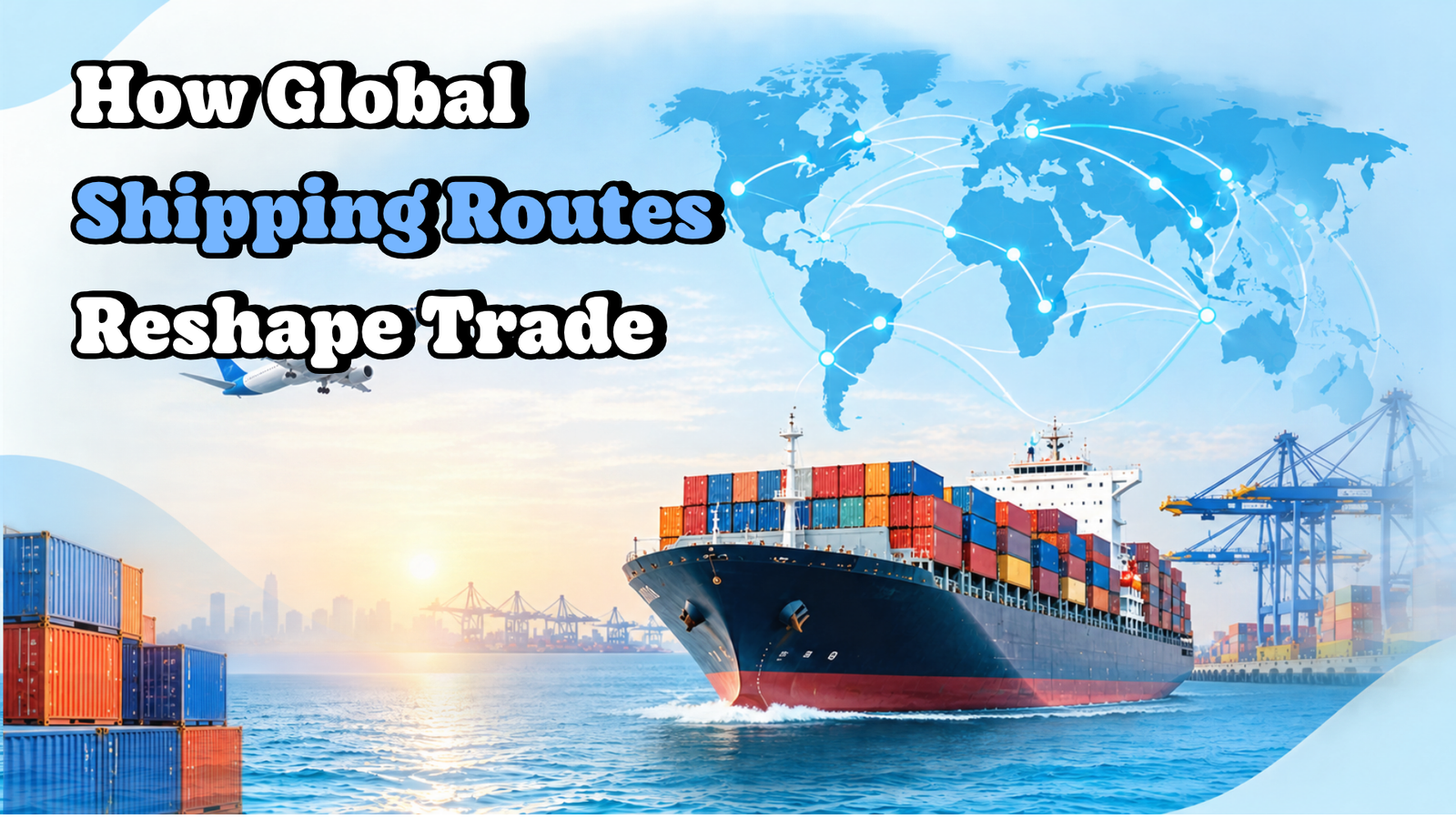
Shipping routes shape global trade and connect economies.
Thousands of ships sail over the sea every day and transport goods that link businesses, industries and consumers all over the world. The transportation of cargo between countries is a critical component of international trade, and it is used for a wide range of purposes, including food and clothing, electronics, fuel and industrial materials. But, the world is shifting with regard to shipping, as geopolitical developments, economies, climate and investments affect shipping infrastructure.
The big waterways, like the Suez Canal, Panama Canal and Strait of Malacca have been used for international trade for decades. With disruptions to shipping, fluctuating trade dynamics and increased transportation costs, companies are researching different shipping routes. The changes are helping to change the nature of trade among nations and are presenting new opportunities and challenges to businesses in the world.
The Changing Geography of Global Shipping
Traditionally shipping routes have been established to link manufacturing centres to international markets. But, with the increasing trade from Asia to Europe, Africa and Middle East, there is a new demand for transportation. Shipping companies are adapting network to meet the needs of the evolving consumer markets, industrial production and regional economic opportunities.
Countries are also putting efforts into modern port facilities and deepening harbours and upgrading logistics facilities in order to attract foreign shipping traffic. The old maritime routes are slowly becoming less significant and new linkages between new markets are coming to life.
Geopolitical Tensions Are Diverting Maritime Traffic
Political instability and international conflicts have become one of the considerations in global shipping. Sensitive areas could put ships on the water at risk of security problems, unexpected delays and increased insurance expenses. The Red Sea is an example of the negative impact that regional tensions can have on international trade.
The chaos in the region has led some shipping companies to consider not taking the route via the Suez Canal, but round the Cape of Good Hope in southern Africa. While this is an option to help ensure security in some cases, it extends travelling distances, fuel usage and delivery time, which puts further strain on international supply chains.
Ports and Technology Are Changing the Course of Maritime Trade
Today modern ports have become very significant hubs for maritime transport and have developed links to railways, highways, warehouses and worldwide distribution systems. To meet the needs of handling increased trade volumes, countries are investing in port development, automated terminals and new and better cargo handling equipment.
The digital revolution is also impacting shipping operations. Companies are making use of artificial intelligence, satellite navigation and real-time tracking systems to track vessels, analyze the weather and choose the most efficient routes. All these enhancements can help minimize delays, facilitate more efficient planning and be more flexible in international transport.
Shipping Route Changes Are Disrupting Global Supply Chains
Adjustments in sea lanes may pose a tremendous problem for companies that rely on frequent deliveries overseas. The longer trips could lead to higher fuel costs, delays of raw materials and impact production timelines. SMEs may encounter more challenges due to reduced financial flexibility, inability to access a variety of transport options and a smaller size.
Businesses are looking to other suppliers, keeping more stock, and employing various modes of transportation to try to come up with a solution to these problems. Having flexible supply chains is becoming even more critical as businesses strive to limit their reliance on any single shipping route and become more agile in meeting unforeseen challenges.
New Environmental Pressures Are Shaping Maritime Shipping
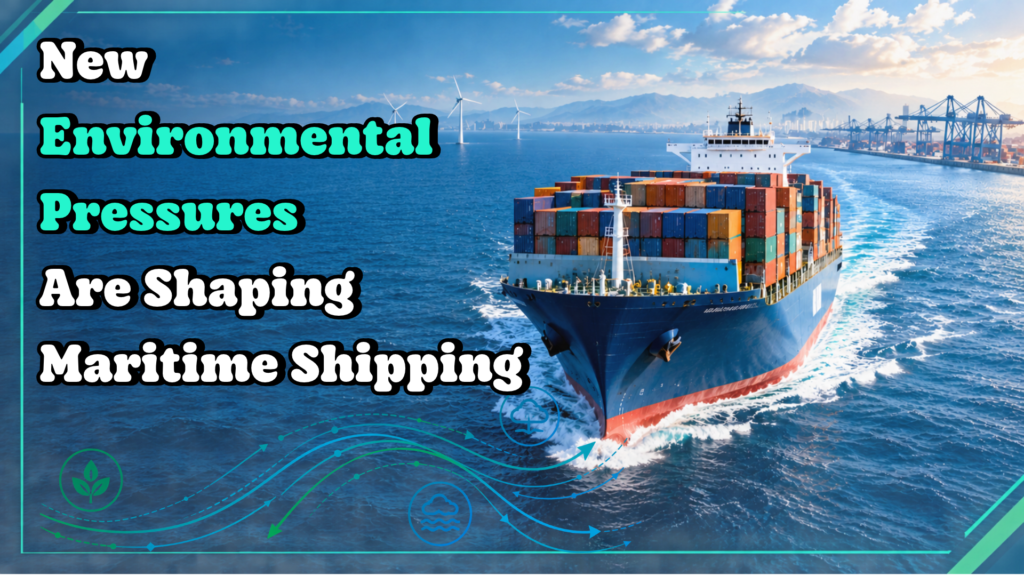
With the environmental issues gaining importance in the maritime transportation. Shipping consumption a considerable amount of fuel and also cause greenhouse gas emissions and marine pollution. Alternative routes of travel may be longer, which could also lead to greater fuel consumption and foster the adoption of more efficient ships and clean transportation.
Switching to alternative fuels like methanol and ammonia, to wind assisted propulsion, and finding better ship designs are being considered by some shipping companies. With the added importance of the environment, investment in sustainable shipping practice could play a role in determining which shipping routes and transportation networks are competitive over the next few years.
Flexible Shipping Networks Are Vital for the Future of International Trade
The location of shipping ports around the world is shifting and this will signal a trend in international commerce. Geopolitical, infrastructure, technological and environmental factors are impacting on the flow of goods between countries. While traditional sea routes still play a vital role, enterprises and governments are becoming aware of the need to consider alternative sea lanes, and ensure reliable transport services.
The international shipping market is developing towards greater flexibility and interdependency. Businesses that are able to adjust to shifting routes, control transportation risks and deploy state-of-the-art logistics solutions will be well-equipped to meet the future challenges. All these developments will influence international trade, growth and linkages between global markets in the future.