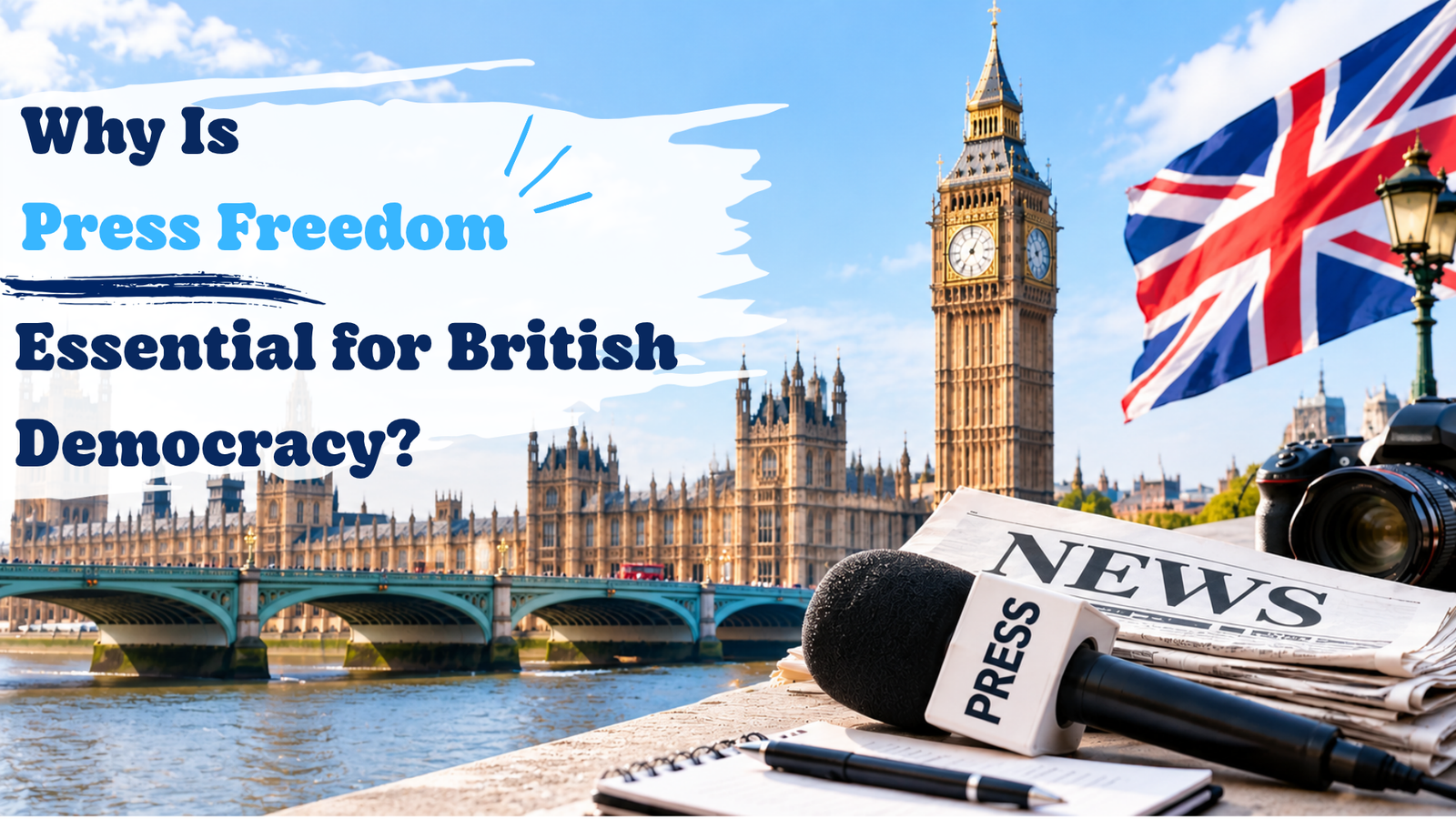
Press freedom protects the truth and strengthens democracy.
Every day millions of people read news stories, watch political debate and are informed about decisions taken by their government in the United Kingdom. Journalism, from the general elections to parliamentary debates, from public policies to issues of the nation, makes people know about what’s going on around them. Reporters uncover stories of great significance, ask questions of political leaders and expose information to the public to keep citizens in touch with the decisions that affect them.
Free press is a crucial element of it. It enables newspapers, television, digital and independent journalists to provide information without excessive interference from those in power. In Britain, where democracy is reliant on public engagement and transparency, an independent press has a vital role in safeguarding the right to information, making sure that there is enough open discussion, and holding those with power to account.
How Journalism Strengthens British Democracy
Journalism is an important medium for bringing the public closer to political institutions. Most citizens cannot attend parliamentary proceedings, government sessions or discussions about key policy decisions. News media plays a part in filling this gap by reporting what is happening, explaining complex issues and offering alternative perspectives. This enables citizens in the United Kingdom to understand how decisions are taken and how they could impact their daily lives.
Independent reporting is also a key element in building an informed society in which citizens can engage in public debates with greater confidence. Journalists report on the activities of Parliament, political parties, local councils and government departments, bringing important issues to public attention. Without independent news, citizens may find it difficult to understand political processes or make informed choices on issues that affect their communities.
Holding Political Leaders Accountable and Protecting Public Rights
A key role of the free press is to hold political leaders and public institutions to account. The government makes decisions about healthcare, education, housing, public expenditure and national security, all of which affect people’s lives. Journalists ask questions about these decisions, challenge government statements and report concerns where greater transparency is needed. Investigative reporting can also reveal instances of misuse of public funds, conflicts of interest and failures within public institutions.
Press freedom also guarantees the right of citizens to receive and share information. Article 10 of the European Convention on Human Rights, protected under the Human Rights Act 1998, is an important freedom of expression provision in the United Kingdom. It protects the right to express opinions and receive information, although certain legal restrictions may apply. This safeguards the ability of journalists to report on matters of public concern and allows citizens to understand and question actions taken by decision-makers.
How Independent Media Can Shape Elections and Influence Public Opinion
Elections are one of the most crucial aspects of British democracy, and people need accurate information before voting for their representatives. Newspapers, television broadcasters and online news organisations educate people about political parties, campaign promises and proposed policies. Through interviews, debates, election reporting and political analysis, journalists provide information that helps voters compare their options and understand the potential impact of their choices.
Independent media also provides journalists with the opportunity to investigate political statements and question promises that may not be supported by evidence. This allows voters to look beyond campaign advertisements and political messaging when deciding whom they want to support. A free press does not determine how people should vote; instead, it provides information and different viewpoints for consideration. Independent journalism is therefore an important part of an informed electorate and an active democracy.
Challenges Facing Press Freedom in the Modern Media Environment
Press freedom continues to face challenges in Britain, although the situation differs from countries where journalists experience more severe restrictions. Journalists can face online harassment, threatening messages, legal pressure and intimidation when covering sensitive political or social topics. This can discourage reporters from investigating controversial issues or questioning powerful individuals. The media industry also faces financial challenges, with traditional newspapers struggling with declining print circulation and digital publishers competing for advertising revenue and online attention.
Social media has created additional challenges by transforming how people find and share political information. News can reach the public within minutes, but unreliable information, manipulated images and unverified reports can also spread widely. Professional journalism helps address these problems by verifying sources, investigating claims and providing accurate context. However, smaller news organisations may struggle to maintain these standards because of limited resources, making the protection of independent reporting increasingly important.
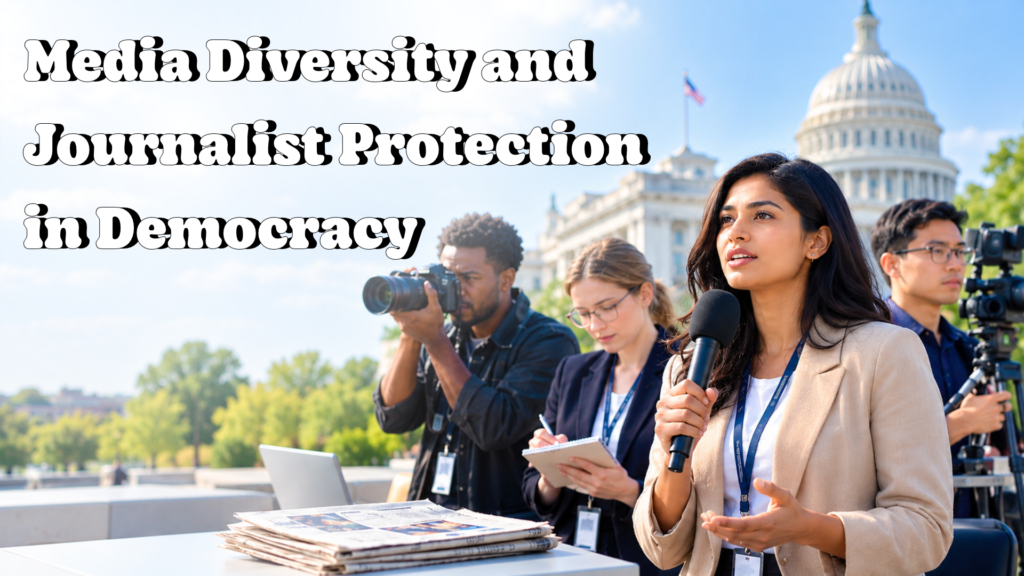
Media Diversity and the Protection of Journalists in a Healthy Democracy
A free press should also operate with responsibility and professionalism. Journalists are expected to verify information, report fairly and respect the rights of others while covering public affairs and important issues. Misleading headlines, inaccurate reports and unnecessary invasions of privacy can damage public trust in the media. In Britain, laws, professional codes of practice and independent regulatory arrangements help balance freedom of expression with accountability in journalism.
Media diversity and the safety of journalists are equally important for a healthy democracy. Newspapers, broadcasters, local publications and independent digital platforms offer different viewpoints and provide opportunities for communities to discuss matters that may otherwise receive limited attention. Journalists should also be able to work without threats, violence or unjustified interference. Protecting their independence ensures that important stories can continue to be investigated and different voices can remain part of the national conversation.
The Future of Press Freedom in British Democracy
Whether Britain will maintain a free and independent press in the future will depend on how effectively it adapts to technological changes, economic pressures and new challenges facing independent journalism. Artificial intelligence and digital platforms are creating new opportunities for reporting, but they are also raising concerns about manipulated content, automated misinformation and the influence of online algorithms. As the media landscape continues to evolve, ensuring access to reliable information and safeguarding independent news organisations will remain essential.
Citizens must also help create a healthy information environment by verifying facts, comparing information from different sources and identifying inaccurate content. Press freedom is not simply about protecting journalists or media organisations; it is about ensuring that everyone has the opportunity to access information, question authority and express their views. Protecting independent journalism will help maintain transparency, strengthen public participation and preserve the democratic values of the United Kingdom for future generations.