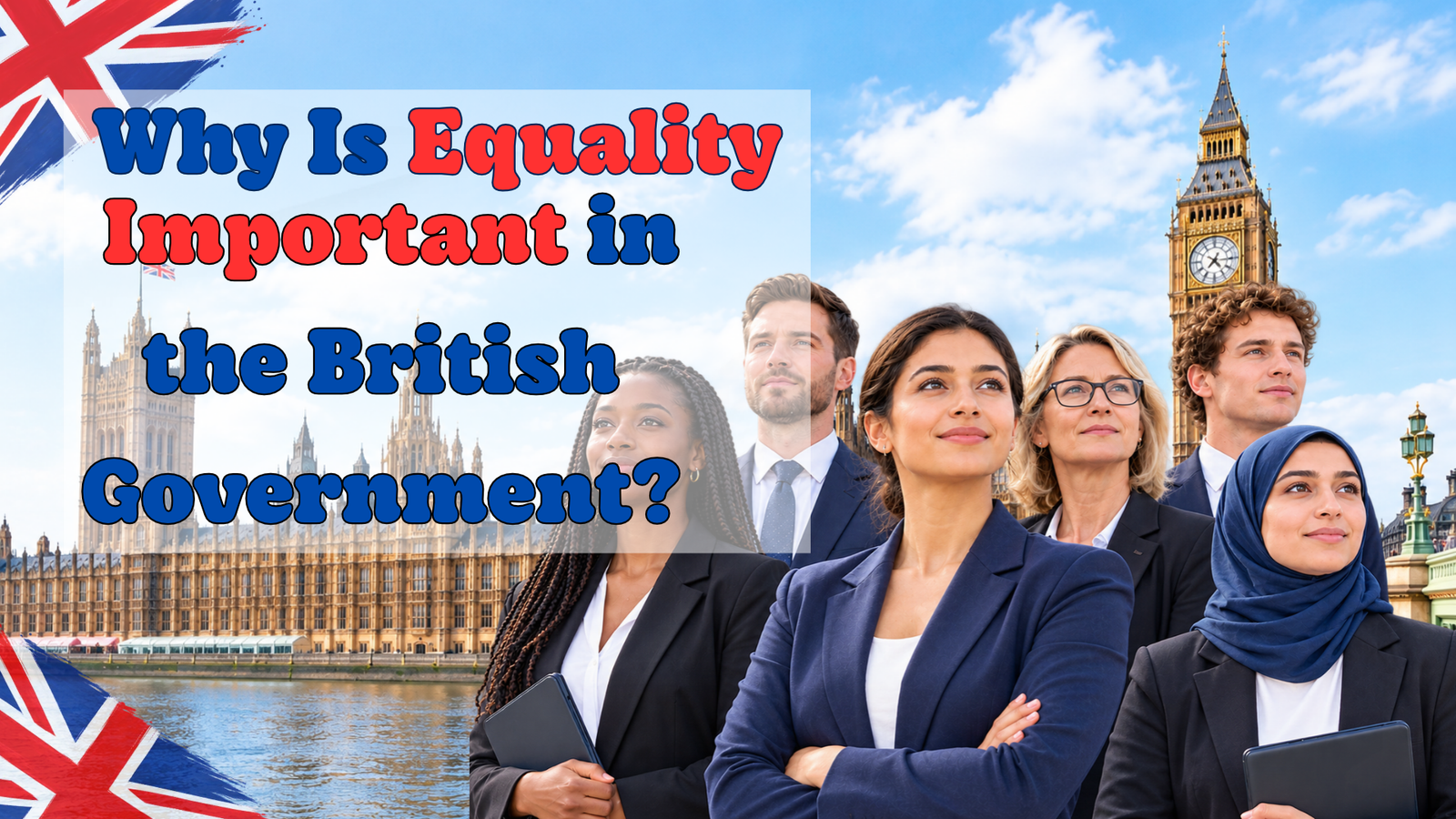
Equality ensures fair representation and equal opportunities for all.
Having a gender-balanced political system is a key component of gender equality. In the UK, government actions, policies and priorities have an impact on education, health, employment, public services and the economy. A level playing field for women and men to engage in political life contributes to bringing in diverse experiences and perspectives to decision-making.
There has been some progress in the UK towards women’s political representation and equal rights, although gender equality in government is ongoing. Fair treatment, leadership opportunities and equal participation are all vital to making sure that democratic institutions represent the people themselves.
Gender Equality Is Essential for Politics
In a democratic form of government, the government needs to serve the interests of all of the population. A broader spectrum of topics can be discussed when women have equal chances with men to be elected to political office and to be involved in making decisions about the public good. This can help to develop policies that are more representative of the needs of families, workers and communities nationally.
Fairness and democratic participation are also intrinsically linked to gender equality. No one should be discriminated against or have to overcome unnecessary obstacles in trying to participate in politics simply on the basis of their gender. An increase in equality can help to improve citizens’ trust in political institutions and boost civic participation.
Women Are Significantly Underrepresented in the UK Government
Over time, there has been a rise in the number of women in British politics as MPs, government ministers and political leaders. Their involvement has helped to expand the political discussion and draw attention to issues that perhaps have not been considered as much in the past.
Representation is not just about having women in elected office, however. It also involves providing women with meaningful opportunities to inform policies, assume leadership roles and be part of key discussions within Parliament. Increased participation means that government will have the benefit of a broader spectrum of experiences and perspectives.
Gender Equality Affects Government Policies in Many Ways
Governments have an impact on people, which varies from one individual to another, depending on their situation and on the opportunities they have. Incorporating gender equality into the policymaking process can allow decision-makers to understand gender-based inequalities in employment, education, childcare, health and public safety.
Fair recruitment policies, parental leave and access to childcare can assist individuals in balancing work and family life. Taking steps to overcome discrimination and inequalities in the workplace can also help create a just society. The government can take account of the needs of various groups, thereby creating policies that are better equipped to address people’s needs.
The Effort to Achieve Equal Representation Faces Many Challenges
While positive changes have been made, there are still obstacles that may hinder women’s political engagement and growth. These can include discrimination, unequal access to political networks, online abuse and balancing political duties with personal responsibilities. These challenges may deter talented people from entering politics or seeking advancement to higher office.
Fair candidate selection, respectful working environments and effective anti-discrimination measures are needed to overcome these obstacles. It is necessary to establish opportunities for people to engage and advance equally within political parties and other public institutions.
The Role of Political Parties and Public Institutions in the Equality Process
Political parties are of great significance in determining who becomes a candidate and moves into leadership. Fair recruitment, mentoring and transparent procedures can help broaden access to political careers. Public institutions, such as Parliament, can also help promote equality by having appropriate policies and measures that encourage accountability.
The public’s perspectives are also significant. Voters, communities and civil society organisations have the power to challenge stereotypes and promote equal opportunities in politics. Political institutions can facilitate the development of a more inclusive political climate by working together with the public.
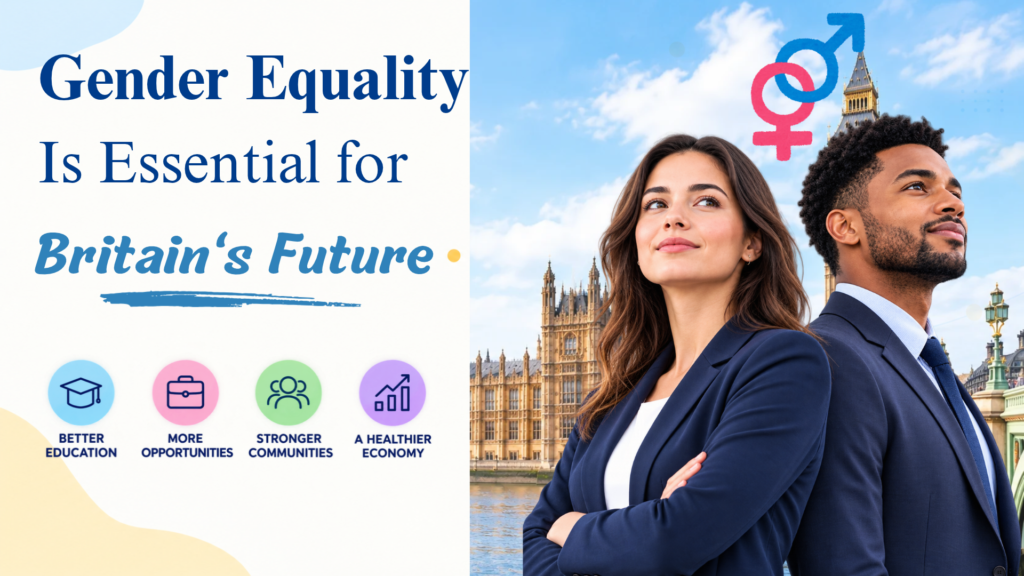
Gender Equality Is Essential for Britain's Future
Gender equality in government is not just a question of numbers; it is also a question of fairness and the effectiveness of democratic decision-making. Political institutions that engage and utilise the knowledge and skills of the wider community can consider a broader range of opinions when solving the country’s problems.
The process of further eliminating barriers, promoting equal treatment and improving opportunities for political participation can contribute to making the British government more inclusive and representative. The UK can make its democratic systems more robust and help create a fairer political future by giving everyone an equal opportunity to participate in, shape and influence public policy.