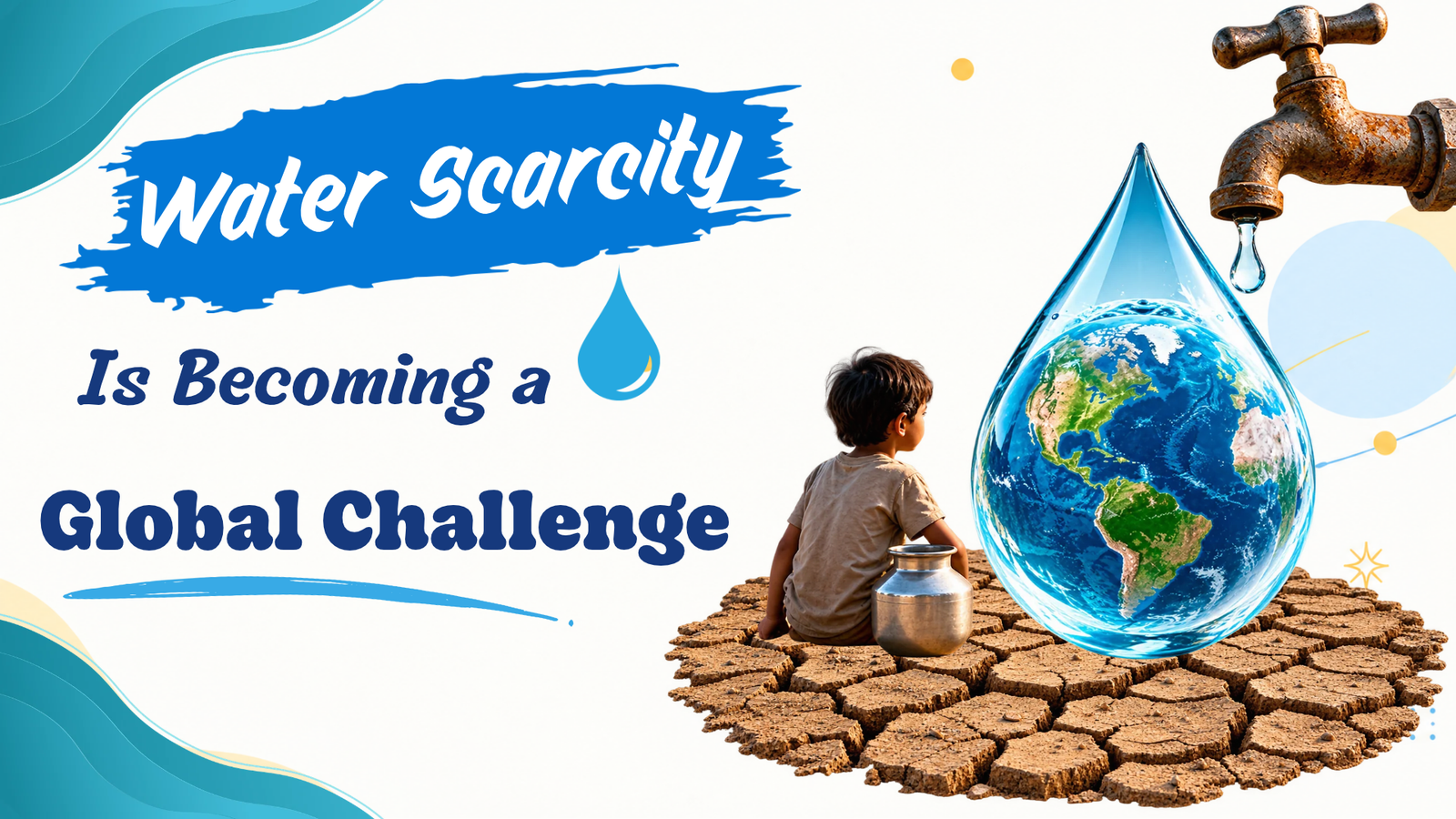
Every Drop Counts – Protecting Water Today Means Securing Tomorrow.
Water is one of the most essential resources for life. People depend on it for drinking, cooking, farming, sanitation and industrial activities. However, access to clean and reliable water is becoming increasingly difficult in many parts of the world. Shrinking rivers, falling groundwater levels and prolonged droughts are putting pressure on communities that depend on regular water supplies.
Water scarcity is no longer limited to dry regions. Growing populations, climate change and increasing demand are making freshwater availability a major global concern. As cities expand and industries develop, protecting existing water resources is becoming essential for maintaining communities, economies and the environment.
The Growing Pressure on Global Water Resources
Freshwater resources are under increasing pressure as the demand for water continues to rise. Although the Earth contains large amounts of water, only a small proportion is freshwater, and an even smaller amount is easily accessible for everyday use. Rivers, lakes, reservoirs and underground aquifers provide water for millions of people, but excessive consumption is affecting these natural supplies.
In several regions, groundwater is being extracted faster than it can naturally recharge. This creates long-term difficulties for agricultural areas and growing communities. Some regions experience seasonal shortages, while others face prolonged periods of water stress. These developments highlight the importance of protecting freshwater resources and managing them responsibly.
How Climate Change and Population Growth Affect Water Availability
Climate change is one of the major factors influencing global water availability. Rising temperatures affect rainfall patterns, increase evaporation and contribute to longer periods of drought in some regions. Unpredictable monsoons, reduced snowfall and shrinking glaciers can also affect the amount of freshwater available throughout the year. These changes make it harder for communities to depend on traditional water sources.
At the same time, population growth and urban expansion are increasing demand for drinking water, sanitation and public services. Growing cities require additional water for housing, construction, electricity and commercial activities. In many developing regions, existing infrastructure struggles to meet these needs, creating unequal distribution and unreliable water supplies.
Agriculture and Industry Are Increasing Water Demand
Agriculture plays an important role in global water consumption. Farmers depend on freshwater for irrigation, livestock and food production. According to the World Wildlife Fund, agriculture accounts for around 70% of the world’s accessible freshwater use. In regions with limited rainfall, excessive groundwater extraction and inefficient irrigation methods can further reduce available supplies.
Industries also require significant amounts of water for manufacturing, cooling, cleaning and processing. As industrial activities expand, competition for freshwater can increase between businesses, agricultural communities and households. This growing demand makes efficient water management essential for supporting economic development without placing additional pressure on natural resources.
Water Pollution Is Creating Additional Challenges
Water scarcity is not always caused by a lack of water in rivers, lakes or underground sources. Pollution can also make existing freshwater supplies unsafe for everyday use. Industrial waste, untreated sewage, agricultural chemicals and plastic pollution can damage rivers and groundwater systems, making clean water more difficult and expensive to obtain.
The problem also affects natural ecosystems. Aquatic plants, fish and other wildlife depend on clean freshwater environments to survive. When pollution increases, these ecosystems become weaker and biodiversity can decline. Protecting water quality is therefore just as important as maintaining sufficient water supplies for people and communities.
The Impact of Water Scarcity on Communities and Economies
Water shortages affect much more than household water supplies. They can influence food production, public health, education and economic development. Reduced water availability can damage crops, lower agricultural production and affect farmers’ incomes. Businesses that depend on reliable water supplies may also experience higher operating costs and production delays.
Water scarcity can also increase competition between communities and regions that depend on shared rivers and groundwater supplies. In some areas, disagreements over limited resources can create political and social tensions. These challenges show how access to clean water is closely connected with economic stability, food security and international cooperation.
New Solutions for a More Water-Secure Future
Governments, scientists and communities are exploring new ways to protect freshwater resources and reduce unnecessary consumption. Modern irrigation systems, rainwater harvesting and wastewater recycling can help improve water efficiency. Technologies such as desalination are also providing additional supplies in regions with limited natural freshwater, although their energy requirements and environmental effects need careful consideration.
Addressing water scarcity will require cooperation between governments, businesses and local communities. Protecting wetlands, reducing pollution, repairing leaking pipes and encouraging responsible water consumption can all support better water management. Long-term investments in infrastructure and conservation policies will also play an important role in improving global water security.
Conclusion
Water scarcity is becoming one of the most important global challenges because climate change, population growth, industrial expansion and pollution are placing increasing pressure on freshwater resources. Its effects reach beyond drinking water supplies, influencing agriculture, economies, public health and natural ecosystems.
Protecting water resources requires long-term planning and responsible action. The decisions made today will influence how future generations access clean water, produce food and maintain healthy communities. Ensuring reliable freshwater supplies is therefore essential for building a more sustainable future.