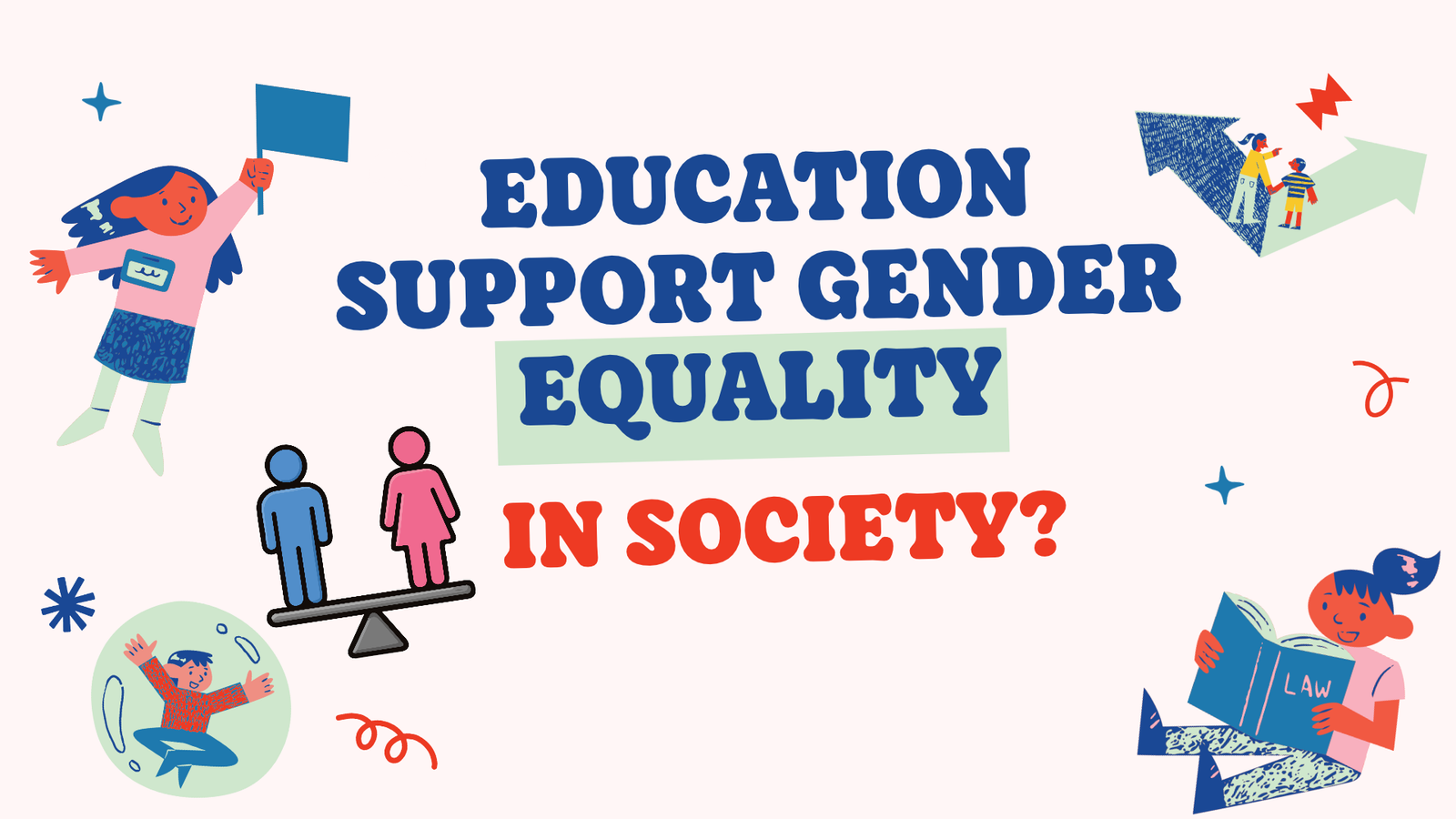
Education is the foundation of gender equality.
Education plays an important role in shaping individuals, communities and the future of society. It provides people with the knowledge, skills and confidence needed to build better lives. However, access to education is not always equal for everyone. In many parts of the world, girls and women continue to face challenges that limit their educational opportunities and affect their personal and professional development.
Gender equality has become an important part of social development, and education is one of the strongest ways to support it. It helps individuals understand their rights, challenge traditional beliefs and recognise that opportunities should not depend on gender. By creating equal learning opportunities, societies can encourage independence, improve awareness and build a more inclusive future.
Education Creates Equal Opportunities
Access to quality education gives girls and boys an opportunity to develop their abilities and pursue their ambitions. When students receive equal learning opportunities, they can explore different subjects, develop practical skills and prepare for future careers without being limited by traditional gender expectations. Education also allows individuals to make informed decisions about their personal and professional lives.
However, financial difficulties, social restrictions and limited educational facilities still prevent many girls from continuing their studies. Providing scholarships, affordable learning resources and supportive school environments can help reduce these barriers. Equal access to education allows individuals to participate more actively in society and build better opportunities for themselves.
Education Challenges Gender Stereotypes
Traditional beliefs often influence how people understand the roles of women and men in society. Certain professions, responsibilities and activities are sometimes associated with a particular gender, which can affect the choices young people make about their futures. These expectations may prevent individuals from exploring their interests and achieving their full potential.
Education helps change these attitudes by encouraging independent thinking and introducing students to different perspectives. Through classroom discussions, books and practical learning experiences, children can understand that leadership, intelligence and professional success are not determined by gender. These lessons can gradually create more balanced attitudes within families, workplaces and communities.
Education Supports Financial Independence and Leadership
Financial independence is an important part of gender equality. Education provides women with the knowledge and professional skills needed to find employment, start businesses and make informed financial decisions. When women receive quality education, they can participate more actively in economic activities, contribute to household income and gain greater control over their future.
Education also helps women develop communication, decision-making and problem-solving skills that are important for leadership. Although women remain underrepresented in several leadership positions across business and politics, equal educational opportunities can prepare more women to take responsibility and participate in important decisions. Seeing women succeed in different professions can also encourage younger generations to pursue their ambitions.
Schools and Technology Promote Equal Learning
Schools play an important role in developing attitudes towards gender equality from an early age. Teachers can encourage fairness by providing equal attention, participation opportunities and support to all students. Educational materials that represent women and men in different professional and social roles can also help challenge stereotypes and teach children the importance of respect.
Technology has further expanded access to education through online courses, digital classrooms and educational platforms. These opportunities allow girls and women to develop skills in areas such as technology, communication and business, even when traditional learning facilities are difficult to access. However, limited internet connectivity and expensive devices remain challenges that need attention to make digital education more inclusive.
Education Helps Reduce Social Inequality
Gender inequality is often connected with wider social and economic challenges, including poverty, unemployment and limited access to essential services. These difficulties can affect the educational opportunities available to girls and women and make it harder for them to achieve long-term independence. Education can help address these problems by improving awareness, developing practical abilities and creating better employment opportunities.
Families and communities also have an important influence on educational equality. Parents, teachers and community leaders can encourage girls to continue their studies and challenge traditional beliefs that restrict their opportunities. Scholarships, awareness programmes and local learning initiatives can further support students who face financial or social barriers. When communities work together, education becomes a stronger tool for creating positive change.
Education Can Create a More Equal Future
Despite growing awareness, challenges such as early marriage, financial difficulties, discrimination and unsafe school environments continue to affect equal access to education. Providing school admission alone is not enough to achieve gender equality. Students also need quality teaching, safe classrooms and equal encouragement to explore different subjects and career opportunities. Governments and educational institutions must continue improving educational policies and supporting disadvantaged students.
Education is more than a way to gain academic knowledge. It helps individuals develop confidence, understand their rights and recognise the importance of fairness in society. Although it cannot remove every form of discrimination on its own, it provides a strong foundation for social progress. By giving girls and boys equal opportunities to learn, societies can challenge traditional expectations and prepare future generations to build a more inclusive world.