Slow Living in 2026: Why More People Are Choosing a Simpler Life
Life today often feels like a race against the clock. People move from one task to another, check their phones countless times a day and try to balance work, family and personal responsibilities. Even when there is time to relax, the pressure to stay productive can make it difficult to switch off.
That is why the idea of slow living is worth exploring. Rather than filling every hour with activities, this approach encourages people to make more deliberate choices, appreciate ordinary moments and create routines that suit their needs.
In 2026, slow living offers a refreshing alternative for anyone who wants a more balanced relationship with time, technology and everyday responsibilities.
What Does Slow Living Really Mean?
Slow living does not mean giving up your job, moving to the countryside or abandoning modern technology. It is about being more intentional with how you spend your time.
For one person, it might mean enjoying breakfast without scrolling through social media. For another, it could involve cooking at home, spending more time outdoors or refusing unnecessary commitments.
The idea is simple: instead of constantly rushing through life, make room for the activities and relationships that matter most to you.
It is not about doing everything slowly. It is about deciding what deserves your attention.
1. Spending Less Time on Screens
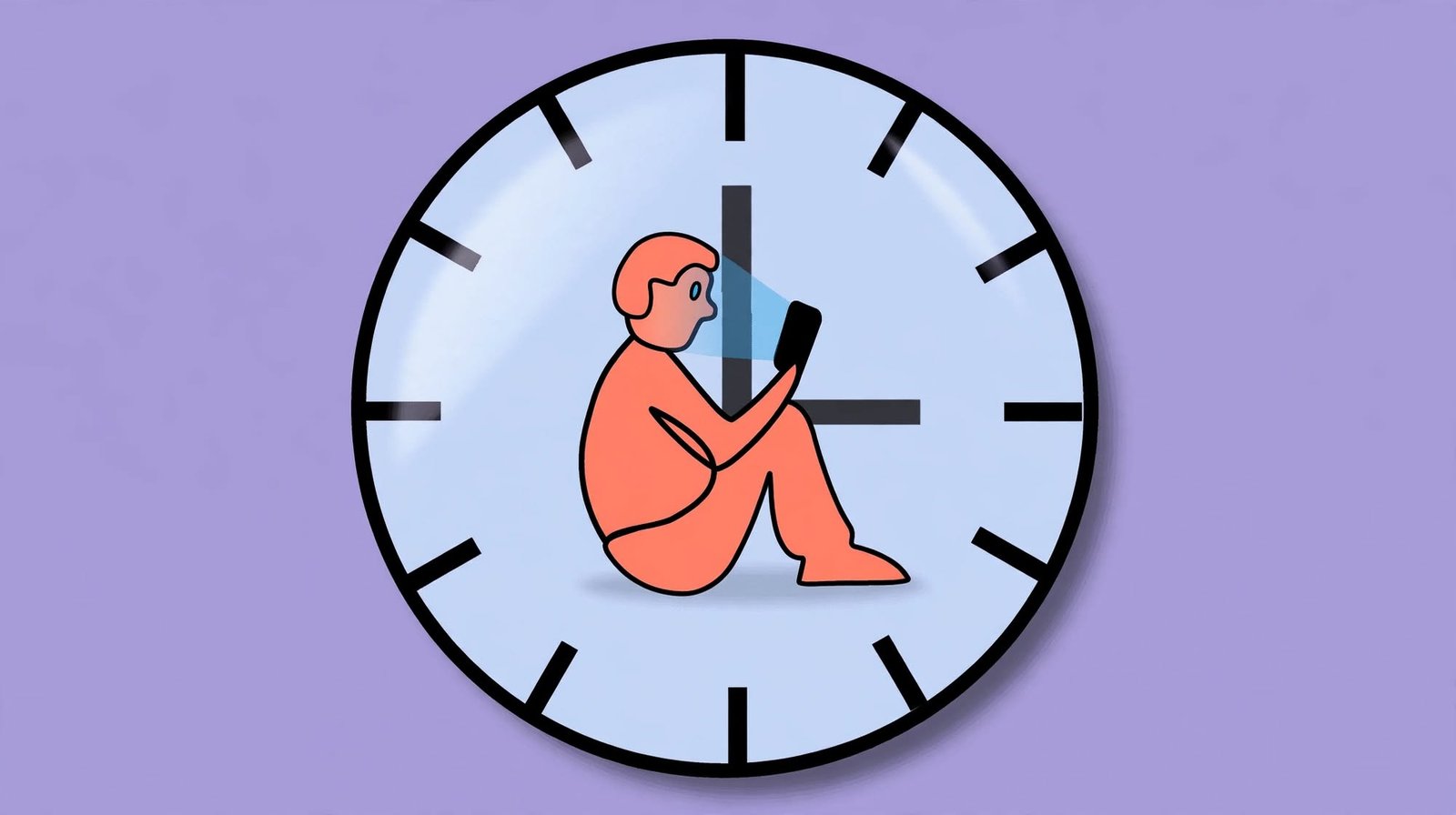
Smartphones have become part of almost every aspect of daily life. They help us communicate, work, shop and stay informed, but constant notifications can also make it harder to concentrate or relax.
A slow living routine might begin with a few small digital boundaries. Try keeping your phone away during meals, switching off unnecessary notifications or avoiding social media for the first 20 minutes after waking up.
You do not need to disconnect completely. The goal is to use technology when it adds value rather than allowing it to occupy every spare moment.
2. Finding Happiness in Everyday Moments

Many people associate happiness with major milestones, expensive holidays or special occasions. However, everyday experiences can also bring a sense of enjoyment and satisfaction.
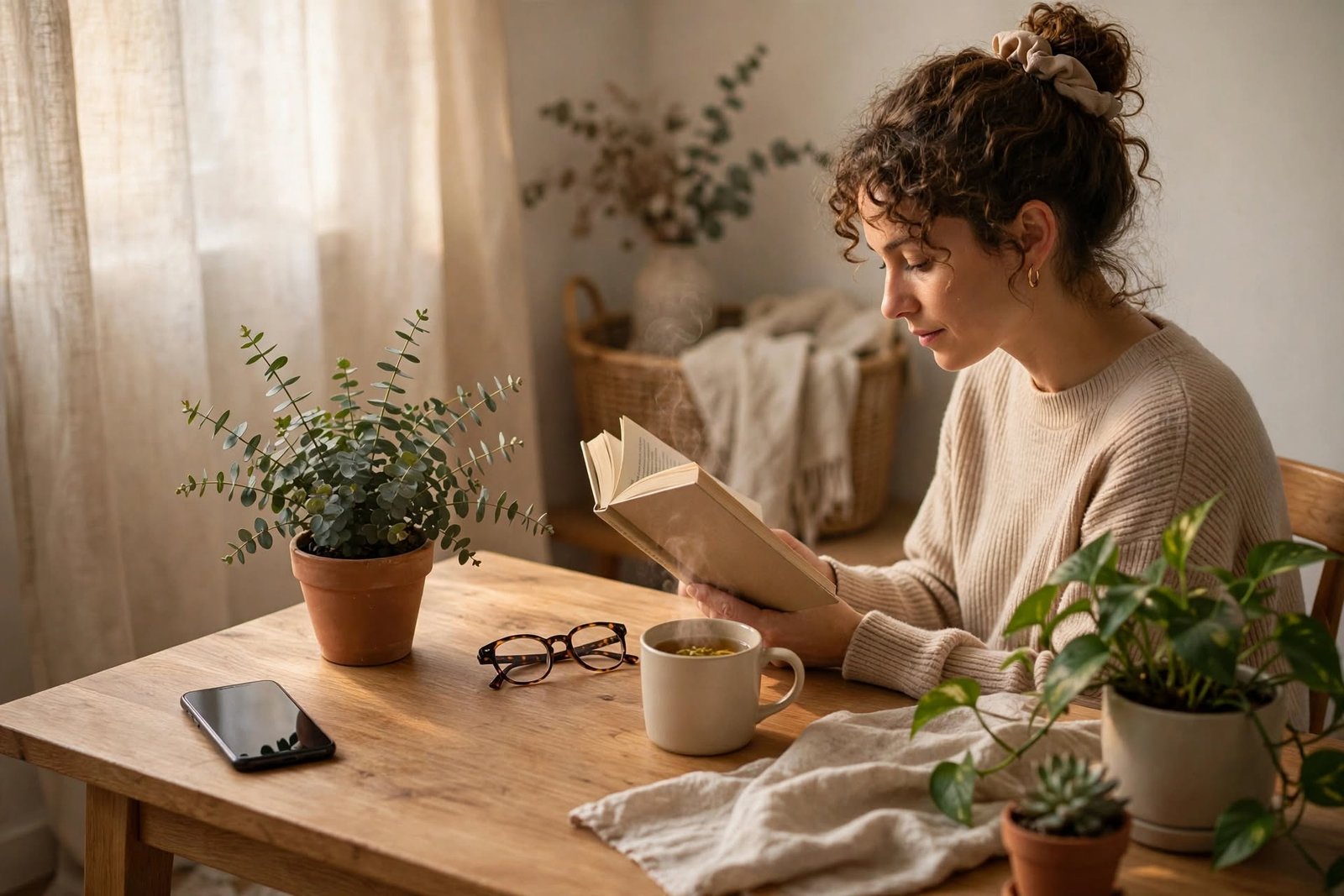
A morning walk, a homemade meal, a conversation with a friend or an evening spent reading can become meaningful parts of your routine.
These moments may seem ordinary, but paying attention to them can help you appreciate your daily life instead of always waiting for something exciting to happen.
Try setting aside a little time each day for an activity you enjoy without feeling the need to photograph it, share it online or turn it into a productivity goal.
3. Creating a More Peaceful Home
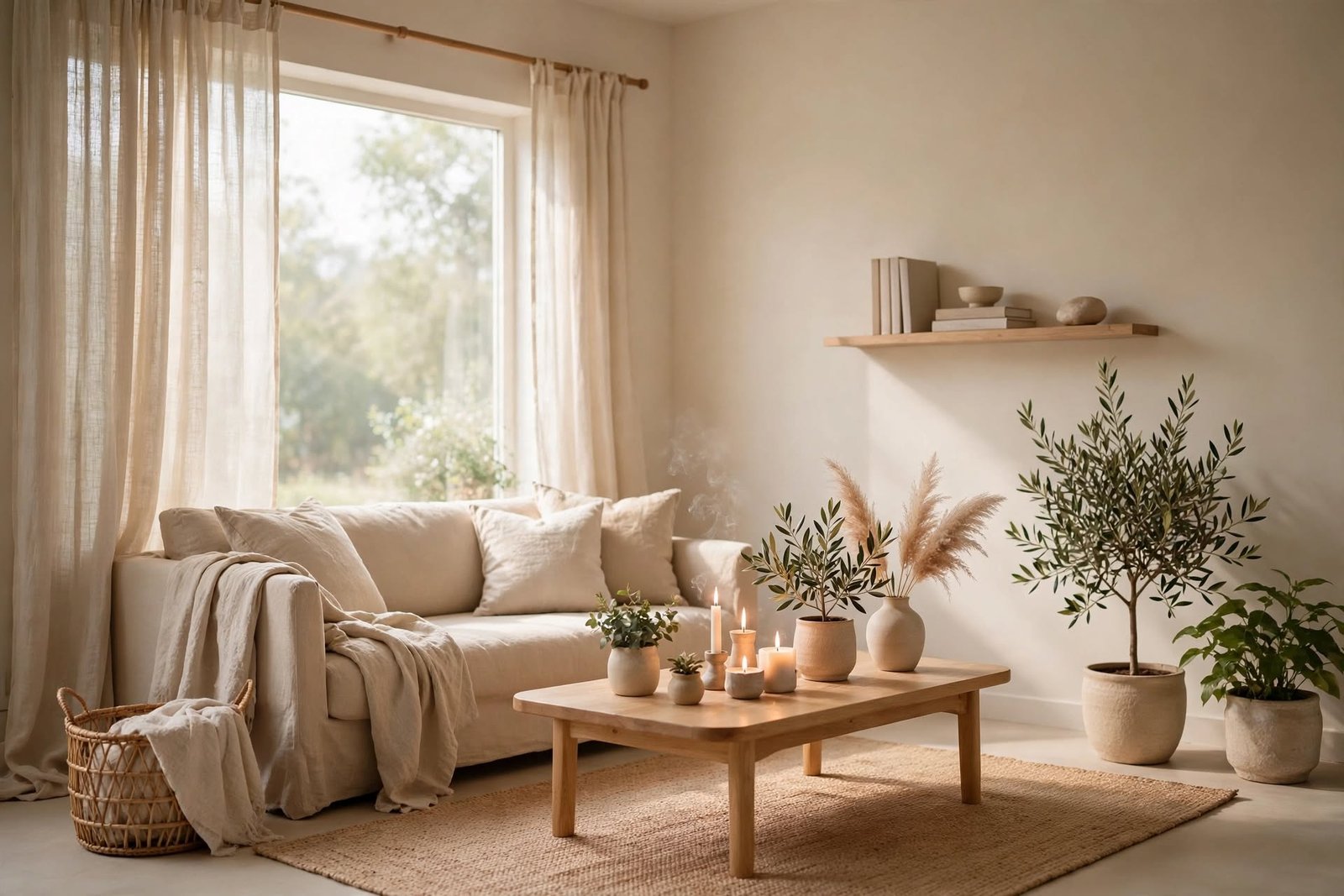
Your surroundings can influence how you feel throughout the day. A crowded schedule combined with a cluttered living space may leave you feeling overwhelmed.
You do not need to spend money on a complete home makeover to create a calmer environment. Start with one small area, such as your bedside table, kitchen counter or workspace.
Natural light, comfortable furniture, a few plants and a tidy room can help make your home feel more inviting.
Slow living also encourages buying more thoughtfully. Before purchasing something new, consider whether you genuinely need it and whether it will add lasting value to your life.
4. Choosing Quality Over Quantity
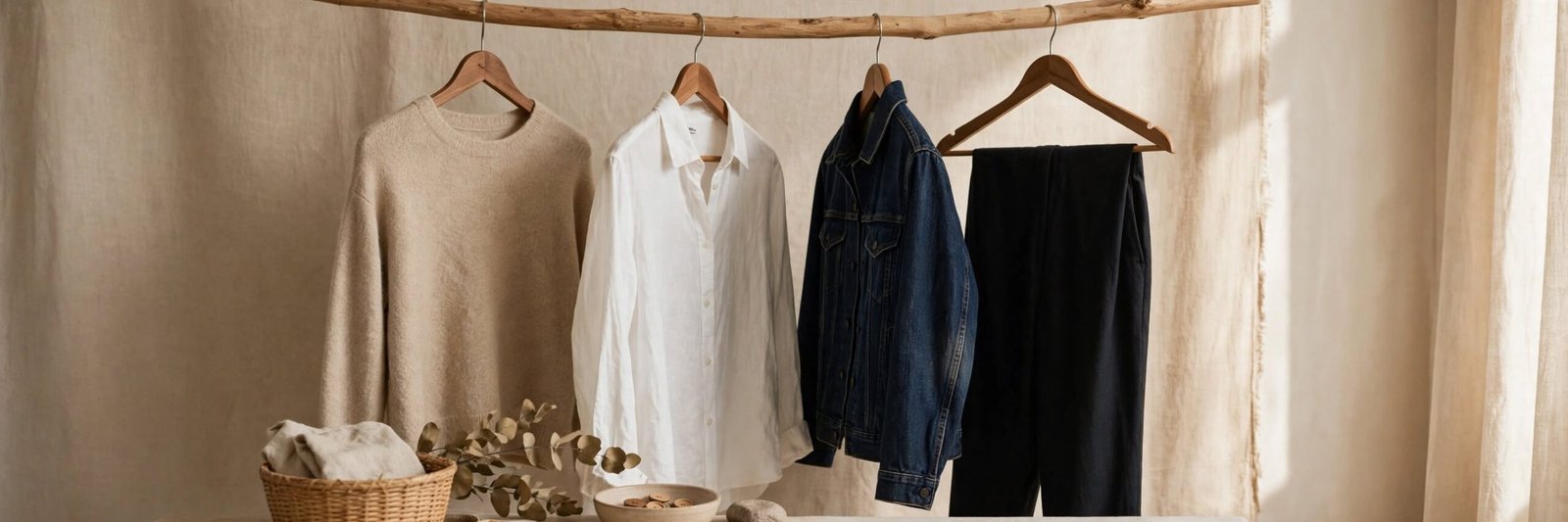
A simpler lifestyle often involves being more selective about how you spend money, time and energy.
Instead of buying clothes simply because they are trending, you might choose versatile pieces that last longer. Rather than filling your weekend with social commitments, you could prioritise spending time with the people closest to you.
This approach does not mean avoiding shopping or social activities. It means making choices based on your preferences instead of pressure from advertising, trends or other people’s expectations.
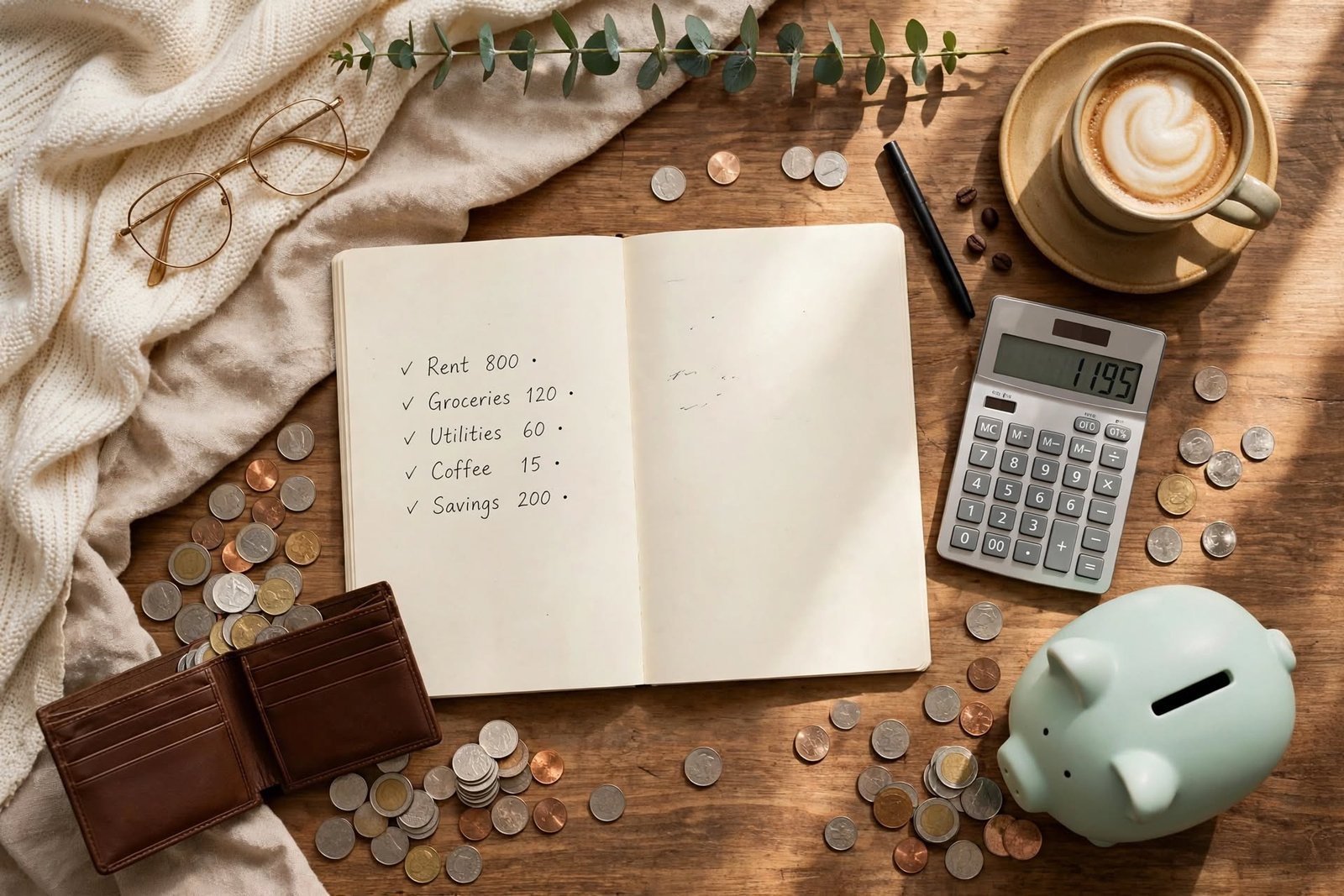
Over time, thoughtful decisions may help reduce unnecessary spending and make daily life feel less complicated.
5. Making Time for Nature

Spending time outdoors can be a simple way to take a break from screens and busy surroundings.
You could walk through a local park, sit in your garden, visit a nearby green space or enjoy a short walk after work. Even a few minutes outside can offer a welcome change of scenery.
You do not need to plan an expensive trip or travel far away to enjoy nature. Small outdoor activities can fit into an ordinary weekday just as easily as a weekend adventure.
6. Building a Routine That Leaves Room to Breathe
One of the biggest challenges of modern life is trying to fit too much into a single day. When every hour is scheduled, even enjoyable activities can start to feel like obligations.
A more balanced routine leaves some room for rest and unexpected changes. You might choose three important tasks for the day rather than creating an unrealistic list of ten.
You can also protect time for hobbies, exercise, family and sleep. Learning to say no to commitments that do not fit your priorities may help you avoid unnecessary pressure.
Remember, a productive day does not have to be a packed day.
How to Start Slow Living Without Changing Your Entire Life
You do not need to adopt every slow living habit at once. Begin with one or two changes that feel realistic for your current circumstances.
For example:
Enjoy your morning drink without checking your phone.
Take a short walk without listening to notifications.
Prepare one simple meal at home.
Set aside 15 minutes for reading or another hobby.
Leave some unscheduled time in your weekend.
Pause before making unnecessary purchases.
Small changes are easier to maintain when they fit naturally into your routine. You can gradually build on them as you discover what works best for you.
Final Thoughts
Slow living is not about escaping modern life or following another lifestyle trend perfectly. It is about creating a better balance between responsibilities, technology, personal interests and rest.
You can have a demanding career, live in a busy city and still make room for a slower, more intentional way of living.
The most important step is to notice where your time and energy go, then decide whether those choices reflect what matters to you.
Sometimes, a better lifestyle does not require adding more to your day. It simply means making a little more room for the things that make life worthwhile.