Connecting nations beneath the waves.
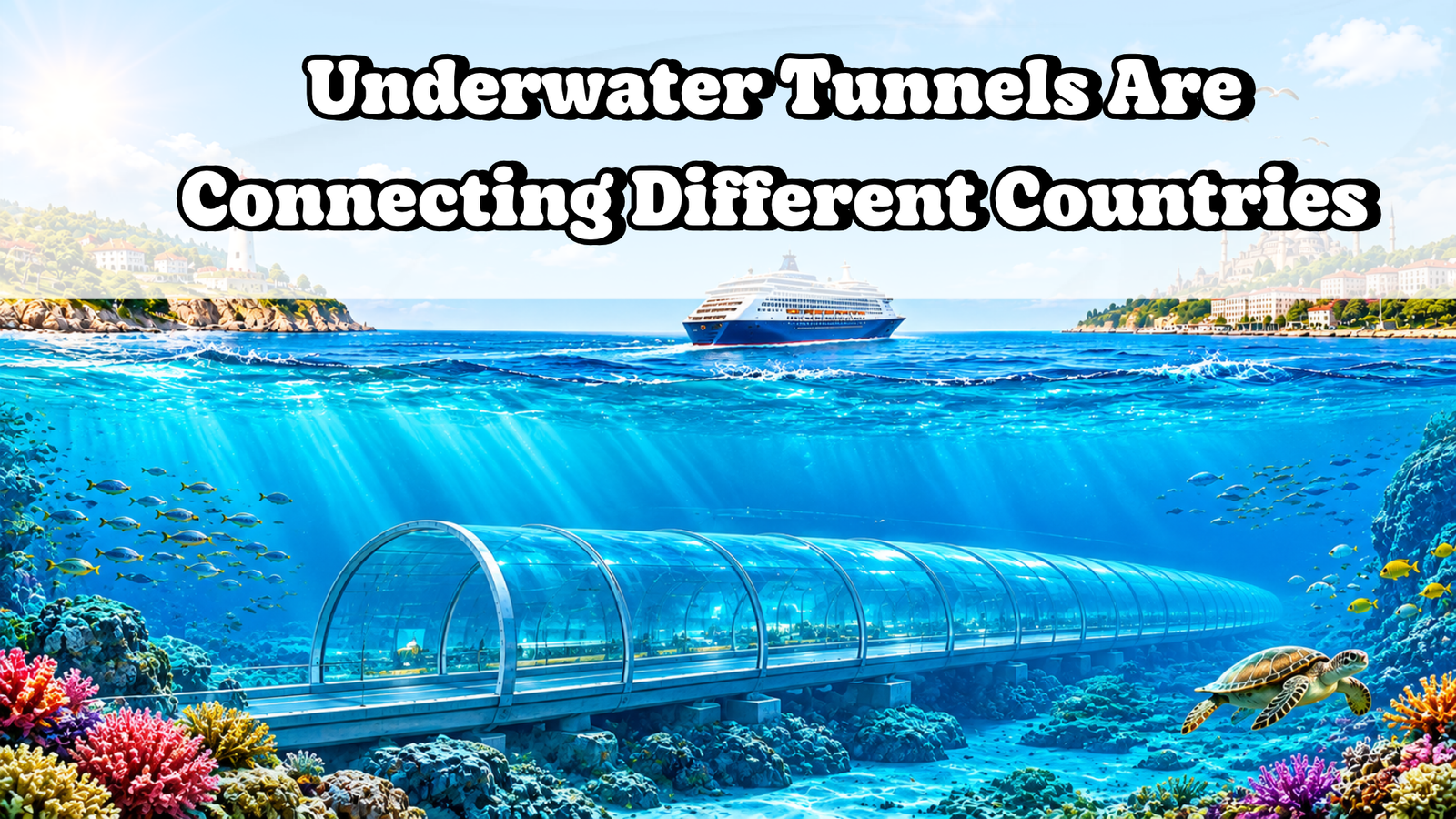
The construction of underwater tunnels is now joining various countries together. Today, subsea tunnels are creating new transport connections between nations by passing beneath seas, rivers and coastal waters. These remarkable engineering structures allow trains and vehicles to cross geographical barriers that once made international travel more difficult.
Underwater tunnels are revolutionising international transportation by making cross-border journeys more convenient and supporting trade between nations. From the famous Channel Tunnel connecting the United Kingdom and France to new infrastructure projects across Europe, these developments are bringing people, businesses and economies closer together.
The Growing Importance of Underwater Tunnels
Until recently, travelling between countries separated by water depended mainly on ships, ferries and aircraft. Although these transport options remain important, they can involve longer journey times, weather-related delays and additional costs. Underwater tunnels provide an alternative by creating direct connections beneath large bodies of water.
These transport links can improve international travel, encourage tourism and make the movement of goods more efficient. As global trade and cross-border connections continue to expand, countries are investing in infrastructure that can overcome geographical barriers and strengthen regional cooperation.
How Underwater Tunnels Are Built Beneath the Sea
Building tunnels beneath the sea requires advanced engineering, careful planning and specialised construction equipment. Some tunnels are created by drilling through rock beneath the seabed using powerful tunnel-boring machines, while others are constructed from prefabricated sections placed into prepared underwater trenches. Engineers must consider water pressure, geological conditions and structural stability throughout the process.
Modern underwater tunnels also include ventilation, drainage, lighting and emergency systems to maintain safe conditions. Advanced monitoring technology helps operators identify technical problems, manage water leakage and maintain structural safety over time. These construction methods have made it possible to develop transport connections in locations that were once extremely difficult to access.
Famous Underwater Tunnel Projects Connecting Countries
One of the most recognised examples is the Channel Tunnel, which connects the United Kingdom and France beneath the English Channel. Opened in 1994, this approximately 50-kilometre railway tunnel includes around 38 kilometres beneath the seabed. It carries passenger trains, freight services and vehicle-carrying shuttles, providing an important connection between the two countries.
Another major development is the Fehmarnbelt Fixed Link, planned to connect Denmark and Germany through an immersed tunnel beneath the Baltic Sea. The project aims to improve road and railway connections between northern Germany and the Danish island of Lolland. These infrastructure developments demonstrate how countries are using engineering innovation to create faster and more direct international transport routes.
Benefits for Travel, Trade and Economic Growth
Underwater tunnels can make international journeys faster and more predictable by reducing dependence on traditional sea crossings. They provide convenient connections for tourists, commuters and businesses while improving access between neighbouring countries. Better transport links can also encourage investment, strengthen regional tourism and create new opportunities for cross-border employment.
International trade can benefit from improved railway and road connections because goods can move more efficiently between markets. Businesses may find it easier to manage deliveries, connect with suppliers and reach customers in different countries. However, the overall benefits depend on how effectively tunnels connect with existing transportation networks and commercial infrastructure.

Environmental Challenges and Construction Costs
Despite their advantages, underwater tunnels involve significant financial and environmental challenges. Their construction requires specialised machinery, detailed geological research and large investments, while projects can take many years to complete. Construction activities may also disturb marine habitats, affect seabed conditions and create underwater noise, making environmental assessments an essential part of the planning process.
Long-term maintenance is equally important because tunnels require regular inspections, drainage management, ventilation and safety monitoring. Engineers must ensure that structures remain stable and protected against water leakage and other technical problems. Countries therefore need to balance transportation benefits with construction expenses, environmental protection and long-term operating costs.
The Future of Global Connectivity Beneath the Sea
The future of underwater tunnels will depend on improvements in engineering, construction materials and digital monitoring systems. More advanced tunnel-boring machines, stronger structural materials and automated safety technologies could make future projects more efficient and reliable. Countries are also exploring transport infrastructure that supports lower-emission travel and improves connections between major economic regions.
Underwater tunnels represent an important development in modern transportation because they overcome geographical barriers and bring countries closer together. From the Channel Tunnel to upcoming international projects, these structures are creating opportunities for tourism, trade and cooperation. As technology advances, travelling between countries beneath the sea could become an increasingly important part of global connectivity.