
How to Reduce Screen Time: 3 Simple Habits for a Better Life
Think about the first thing you do after waking up. For many people, it is reaching for their phone to check messages, notifications or social media. Later in the day, the same device becomes a source of entertainment, work and communication. Before you realise it, hours may have passed while you were scrolling.
Smartphones make everyday life easier, but spending too much time on screens can leave some people feeling distracted or as though they have little time for anything else.
The good news is that you do not need to give up your phone or delete every social media app to develop healthier digital habits. A few simple changes can help you use technology more intentionally and make room for other activities.
Here are seven practical ways to reduce screen time without making your daily routine feel restrictive.
1. Check How Much Time You Actually Spend on Your Phone

Before changing your habits, find out how much time you spend looking at screens.
Most smartphones have built-in features that show daily screen time and app usage. Reviewing this information can help you identify which apps take up the most time.
You might discover that you spend more time watching short videos or checking social media than you expected.
Do not treat the numbers as a reason to feel guilty. Use them as a starting point to decide which habits you would like to change.
2. Avoid Checking Your Phone First Thing in the Morning

Opening social media immediately after waking up can turn a peaceful morning into a stream of messages, news and notifications.
Try keeping your phone away from your bed and giving yourself the first 15 to 30 minutes of the day without scrolling.
Use that time to wash up, prepare breakfast, stretch or plan your priorities. If you need your phone for an alarm, consider placing it across the room so you are less tempted to start browsing.
A phone-free morning is a simple way to create space for yourself before the day’s demands begin.
3. Turn Off Unnecessary Notifications
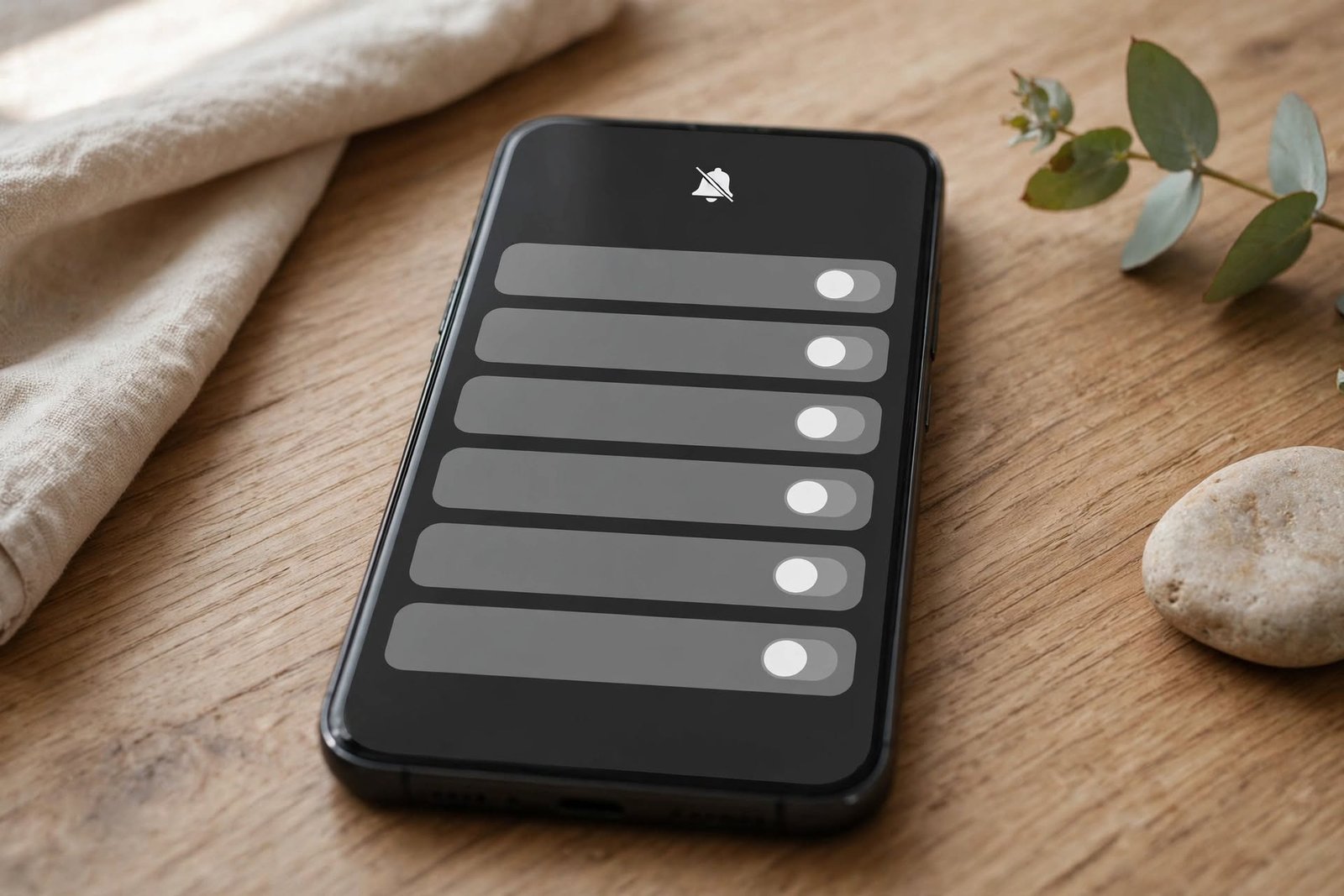
Every notification creates another reason to look at your screen. Even when a message takes only a few seconds to read, repeatedly switching your attention can make it harder to concentrate.
Review your notification settings and turn off alerts that are not important. You might keep calls and essential messages enabled while disabling promotional notifications and non-urgent app updates.
You can also choose specific times to check personal messages rather than responding immediately to every alert.
This allows you to stay connected without feeling as though your phone constantly demands your attention.
Final Thoughts
Reducing screen time does not mean rejecting technology. Smartphones are useful tools, and there is nothing wrong with enjoying social media, videos or online entertainment.
The important thing is to make sure your phone supports your lifestyle rather than taking over time you would prefer to spend elsewhere.
Start with one small change, such as switching off unnecessary notifications or avoiding your phone during meals. Once that feels natural, introduce another habit.
Over time, these simple adjustments can help you become more intentional about technology and create more room for rest, hobbies and real-world connections.
A healthier digital lifestyle is not about spending no time online. It is about making your screen time work better for you.