
How to Manage Daily Expenses: 8 Simple Money-Saving Tips
Have you ever checked your bank balance at the end of the month and wondered where all your money went? You are not alone. From morning coffee and supermarket shopping to transport, subscriptions and online purchases, small expenses can quietly add up.
Managing money does not always mean earning more or giving up everything you enjoy. Sometimes, the biggest difference comes from understanding your spending habits and making a few smarter decisions.
Whether you want to save for a holiday, build an emergency fund or simply feel more comfortable between paydays, learning how to manage daily expenses can help you take better control of your money.
Here are eight practical habits you can start using today.
1. Track Where Your Money Goes

Have you ever checked your bank balance at the end of the month and wondered where all your money went? You are not alone. From morning coffee and supermarket shopping to transport, subscriptions and online purchases, small expenses can quietly add up.
Managing money does not always mean earning more or giving up everything you enjoy. Sometimes, the biggest difference comes from understanding your spending habits and making a few smarter decisions.
Whether you want to save for a holiday, build an emergency fund or simply feel more comfortable between paydays, learning how to manage daily expenses can help you take better control of your money.
Here are eight practical habits you can start using today.
2. Create a Simple Daily Budget

A budget does not need to be complicated. Start by calculating your monthly income after tax and listing your essential expenses, such as rent, groceries, household bills, transport and debt repayments.
Then consider how much you can realistically allocate to savings and personal spending.
You can also set a weekly allowance for flexible expenses. For example, if you decide to spend £50 a week on non-essential purchases, you will have a clear limit to work with.
Choose amounts that suit your actual circumstances rather than following a budgeting rule that does not fit your life.
3. Plan Your Shopping Before You Leave Home
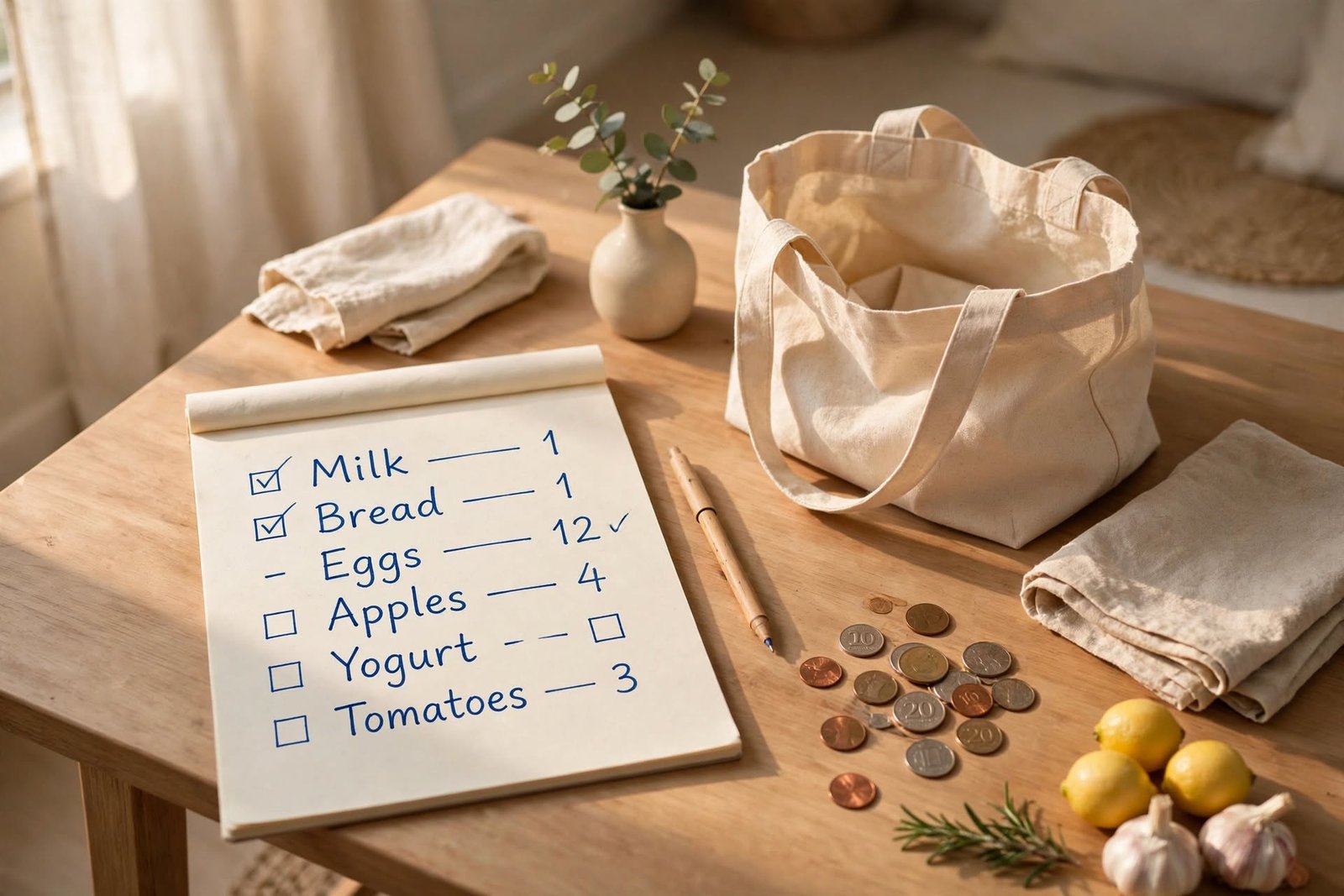
Unplanned shopping can make it easy to spend more than intended. Supermarkets, online stores and promotional offers often encourage customers to buy things they had not planned to purchase.
Before shopping, make a list of what you genuinely need. Check your cupboards and fridge first to avoid buying items you already have.
For larger purchases, compare prices and consider whether the item is necessary right now.
A simple shopping list can help you stay focused and reduce the chances of returning home with unnecessary extras.
4. Be Careful With Small Daily Purchases

A coffee here, a snack there and an occasional takeaway may not seem expensive individually. However, frequent purchases can add up over time.
Imagine spending £4 on an extra purchase every weekday. Over a five-day week, that becomes £20, or roughly £80 over four weeks.
You do not need to stop buying coffee or enjoying treats altogether. Instead, decide which purchases genuinely make you happy and which ones you could reduce without feeling deprived.
Small adjustments can free up money for more important goals.
5. Use the 24-Hour Rule for Non-Essential Purchases

Online shopping makes it incredibly easy to buy something within seconds. Limited-time offers and discounts can also create pressure to make quick decisions.
One useful habit is to wait 24 hours before buying a non-essential item. Add it to your wishlist, leave it in your basket or write it down, then reconsider the purchase the following day.
Ask yourself whether you still want it, whether you can afford it and whether you will actually use it.
For expensive purchases, waiting several days may be even more helpful. This simple pause can reduce impulse buying without preventing you from enjoying things you genuinely value.
Final Thoughts
Learning how to manage daily expenses is not about avoiding every enjoyable purchase or constantly worrying about money. It is about making your spending more intentional and ensuring your money supports the life you want to live.
Start by tracking your expenses, planning your shopping and reducing purchases that do not add much value to your day. Once these habits become familiar, you may find it easier to budget, prepare for unexpected costs and work towards your financial goals.
You do not need to change everything overnight. Choose one habit, try it this week and build from there.
Smart money management starts with small everyday decisions, not big sacrifices.