Smarter Fitness. Healthier Living.
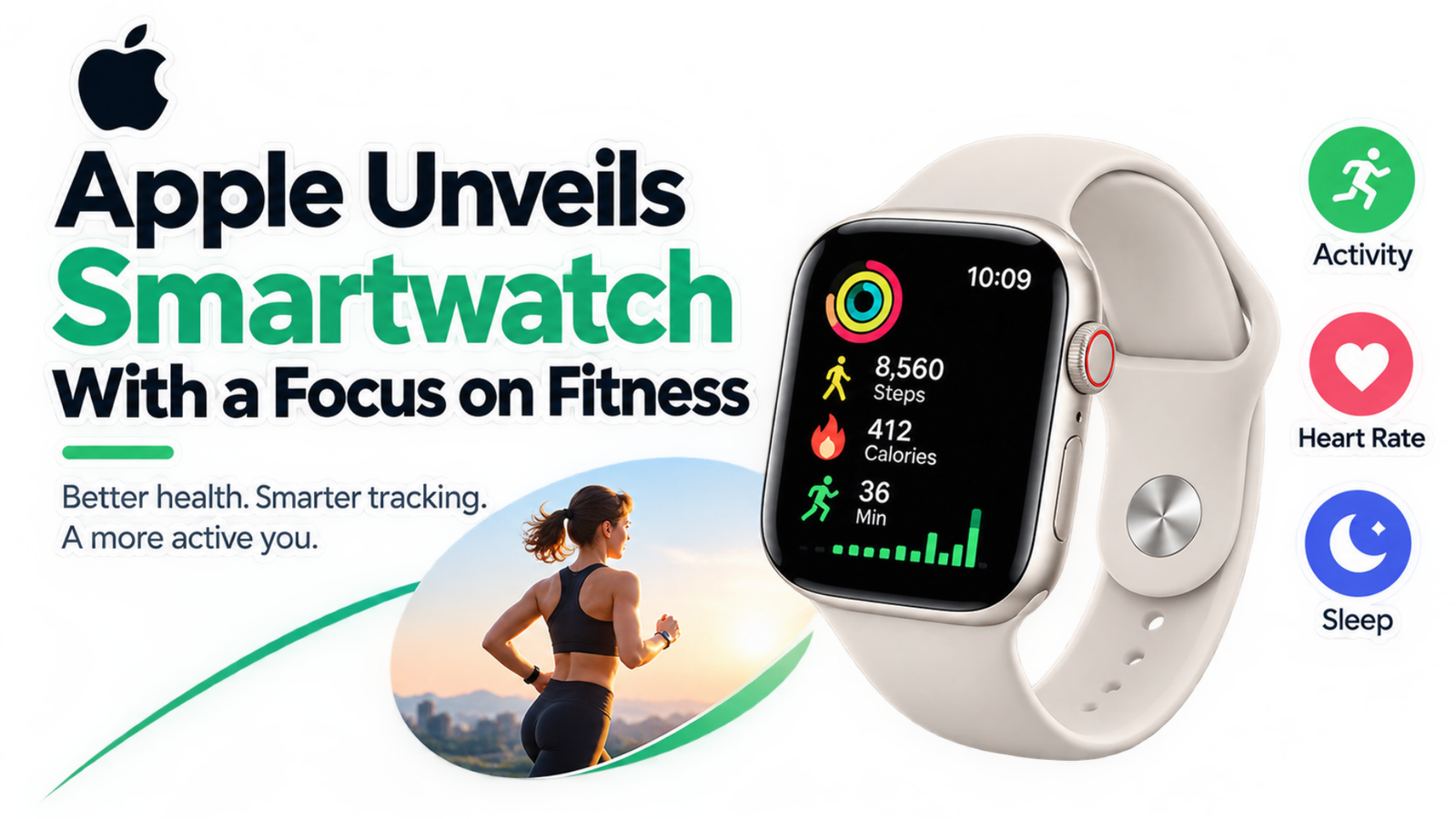
Apple continues to expand its presence in the wearable technology market with smartwatches that combine fitness tracking, health monitoring and everyday convenience. As more people focus on maintaining an active lifestyle, smartwatches are becoming useful tools for understanding daily activity and improving workout routines. Apple’s fitness-focused approach highlights how wearable technology can help users monitor their progress, stay motivated and make more informed decisions about their health.
How Apple Is Making Fitness Smarter
Smartwatches have evolved beyond simple devices for checking the time or receiving notifications. They now offer features that help users track workouts, monitor heart rate, measure daily activity and review sleep patterns. Apple’s fitness features are designed to make these functions easier to access, allowing users to understand their activity levels throughout the day.
By combining health data with personalised activity insights, Apple aims to make fitness tracking a more practical part of everyday life. Whether someone is beginning a new exercise routine or training regularly, a smartwatch can provide useful information about movement, workout duration and overall consistency. These insights can help users recognise their habits and work towards realistic fitness goals.
Key Features for Fitness Enthusiasts
Apple Watch models offer a range of features for people with different fitness interests. Depending on the model, users can access workout tracking, heart rate monitoring, GPS-based activity records and information about their daily movement. These tools can be useful for activities such as running, walking, cycling and strength training, helping users review their performance over time.
Health and recovery features also contribute to the overall experience. Sleep tracking and activity summaries can help users understand their daily routines, while compatible workout features provide additional information during exercise. Battery life, durability and display visibility are also important considerations, particularly for people who spend long periods outdoors or participate in demanding physical activities.
Supporting a More Active Lifestyle
One of the main advantages of fitness-focused smartwatches is their ability to encourage regular movement. Daily activity goals and workout reminders can help users pay more attention to how much they move, especially when they spend long hours sitting at a desk. Tracking progress over several weeks can also make it easier to identify improvements and maintain a consistent routine.
For beginners, these features can provide a simple starting point for building healthier habits. Experienced athletes may find detailed workout records useful when reviewing training sessions and monitoring performance. However, a smartwatch is best used as a supportive tool rather than a replacement for professional fitness guidance or medical advice.
The Role of Technology in Health Monitoring
Wearable technology is changing how people access information about their physical activity. Instead of relying entirely on occasional measurements, users can review selected health and fitness data throughout their daily routines. This information may help them recognise patterns in their exercise, sleep and movement, encouraging greater awareness of their overall well-being.
Apple’s approach reflects the growing demand for connected health tools that are easy to use. By bringing fitness information together on the wrist, smartwatches can make everyday tracking more convenient. Nevertheless, sensor readings are estimates and may not always be perfectly accurate, so users should consider their personal circumstances when interpreting the information.
Why Smartwatches Appeal to Different Users
Wearable technology is changing how people access information about their physical activity. Instead of relying entirely on occasional measurements, users can review selected health and fitness data throughout their daily routines. This information may help them recognise patterns in their exercise, sleep and movement, encouraging greater awareness of their overall well-being.
Apple’s approach reflects the growing demand for connected health tools that are easy to use. By bringing fitness information together on the wrist, smartwatches can make everyday tracking more convenient. Nevertheless, sensor readings are estimates and may not always be perfectly accurate, so users should consider their personal circumstances when interpreting the information.
What to Consider Before Choosing an Apple Watch
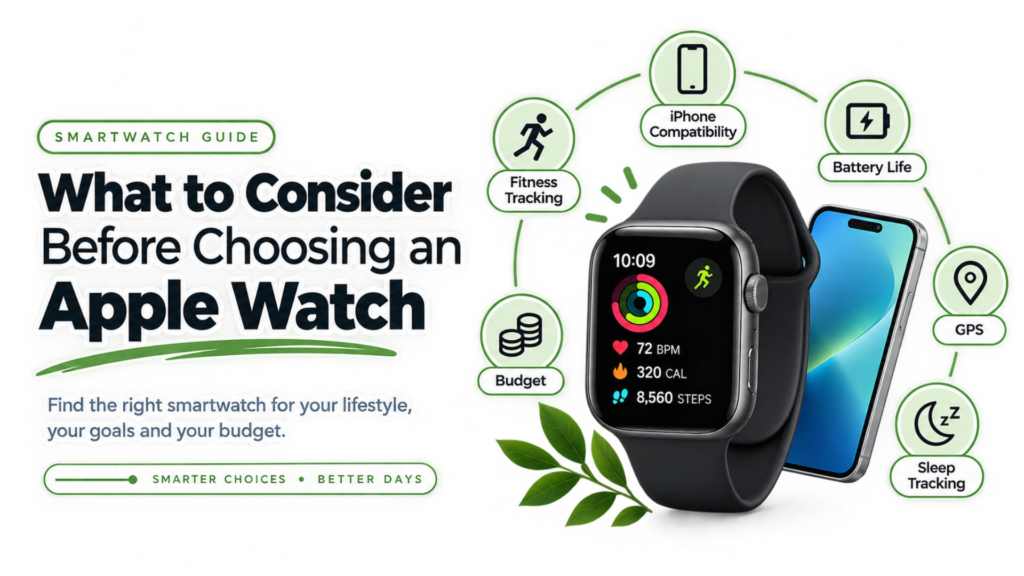
Choosing the right Apple Watch depends on individual needs, preferences and budget. People who mainly want to track daily steps and regular workouts may prefer a model with essential fitness features, while outdoor enthusiasts may prioritise GPS capabilities, durability and longer battery life. Comparing available health features and compatibility can help users select a device that suits their routine.
Battery performance, comfort and ease of use are also worth considering. A smartwatch should fit comfortably during exercise and throughout the day, while its battery should support the user’s typical activities. It is equally important to understand which features are available on each model, as health sensors, workout tools and other capabilities can vary across the Apple Watch range.
The Future of Fitness-Focused Wearables
The growing popularity of smartwatches reflects a wider shift towards personalised technology and digital health awareness. As wearable devices continue to develop, future models may offer more detailed activity analysis, improved sensors and better ways to interpret individual fitness patterns. These improvements could make it easier for users to understand their routines and adapt their exercise habits over time.
Apple’s continued investment in wearable technology demonstrates how fitness has become an important part of the smartwatch experience. By combining activity tracking, health monitoring and connected features, the company serves users who want a more convenient way to stay informed about their daily movement. Ultimately, the value of a fitness smartwatch depends on how effectively its features help people build consistent habits and maintain an active lifestyle.