Build Confidence and Embrace Your Emotions.
There are many unexpected situations, challenges and moments that put people’s patience to the test in life. Some days are happy, some days are successful and yet some days are stressful and disappointing and uncertain. How individuals react to these experiences may affect their self-assurance, relationships and wellbeing. Emotional strength aids in controlling the mind and emotions in an adverse situation.
Emotional strength doesn’t necessarily mean ignoring feelings of sadness, avoiding emotions or pretending they are not there or that it is “all right.” It’s about knowing how to feel, taking on challenges and learning how to act in a healthy manner. There are a number of small daily activities that over time can help individuals to become more emotionally balanced and confident through positive thinking and awareness.
Understanding and Managing Emotions
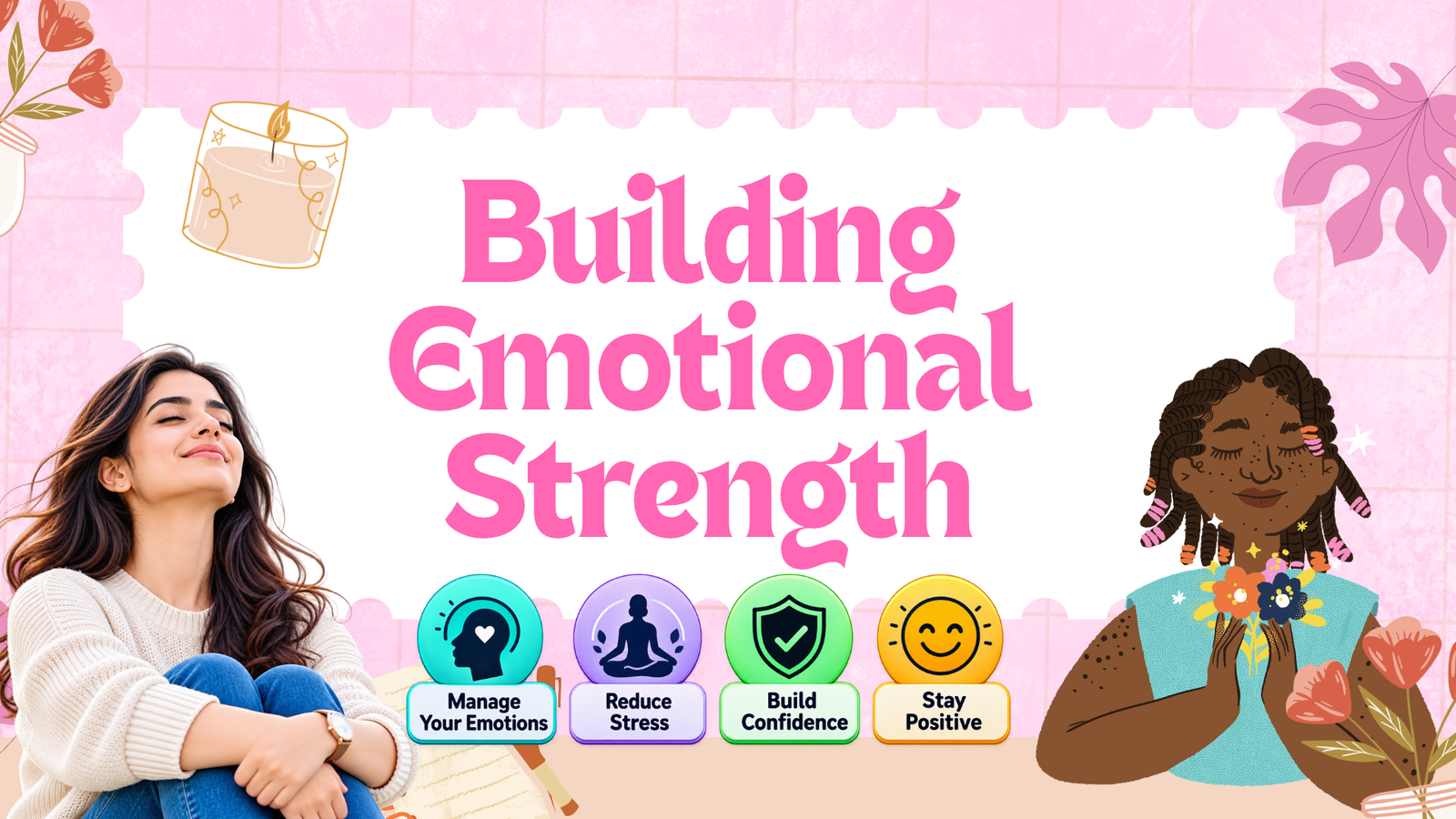
Children can learn to understand and manage their emotions. The first step to emotional strength is to acknowledge your emotions and what is causing them. Individuals feel different feelings throughout the day such as joy, anger, worry, sadness. Learning to acknowledge the emotions rather than suppress them, can help to clarify individual reactions and help with challenging situations.
Self-awareness also enables people to recognize situations which can lead to emotional stress. By being aware of their ‘hot buttons’ they can think more clearly before acting. Developing good emotional control and practicing deep breathing, taking short breaks and keeping healthy routines can be more helpful for individuals to manage stress.
Developing a Positive Mindset
It is crucial to develop a positive mindset. Having a positive attitude can be a gamechanger in the way that people respond to challenging moments. People can also look for potential solutions and ways in which things could be better, rather than just problems. It is not an excuse for avoiding a negative situation, but it is to learn how to handle situations with patience and balance.
Positive thinking also helps individuals to have confidence in their ability to resolve problems. Confidence can be boosted over time through small successes, positive thinking, and attainable objectives. As time goes on, this may enable people to deal with uncertainty without becoming overwhelmed by all the setbacks.
Building Confidence Through Challenges
Challenging times can be an opportunity to learn about being patient, confident, and growing. Rather than thinking that any wrong answer is a failure, a person can see what failed and how he/she can make it right. This attitude also helps you to get on with your life while helping you not lose the confidence when you’re disappointed.
Another helpful method to strengthen the emotions is to have realistic objectives. Small activities or acknowledging individual achievements can promote a sense of achievement. Over time, these experiences can build confidence and comfort in one’s capabilities, and in dealing with new situations.
Creating Healthy Relationships and Boundaries
An emotionally supportive relationship can help you manage emotional issues. Comfort can be obtained during troublesome times by spending time with those who are sympathetic, understanding and respectful of feelings. Honest communication also enables people to share their thoughts without causing any unnecessary tension due to misunderstanding.
It’s also crucial to keep boundaries healthy for emotional health. Individuals need to be aware that they can’t affect other people’s behaviour and expectations. Knowing how to say no when needed and establishing personal boundaries can help to build healthy, balanced relationships.
Practising Self-Care and Patience
One of the components in developing emotional strength is self-care. Activities that provide comfort and happiness can help a person reconnect with him or herself. Another healthy way to break from the everyday tasks is to read, walk, listen to music or spend time outdoors. Good sleep habits and regular exercise can also help keep your emotions in check.
Emotional development takes time – it’s not something that happens in a day. This can sometimes be challenging and sometimes changes may not be visible at once. It can be easier to become more emotionally healthy if you take the process with a grain of salt and be kind to yourself.
The Importance of Emotional Strength in Everyday Life
Emotional strength enables to deal with everyday situations with confidence, patience and understanding. It enables people to understand their emotions, process challenging situations and foster positive relationships. Emotionally strong people do not avoid life’s difficulties, instead they take root in the present moment and learn to view them from a more balanced perspective.
This strength has to be built up over a long period of time and starts with small steps. Knowing how to feel, knowing how to manage stresses, knowing how to build confidence and knowing how to take care of oneself can all help with personal growth. These practices over time can make an individual more resilient, and better able to face change and challenge.