Small Asteroids, Big Questions About Life Beyond Earth.
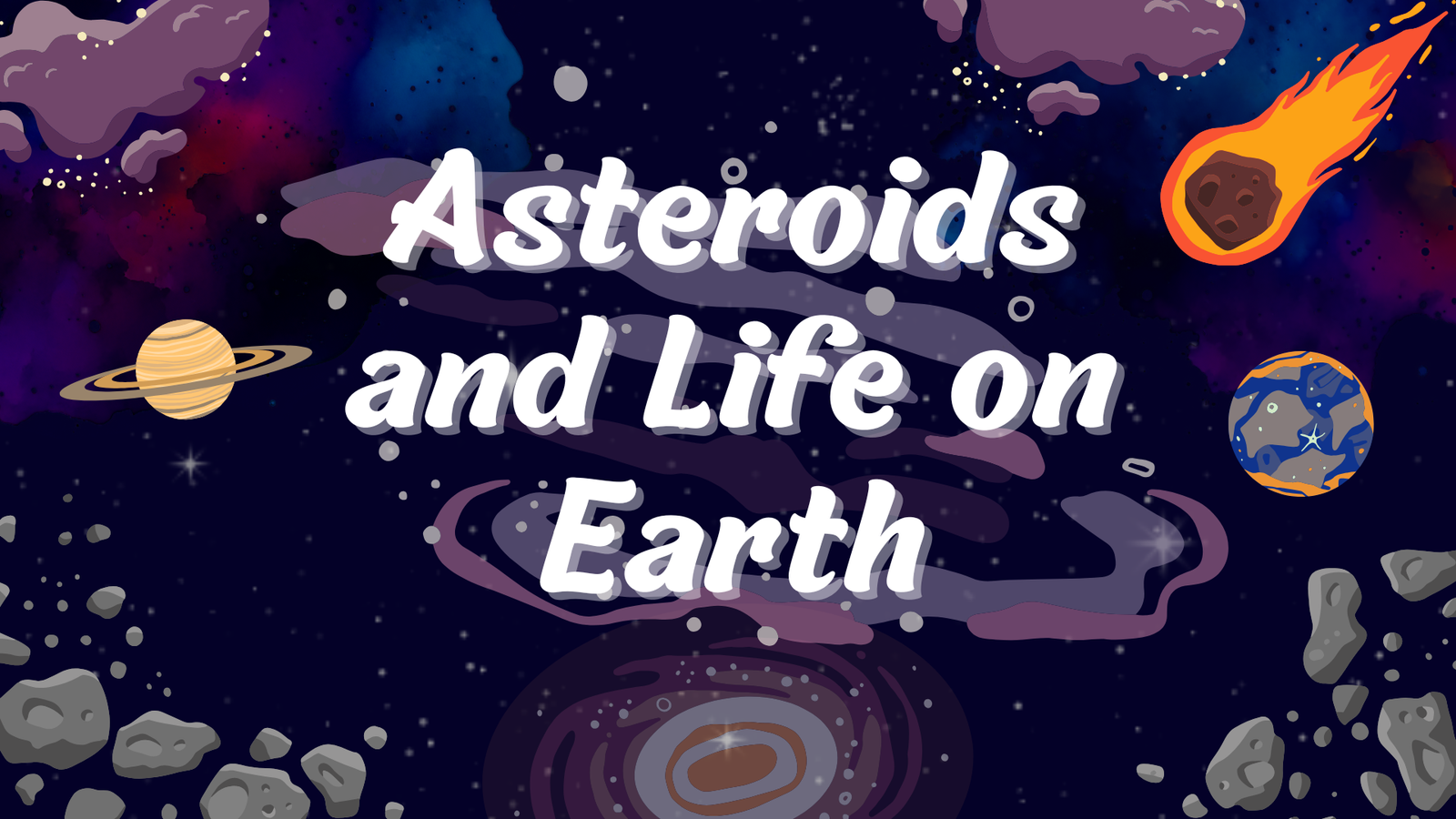
Now, try and picture yourself gazing up at the night sky, and seeing a small object quietly gliding through the galaxy. From millions of kilometres away it looks quite harmless, but some asteroids pack a lot of energy that could be a huge threat when they crash into Earth. The rocks have been orbiting the solar system for billions of years and on some occasions, their orbit brings them near the earth’s orbit.
Major asteroid impacts happen very infrequently, but are a serious concern. If one of these asteroids were large enough, it could have a devastating impact on cities, make for strong earthquakes, tsunamis and even affect climate change on Earth. Knowing about these objects in space, recognizing any dangers and finding methods to prevent space collisions that could harm life on Earth have become critical components of the protection of life on Earth.
What Is So Harmful About Asteroids?
Asteroids are tiny planets that are made of rock or metal, that remain from the birth of the solar system, about 4.6 billion years ago. They are mostly located in the asteroid belt between the orbits of Mars and Jupiter but gravity can alter their orbits and propel them towards the inner Solar system. Some of these objects pass near the earth’s orbit making them important objects to be observed from a scientific standpoint.
Danger varies according to a number of factors such as the size, speed, composition and impact site of an asteroid. A lot of energy can be released when an object is traveling at high speed, even if it’s a small object. Bigger asteroids have the potential to cause devastation on a much greater scale, in a region or indeed the wider environment.
How Asteroid Impacts Could Affect Earth
On entering the Earth’s atmosphere, an asteroid moves very fast. Sometime smaller pieces break up or burn up before hitting the ground, but larger pieces of objects can make it to the ground, and hit with great force. These collisions can generate high temperatures, high impact forces and debris, which will crush buildings, roads and other structures.
One more dangerous threat may be caused by an asteroid’s impact in the ocean. It may result in high impact and velocity waves which can affect coastal communities, ports and nearby ecosystems depending on the size and impact location. The environment damage may also impact activities such as fishing and shipping, but the impact of a tsunami would vary according to the specific conditions.
How Asteroids Could Change Earth's Climate
Certain of the biggest threats that can arise from the impact of a very large asteroid is its effect on the worldwide climate. If a very large object hits the surface of the Earth it can lift dust, rock fragments, etc., into the air. So if there’s enough material still suspended it can have an impact on the amount of sunlight getting to the planet for a longer period.
This decrease in the sun’s radiation may impact on the rainfall, growth of vegetation and temperatures. Agricultural production could decrease, resulting in food shortages and ecosystem and human community stress. The effects would be dependent on the size/location of impact, and the quantity of material that would be thrown into the atmosphere.
What History Teaches Us About Asteroid Impacts
There is no doubt that the impact of asteroids can alter the face of the earth, as there is in the earth’s past. The best known is the Chicxulub impact about 66 million years ago near the site where the Yucatan Peninsula is today, Mexico. The great collision is believed to have caused the extinction of the non-avian dinosaurs and over 75% of the species of the time.
The impact released a huge amount of energy, and had significant environmental consequences which impacted the global population. It shows how one astronomical event can have an impact of entire planet. This is an event that is very unusual, but provides clues to scientists why asteroids should be monitored.
How Scientists Detect and Prevent Asteroid Threats
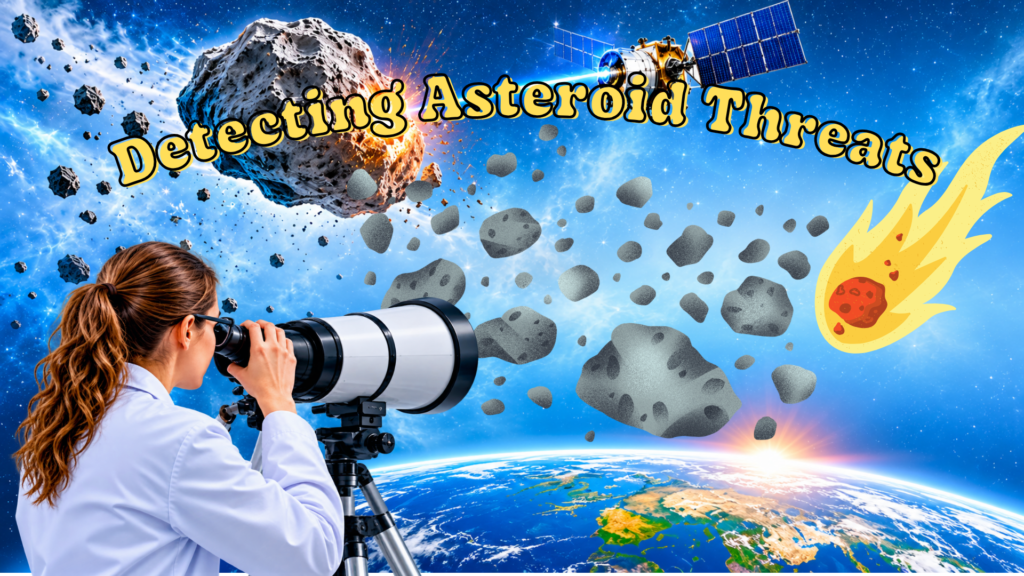
Experts use the big telescopes, radar and sophisticated computer programs to detect asteroids that fly past the Earth’s orbit. The study of their position over time can help determine their speed, direction and future movement. The Center for Near-Earth Object Studies is responsible for tracking known NEOs and estimating the impact threat to Earth by NASA. Early detection enables researchers to gain more understanding of potentially dangerous objects as well as be better prepared in terms of response.
An effort to alter an asteroid’s orbit before it hits Earth is also under way. In 2022, NASA’s Double Asteroid Redirection Test (DART) mission experimented with this possibility, by crashing a spacecraft into the asteroid moonlet Dimorphos, which altered the period of its orbit around the asteroid Didymos. In this experiment some evidence was provided that asteroid deflection may be a useful planetary defence tool.
Why Planetary Defence Matters for the Future
The international cooperation, science and continual monitoring is needed to protect Earth from asteroid impacts. Astronomical organizations are trying to better the technology to detect them, and to share astronomical information and build new technologies that may stop future collisions. As of now, no asteroid of more than 140 metres in diameter is known to have a significant chance of colliding with Earth in the next 100 years, and that is why it is important to keep monitoring them, NASA reports.
Asteroids are part of our solar system, and the way they move, reminds us that planet Earth lives in an environment with consequences of cosmic events. Although such a collision is highly improbable, planetary defence is still a scientific priority due to the potential impact a major collision may have. Through improved observation, space technology and collaboration amongst countries, scientists are making great efforts to be better prepared for whatever approaches from space.