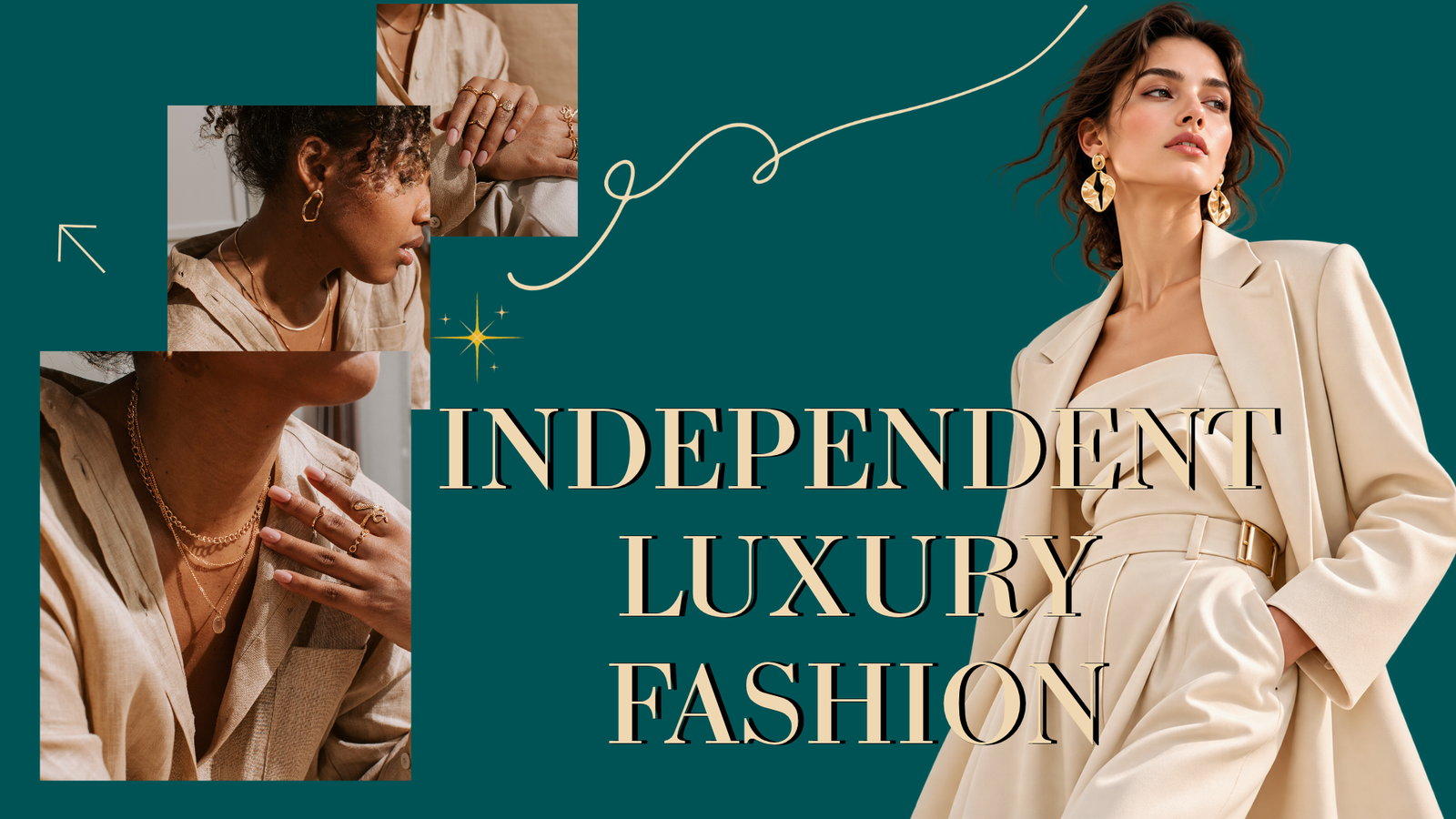
True luxury lies in individuality and timeless elegance.
For years, luxury fashion has been dominated by renowned fashion houses known for their heritage, craftsmanship and exclusive designs. These established brands have strongly influenced the meaning of luxury and shaped the fashion industry. However, the fashion landscape is gradually changing as independent luxury labels gain attention through fresh concepts, unique designs and creative approaches to modern fashion.
Smaller fashion brands are developing their own identity in an industry traditionally dominated by major designers. From carefully crafted clothing to limited-edition accessories, these labels are attracting consumers who value individuality, creativity and authenticity. Their growing popularity reflects a new direction in luxury fashion, where personal style is becoming just as important as brand recognition.
A New Era of Luxury Fashion
For decades, luxury fashion has been closely associated with internationally recognised fashion houses. Today, independent designers are challenging this traditional approach by introducing fresh creative ideas, unusual cuts, distinctive fabrics and original designs. Their collections offer a different perspective on luxury and allow fashion enthusiasts to explore styles beyond established designer names.
These emerging labels often bring together personal creativity and artistic influences to create distinctive collections. Rather than simply following existing fashion trends, they focus on developing their own design identities. This approach is making the luxury fashion industry more diverse and giving smaller designers opportunities to reach new audiences.
Social Media Expands Brand Visibility
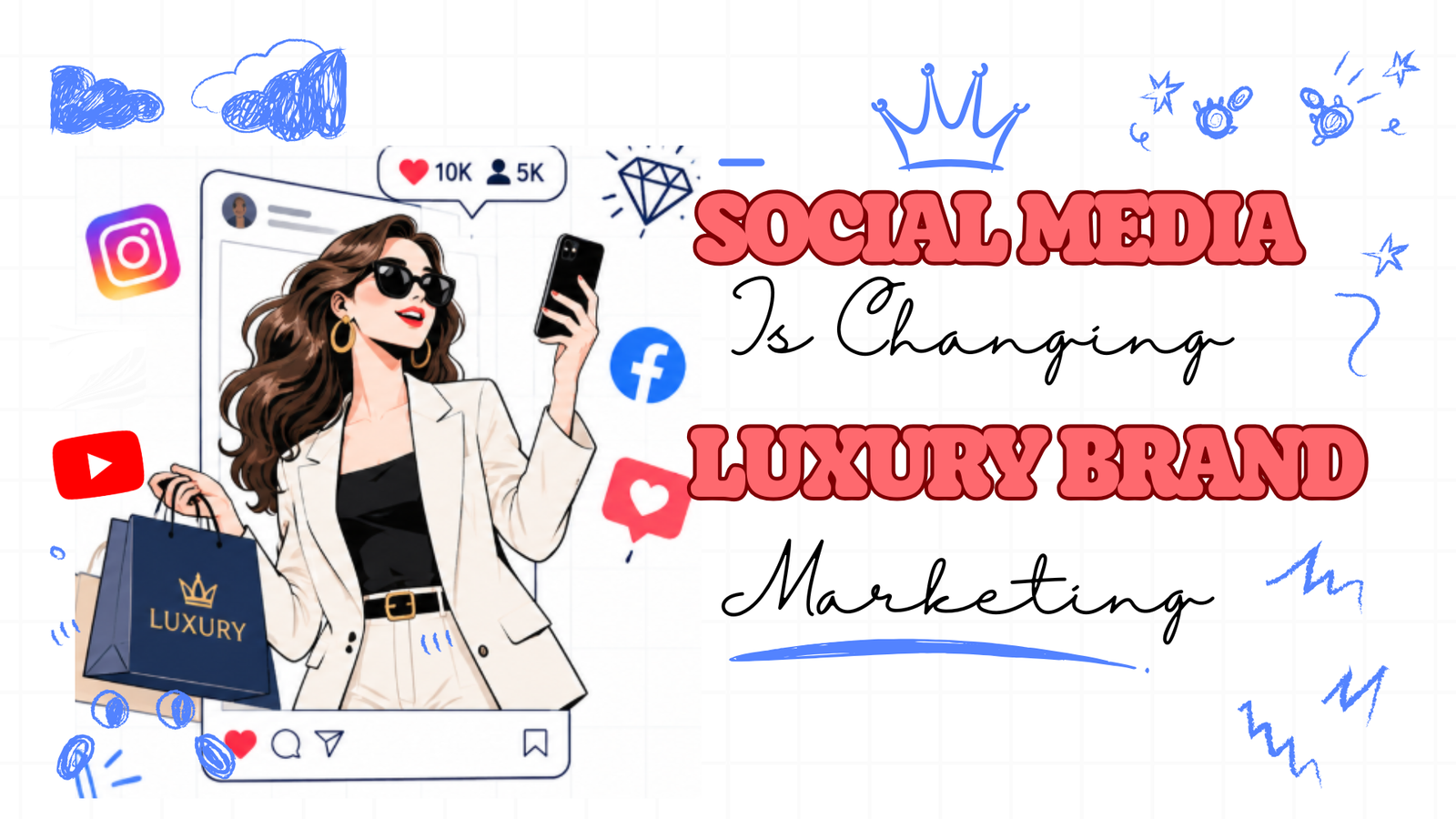
Social media has become an important platform for independent luxury fashion labels. Instagram, TikTok and Pinterest allow smaller brands to showcase their collections, connect with fashion enthusiasts and reach international audiences without depending entirely on traditional advertising. Creative campaigns and behind-the-scenes content also help designers communicate their brand stories.
Fashion creators and influencers are further supporting the growth of emerging labels through styling videos, product features and personal recommendations. Their content introduces independent designers to new audiences and helps build customer interest. As a result, social media is making it easier for smaller luxury brands to establish recognition and develop direct relationships with consumers.
Individuality and Unique Designs
Modern consumers are increasingly interested in fashion that reflects their personalities and individual preferences. Instead of choosing products only because of a famous brand name, many people are exploring designs that feel distinctive and meaningful. Independent luxury labels respond to this demand by offering original collections with creative details and different design influences.
Some brands focus on minimalist clothing, while others experiment with bold designs, artistic prints and unconventional accessories. Limited-edition collections can also create a sense of exclusivity among customers. This focus on individuality allows people to develop their own fashion identities rather than simply following widely recognised trends.
Quality and Sustainable Fashion Choices
Craftsmanship remains an essential part of the luxury fashion experience. Independent designers often pay close attention to fabric selection, construction techniques and finishing details to maintain the quality of their collections. Their smaller production approach can also provide more opportunities to focus on individual products and create designs that offer lasting value.
Sustainability is another factor influencing independent fashion labels. Some designers are exploring recycled fabrics, responsibly sourced materials and smaller production quantities to reduce unnecessary waste. Consumers are also becoming more interested in understanding how their clothing is made. This growing awareness encourages brands to communicate more openly about their materials, production methods and creative processes.

Challenges for Independent Designers
Despite their growing popularity, independent luxury fashion labels face several challenges when competing with established fashion houses. Larger brands often have greater financial resources, stronger marketing budgets and wider distribution networks. For emerging designers, gaining visibility and attracting loyal customers can therefore require considerable time and investment.
Managing production costs, finding reliable suppliers and maintaining consistent quality are also important concerns. As independent brands expand into international markets, they must balance business growth with the creative identity that makes their collections distinctive. Overcoming these challenges is essential for building a strong and sustainable position in the luxury fashion industry.
The Future of Independent Luxury Labels
The growing interest in independent luxury fashion suggests that the industry is moving towards a more diverse creative environment. Established fashion houses will continue to influence global trends, but emerging designers are introducing fresh perspectives and expanding the meaning of luxury. Their focus on originality, craftsmanship and personal expression is creating new opportunities within the market.
Digital platforms and changing consumer preferences are likely to support the continued growth of independent labels. As more customers explore alternatives to traditional luxury brands, smaller designers may become an increasingly important part of the fashion landscape. The future of luxury fashion will not depend only on brand recognition, but also on creativity, quality and the unique identity behind every collection.