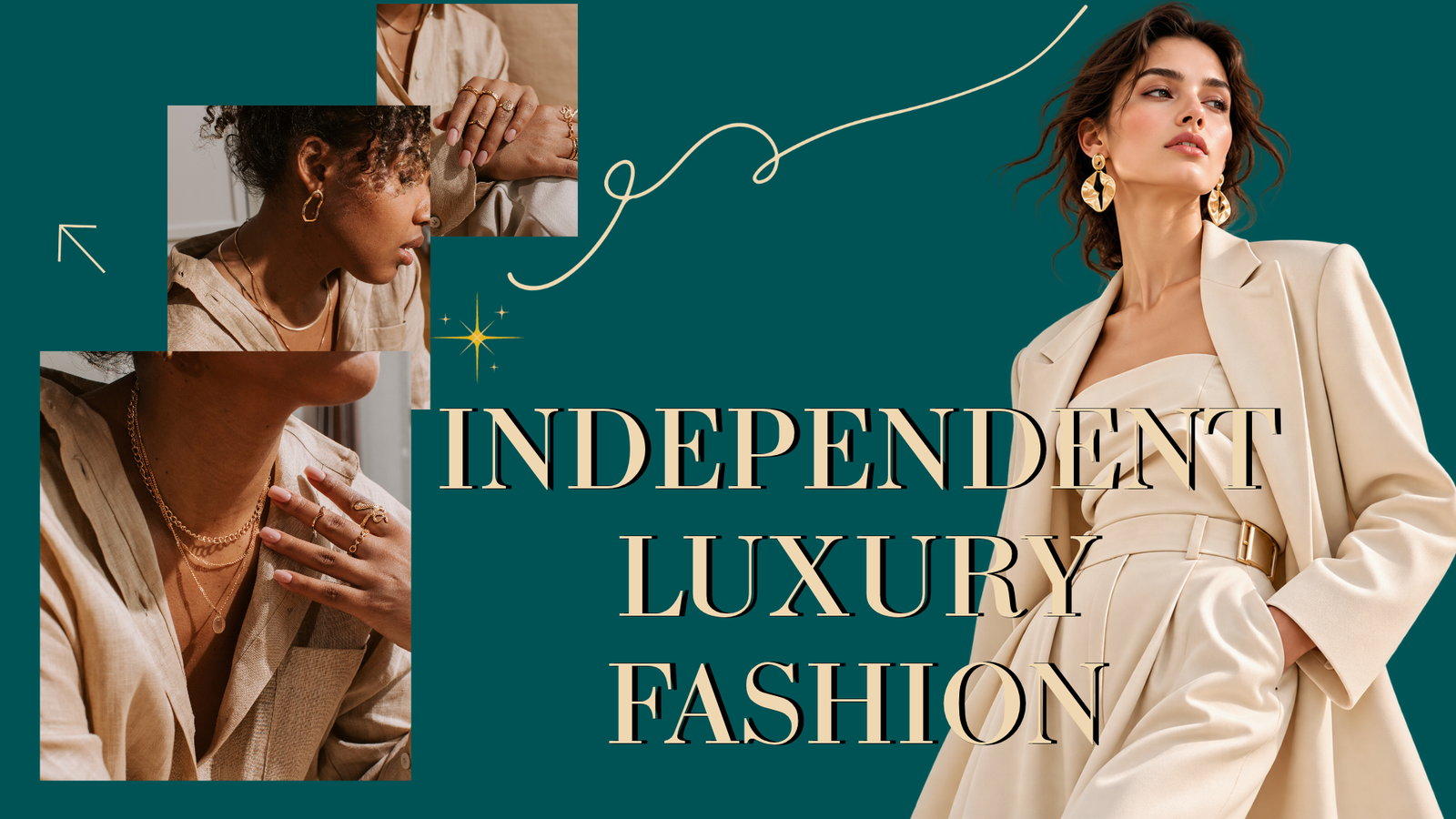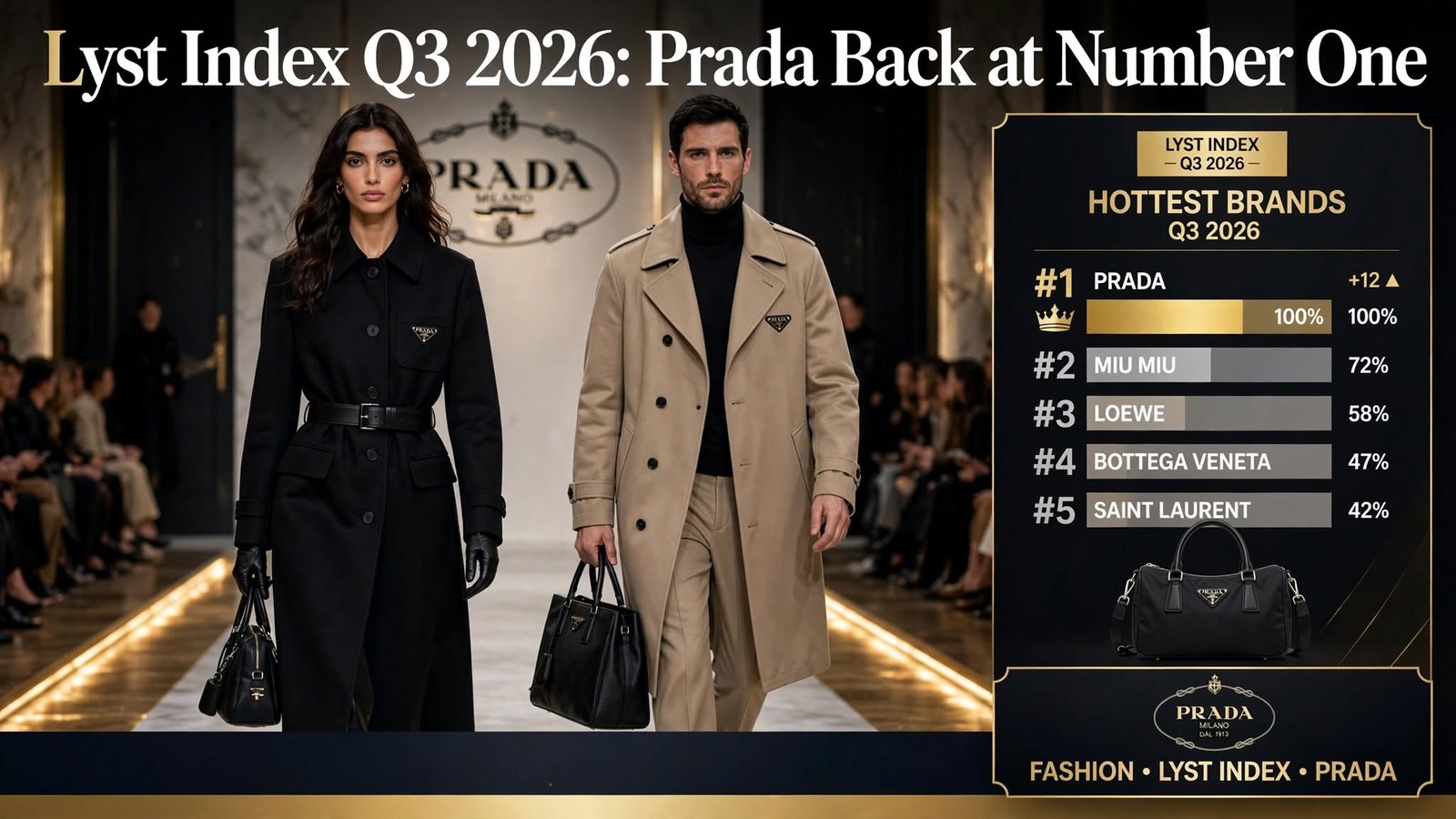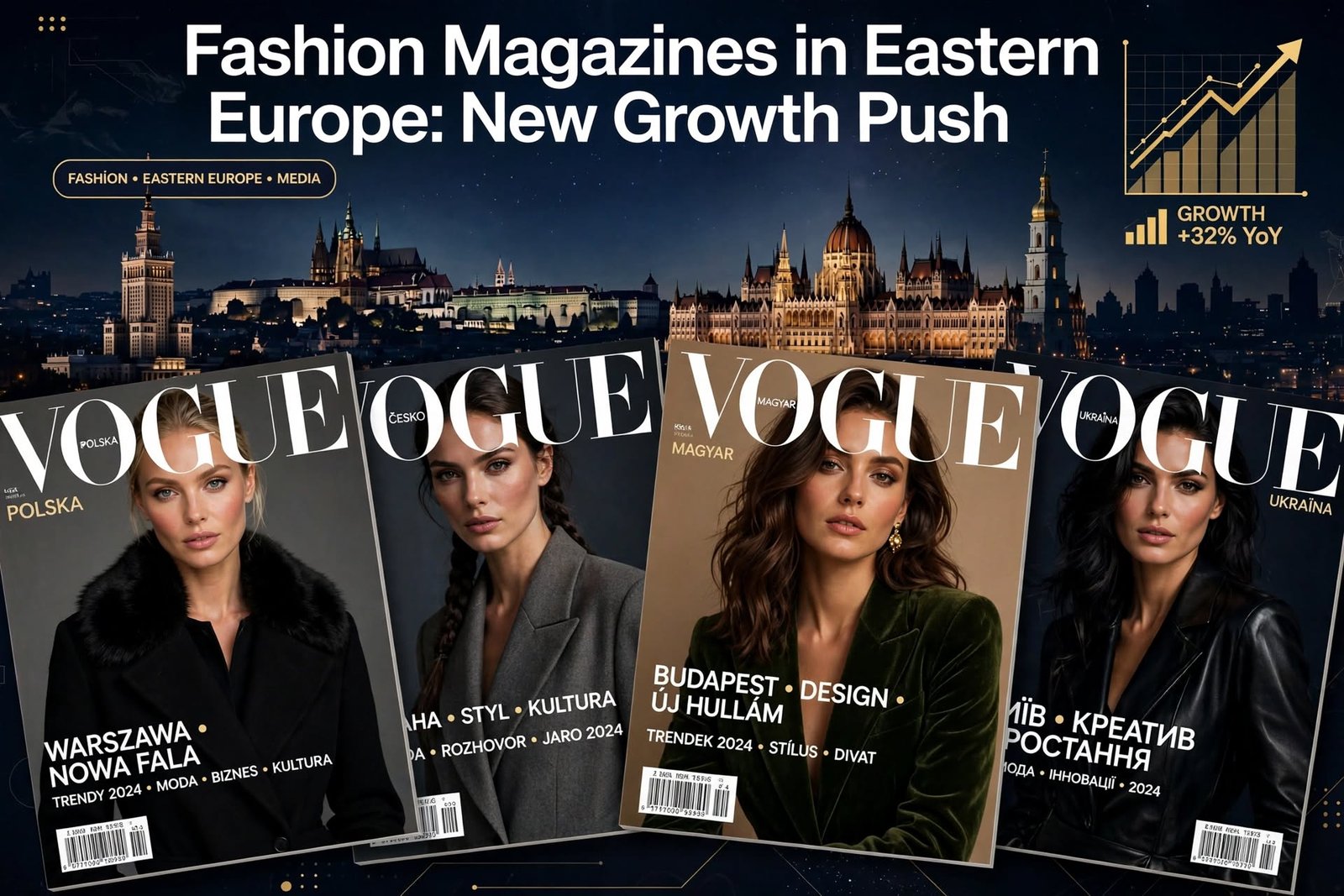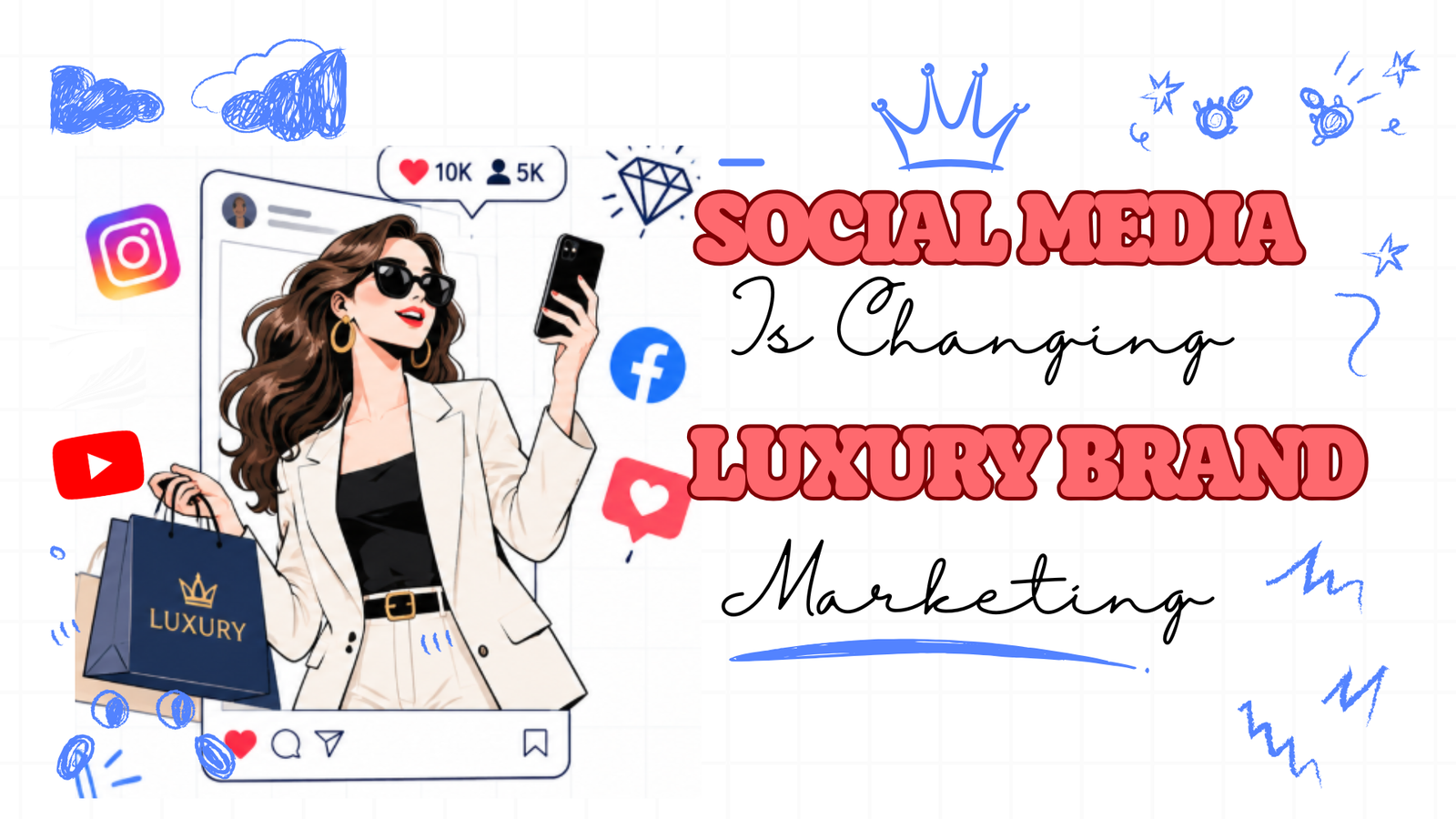
Social media turns luxury into a powerful digital experience.
In the past, luxury brands were always associated with exclusivity, quality and a powerful identity. For many years, these brands connected with their audiences through fashion shows, magazine advertisements and celebrity endorsements. Today, social media has transformed this approach. Platforms such as Instagram, TikTok and Pinterest have become important channels where luxury brands showcase their collections, share their stories and attract new customers.
A single post, fashion campaign or influencer collaboration can introduce a luxury product to millions of people within a short time. Consumers are no longer just observers of advertisements. They interact with brands, express their opinions and take part in the marketing process. This has made digital visibility and customer relationships increasingly important in modern luxury brand marketing.
The Rise of Digital Luxury Marketing
Luxury marketing was traditionally focused on exclusive stores, premium magazines and carefully planned advertising campaigns. Brands controlled how their products were presented and relied on traditional media to maintain their image. Social media has introduced a more direct approach to communication, allowing luxury brands to share their collections and creative ideas with audiences around the world.
Platforms such as Instagram and TikTok make it easier for brands to introduce new products, showcase fashion collections and communicate their identity. Through photographs, short videos and behind-the-scenes content, customers can discover luxury fashion without visiting a physical store. This has made digital platforms an essential part of modern luxury marketing.
Influencers and Visual Brand Promotion
Influencers have become an important part of luxury brand marketing. Fashion creators, celebrities and digital personalities regularly showcase designer clothing, accessories, beauty products and lifestyle experiences to their followers. Their content helps luxury brands connect with audiences through familiar faces and personal recommendations. Smaller creators also allow brands to reach specific communities interested in particular fashion styles and luxury products.
Visual content is equally important because luxury brands depend heavily on product presentation. Instagram and Pinterest provide spaces to showcase fashion collections, jewellery, watches and luxury accessories through photographs and videos. Creative campaigns and visual storytelling help customers understand the inspiration behind products while allowing brands to maintain a consistent identity.
Connecting With Younger Audiences
Younger consumers are increasingly discovering luxury brands through digital platforms. Instead of relying only on fashion magazines or traditional advertisements, many people explore designer collections through social media posts, influencer recommendations and online conversations. This has encouraged luxury brands to create content that feels more relevant and appealing to younger generations.
Brands can introduce modern campaigns, collaborate with digital creators and publish content based on current interests. Social media also helps businesses understand changing customer preferences and connect with different age groups. However, maintaining a sense of exclusivity remains important because luxury brands need to balance wider visibility with their established image.
Online Communities Influence Buying Decisions
Social media has created online communities where people discuss fashion trends, compare products and share personal experiences. These conversations can influence how consumers view luxury brands and which products attract their attention. Customer reviews, comments and shared photographs have also become important sources of information for potential buyers.
For luxury brands, these communities provide opportunities to understand customer interests and build stronger relationships. Responding to comments, sharing user-generated content and interacting with followers can make customers feel more connected to a brand. These interactions also help businesses understand how their products are received and what their audiences expect.
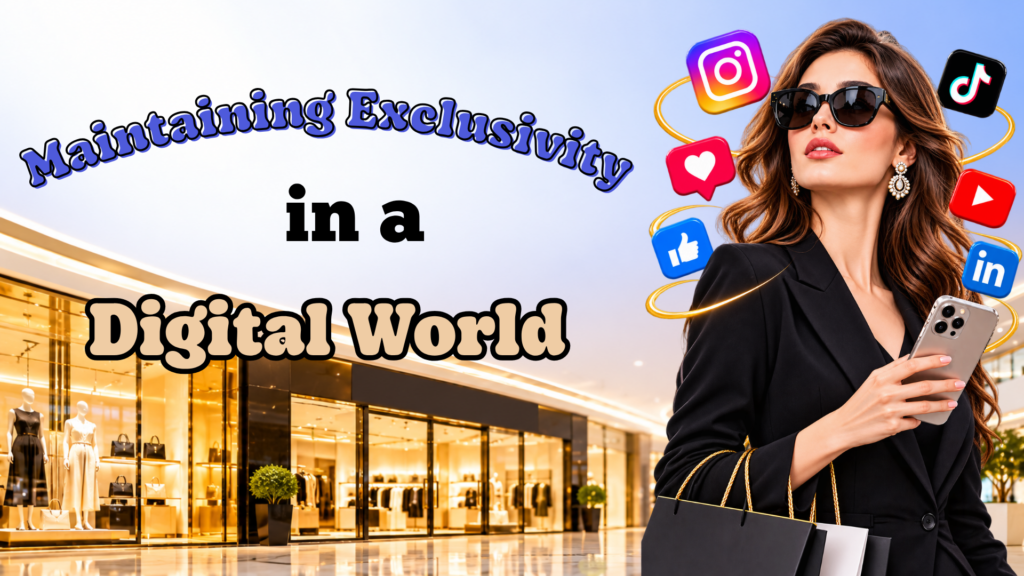
Maintaining Exclusivity in a Digital World
Although social media offers greater visibility, it also creates challenges for luxury brands. Luxury products are often associated with rarity, craftsmanship and exclusivity. When brands become visible everywhere online, maintaining their special image can become more difficult. To manage this balance, many brands focus on carefully planned campaigns, exclusive product previews and high-quality digital storytelling.
Artificial intelligence is also introducing new possibilities in luxury brand marketing. AI-powered tools can help brands analyse customer interests, understand shopping behaviour and improve personalised recommendations. These technologies can support digital campaigns and online shopping experiences, but creativity, originality and human storytelling remain essential for maintaining a strong luxury identity.
The Future of Luxury Brand Marketing
Social media has transformed how luxury brands communicate, promote their products and build relationships with consumers. Influencer collaborations, visual storytelling and online communities have become important parts of modern marketing strategies. These developments have also helped luxury brands reach wider audiences across different countries and age groups.
As digital platforms continue to evolve, luxury marketing is likely to become more interactive and personalised. Brands that combine modern technology with creativity, quality and a strong identity may be better positioned to meet changing consumer expectations. The future of luxury marketing will not depend only on online visibility but also on creating meaningful experiences that customers remember.