Small Daily Actions Build Lasting Self-Discipline.
Every day brings a number of choices. Whether it is waking up on time, completing important tasks, following a healthy routine or avoiding unnecessary distractions, small decisions influence how people manage their lives. However, staying consistent with these decisions is not always easy.
Self-discipline helps people turn personal goals into everyday actions. It supports better time management, improves focus and encourages individuals to continue working even when motivation becomes weaker. In today’s busy world, developing simple habits and maintaining consistency can make everyday life more organised and balanced.
Why Self-Discipline Matters
Self-discipline is the ability to control actions, manage emotions and make decisions that support long-term goals. It allows people to focus on important responsibilities instead of choosing only what feels comfortable at the moment. This ability plays an important role in both personal and professional development.
Without discipline, people may delay important tasks, lose track of priorities or struggle to maintain healthy routines. Developing self-discipline creates a stronger sense of responsibility and helps individuals manage everyday challenges while working towards their goals.
Start With Small Goals
One of the easiest ways to improve self-discipline is to begin with small and realistic goals. Setting too many expectations at once can make a routine difficult to follow. Instead, focusing on manageable changes allows people to develop consistency without feeling overwhelmed.
For example, completing one important task each morning, taking a short daily walk or spending a few minutes learning a new skill can create positive changes. Small achievements gradually build confidence and encourage people to continue working towards bigger goals.
Build a Consistent Daily Routine
A structured daily routine can make self-discipline easier to maintain. Following regular timings for waking up, working, eating and relaxing helps people organise their responsibilities and use their time more effectively. Preparing a daily task list can also reduce unnecessary delays.
However, a good routine should remain flexible. Unexpected responsibilities and changing circumstances are part of everyday life. Maintaining consistency while allowing occasional adjustments helps create a practical routine that people can follow over the long term.
Reduce Distractions and Improve Focus
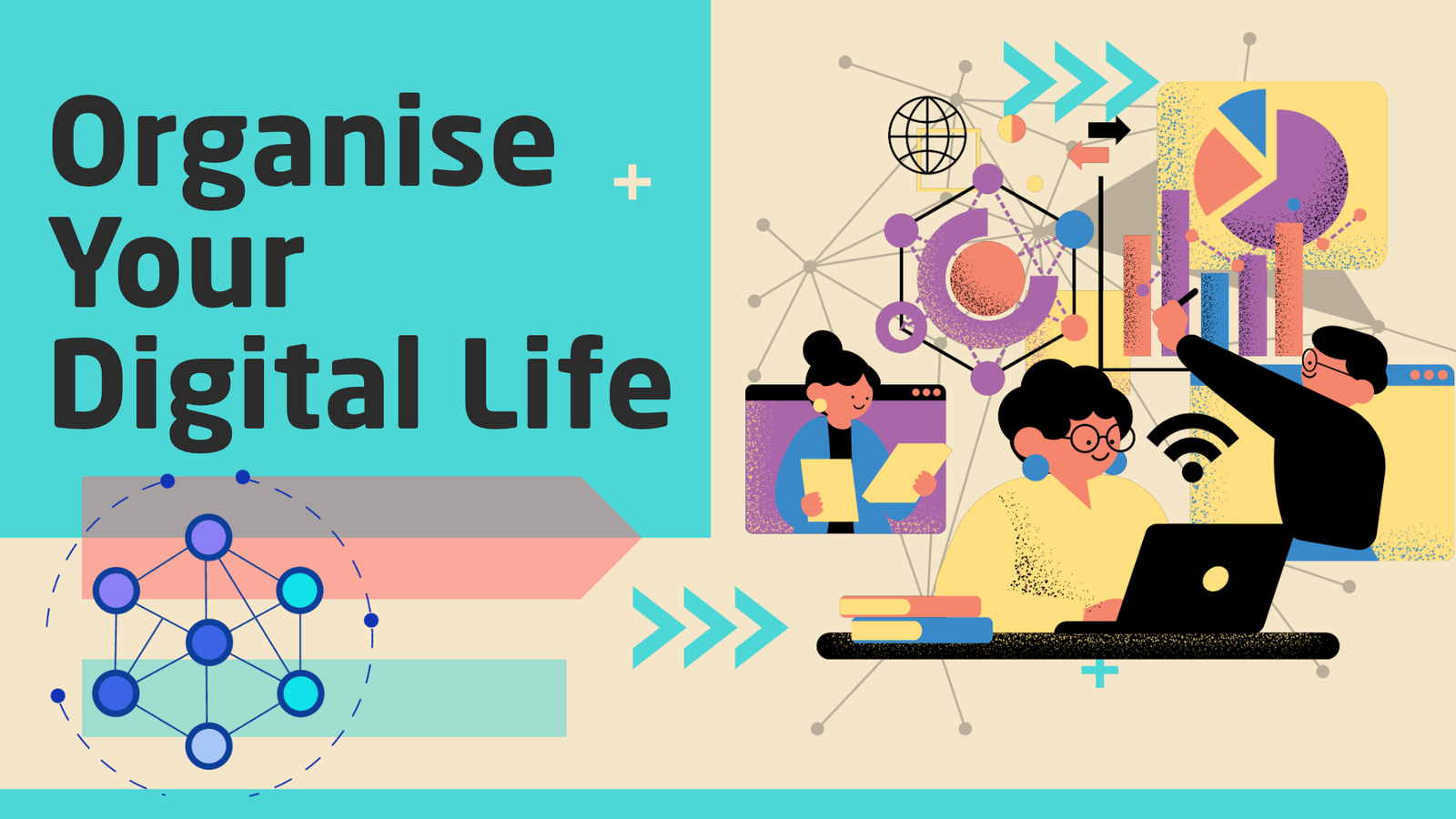
Distractions such as smartphones, social media and unnecessary notifications can make it difficult to concentrate on important activities. Creating a more organised working environment, keeping the phone away during focused tasks and limiting unnecessary screen time can help improve concentration.
Managing digital habits also allows people to use their time more effectively. Setting specific periods for checking messages, taking regular breaks and focusing on one task at a time can reduce interruptions and make daily responsibilities easier to complete.
Manage Time and Stay Consistent
Good time management and self-discipline are closely connected. Creating a simple task list, dividing larger responsibilities into smaller steps and prioritising important activities can help people manage their schedules. Starting difficult tasks early also reduces the habit of procrastination and prevents unnecessary pressure.
Motivation may change from day to day, but consistency helps people continue working towards their goals. Missing a planned activity or making a mistake does not mean that progress has ended. Returning to the routine, learning from setbacks and continuing with small efforts are important parts of developing self-discipline.
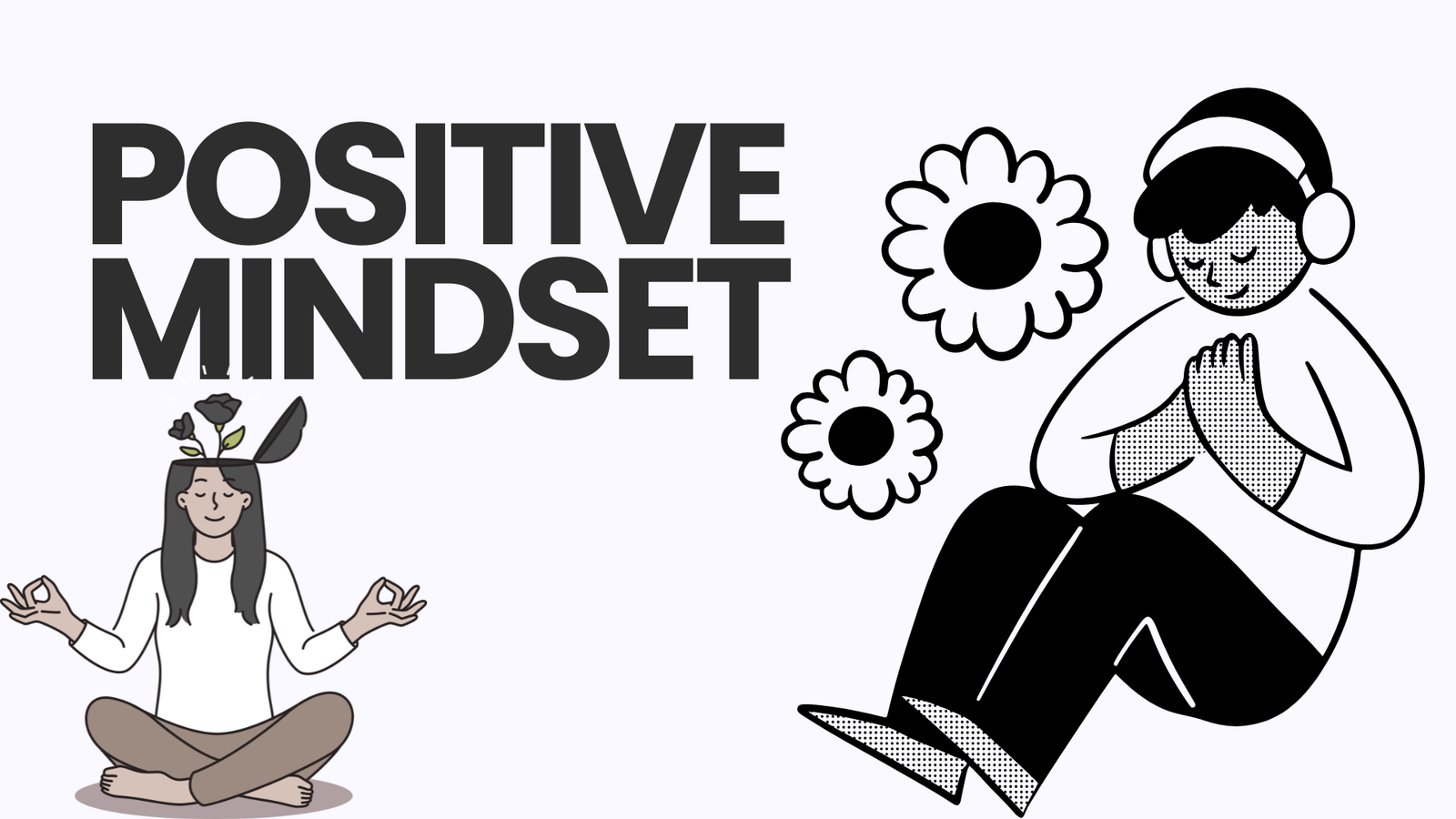
Develop a Positive Mindset
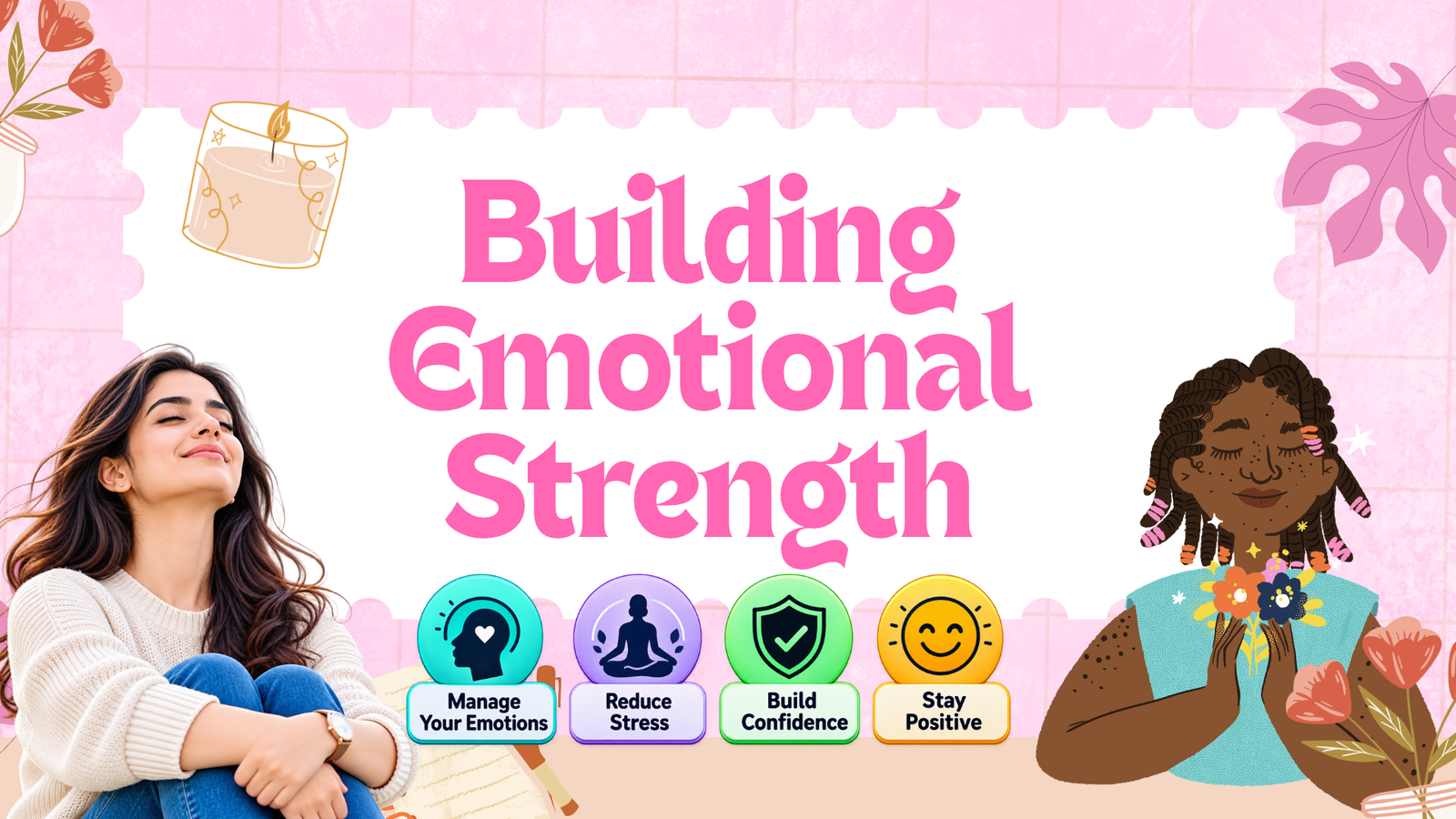
Self-discipline is not only about controlling behaviour but also about developing a positive attitude towards personal growth. Recognising small achievements, understanding personal limitations and treating mistakes as learning opportunities can encourage people to remain committed to their goals.
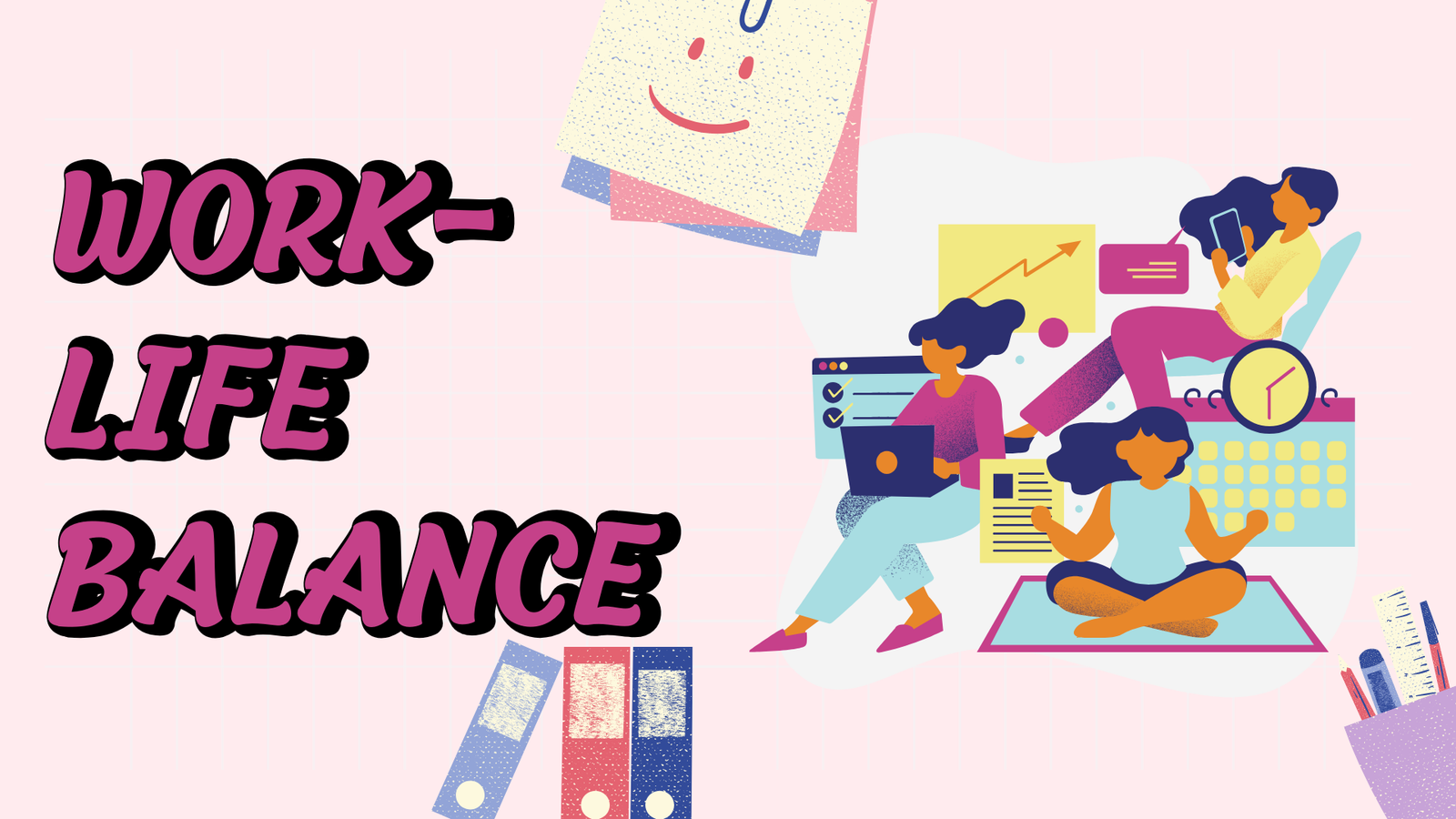
It is equally important to maintain a healthy balance between responsibilities and relaxation. Taking breaks, spending time with family and enjoying personal interests support overall well-being. Ultimately, self-discipline develops through simple everyday habits, consistent efforts and the willingness to make better choices over time.