UK Defence Spending: Burnham Says Budget Will Set Out a Path to NATO Target
UK defence spending is set to take center stage in Wednesday’s budget. Prime Minister Andy Burnham said on Monday that finance minister John Healey will present a plan to fully fund the government’s existing defence commitments, along with a pathway to meet Britain’s 2035 NATO pledge.
What Did Burnham Promise?
Burnham stressed that a funded plan is crucial, because it is the only way to actually deliver on promises. He said the government has been working hard on it and that more details will come on Wednesday.
Asked whether the plan would include lifting defence spending to 3% of GDP by 2030 and 3.5% by 2035, he answered that it would. He added that the government will set out what it believes is the right way to get there, and said simply: “We will meet our NATO commitments.”
Where Does Britain Stand Now?
At the moment, Britain spends around 2.6% of its GDP on defence. The government had previously said it would reach 3% during the next parliament, with an election due by mid-2029 at the latest.
Last year, NATO members agreed to spend 3.5% of GDP on core defence requirements by 2035, plus another 1.5% on wider defence and security measures.
What Does the Defence Industry Want?
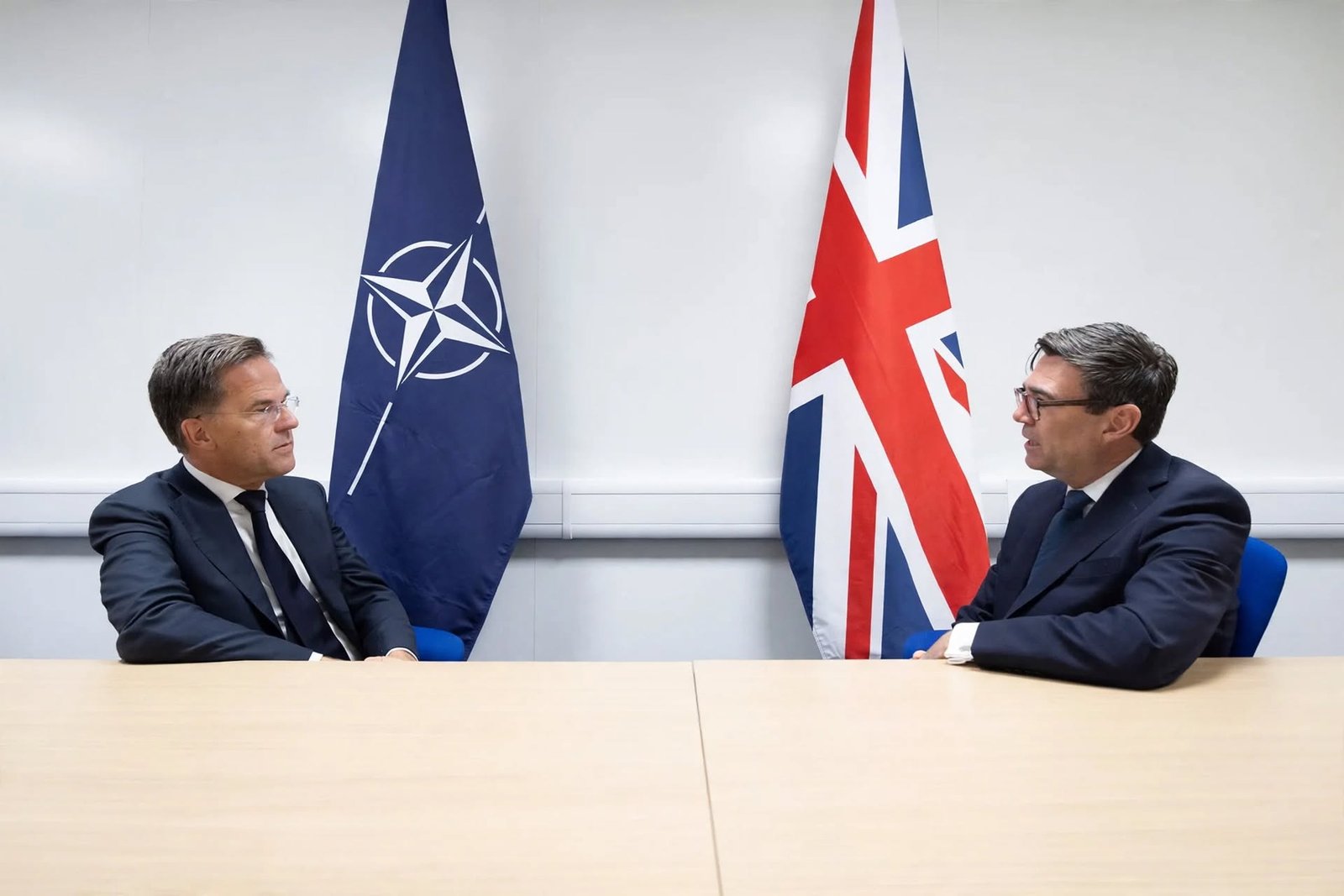
Healey is due to deliver his first budget on Wednesday, and defence companies are watching closely. They want reassurance that the government has a real plan to step up spending.
To keep credibility with allies and investors, the industry is asking for a steady, year-by-year rise in UK defence spending. What it does not want is for the increase to be pushed back to beyond 2030.
What Comes Next?
All eyes are now on Wednesday. If the budget backs up Burnham’s words with clear numbers and dates, it could calm nerves among allies and the defence sector. If the timeline slips, expect fresh questions about whether Britain can keep its promises on UK defence spending.